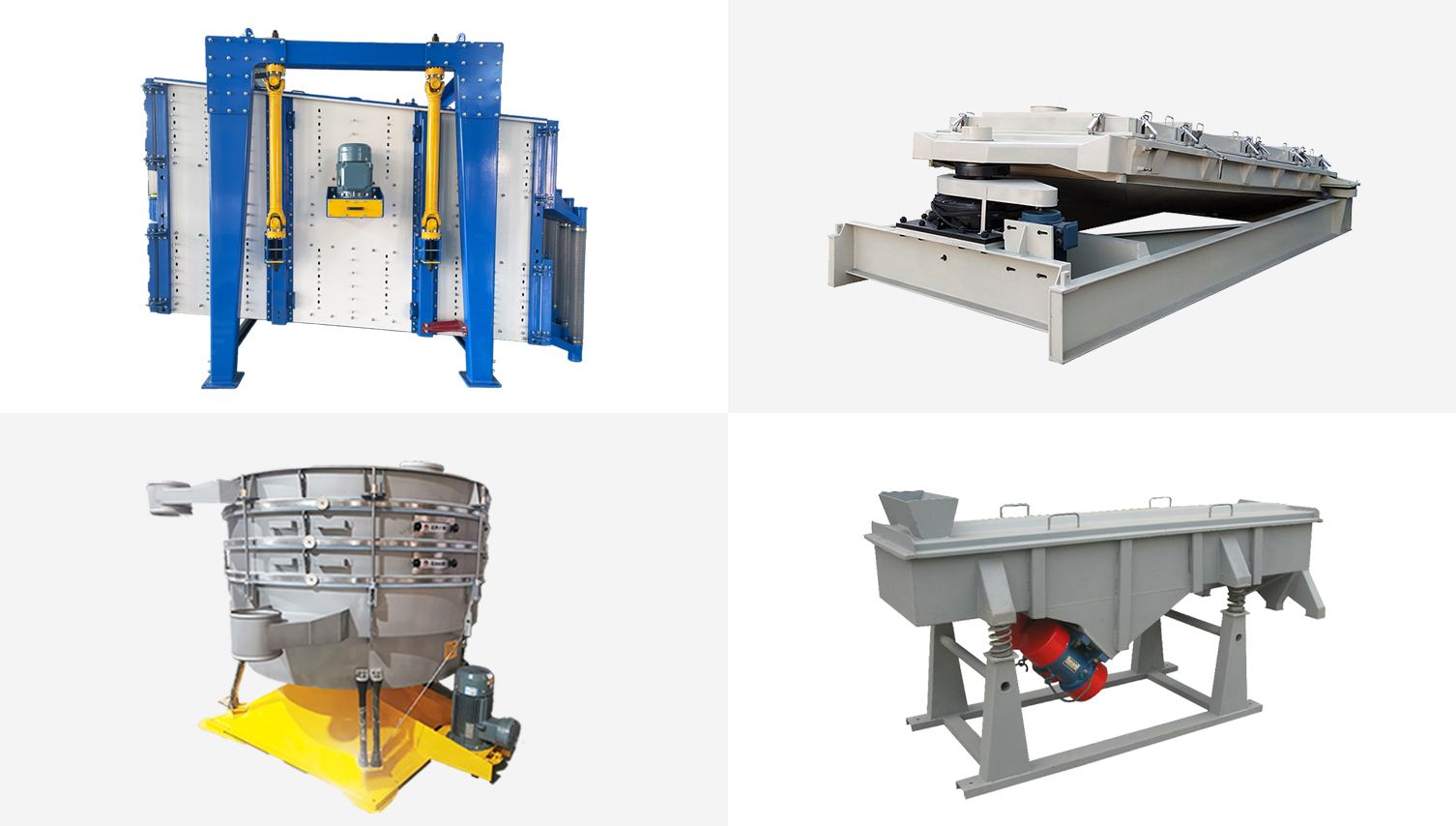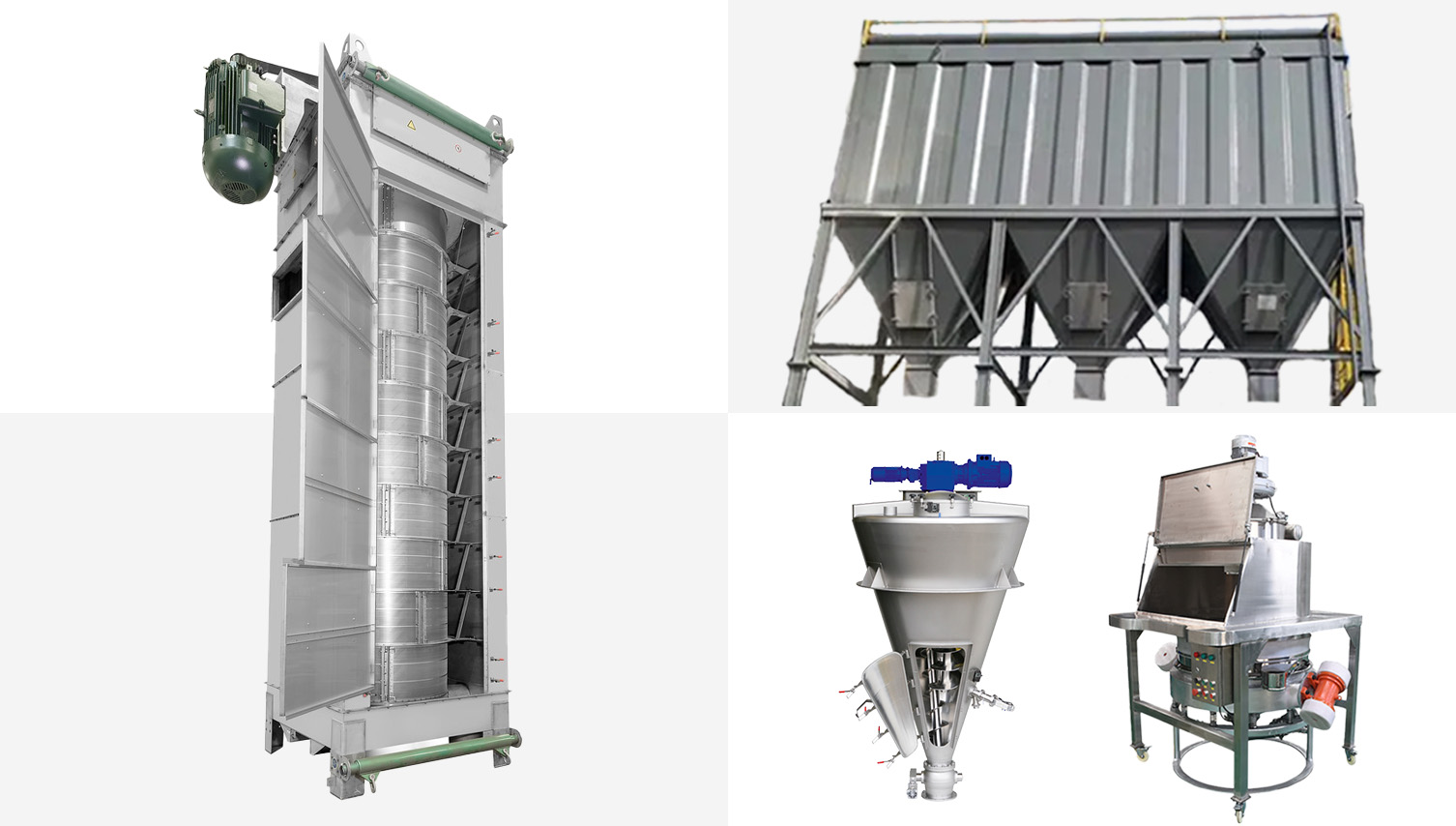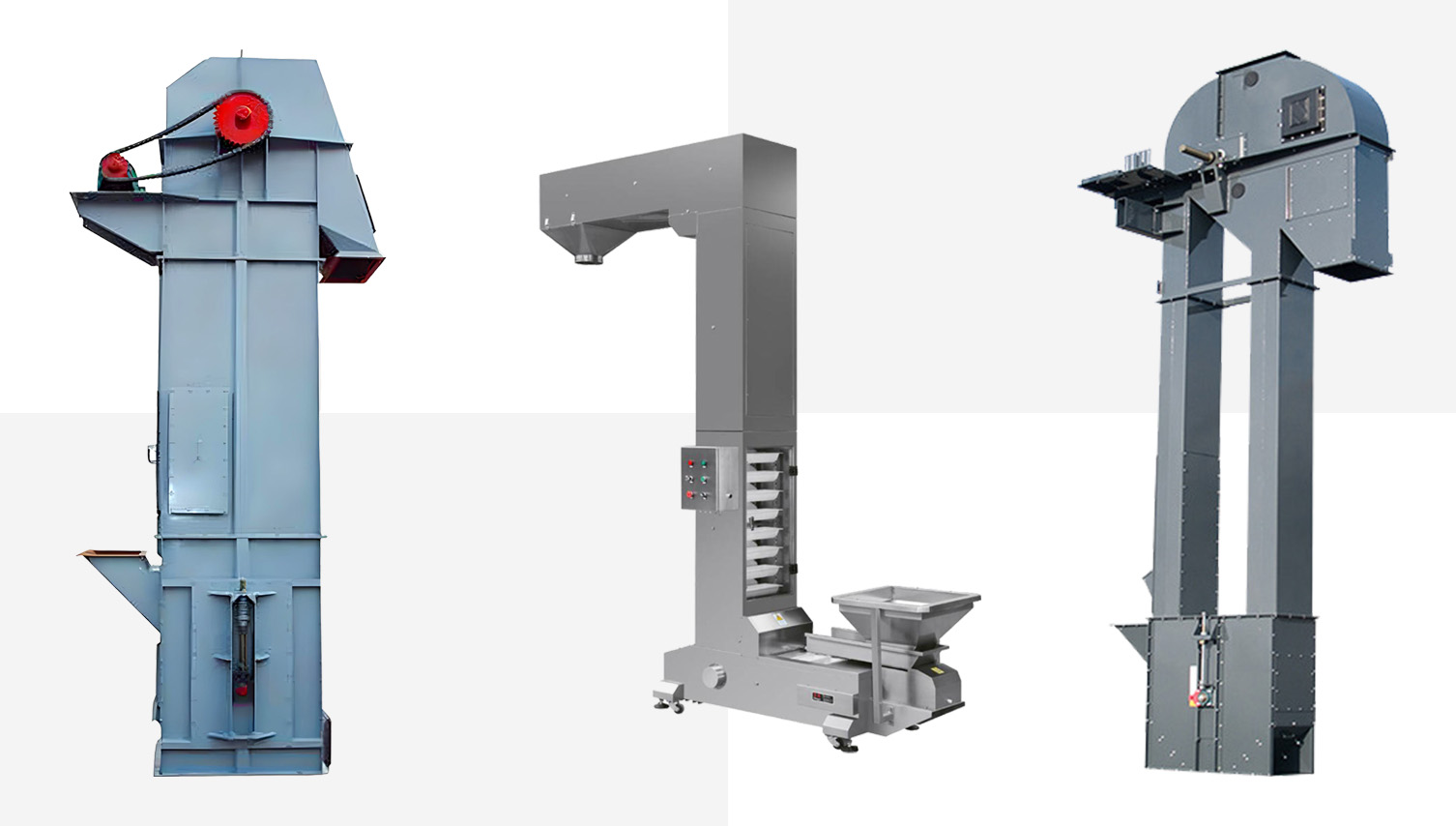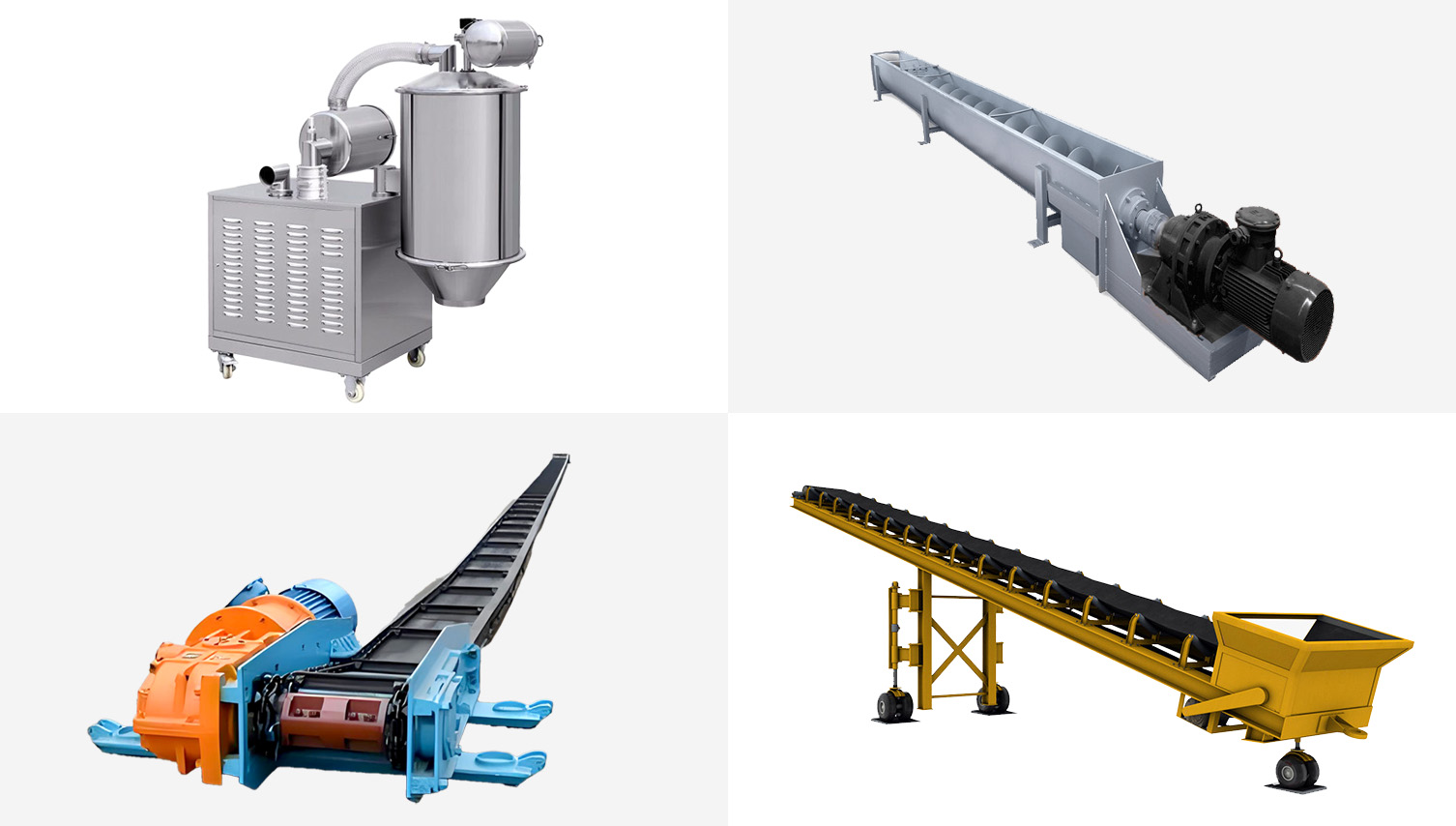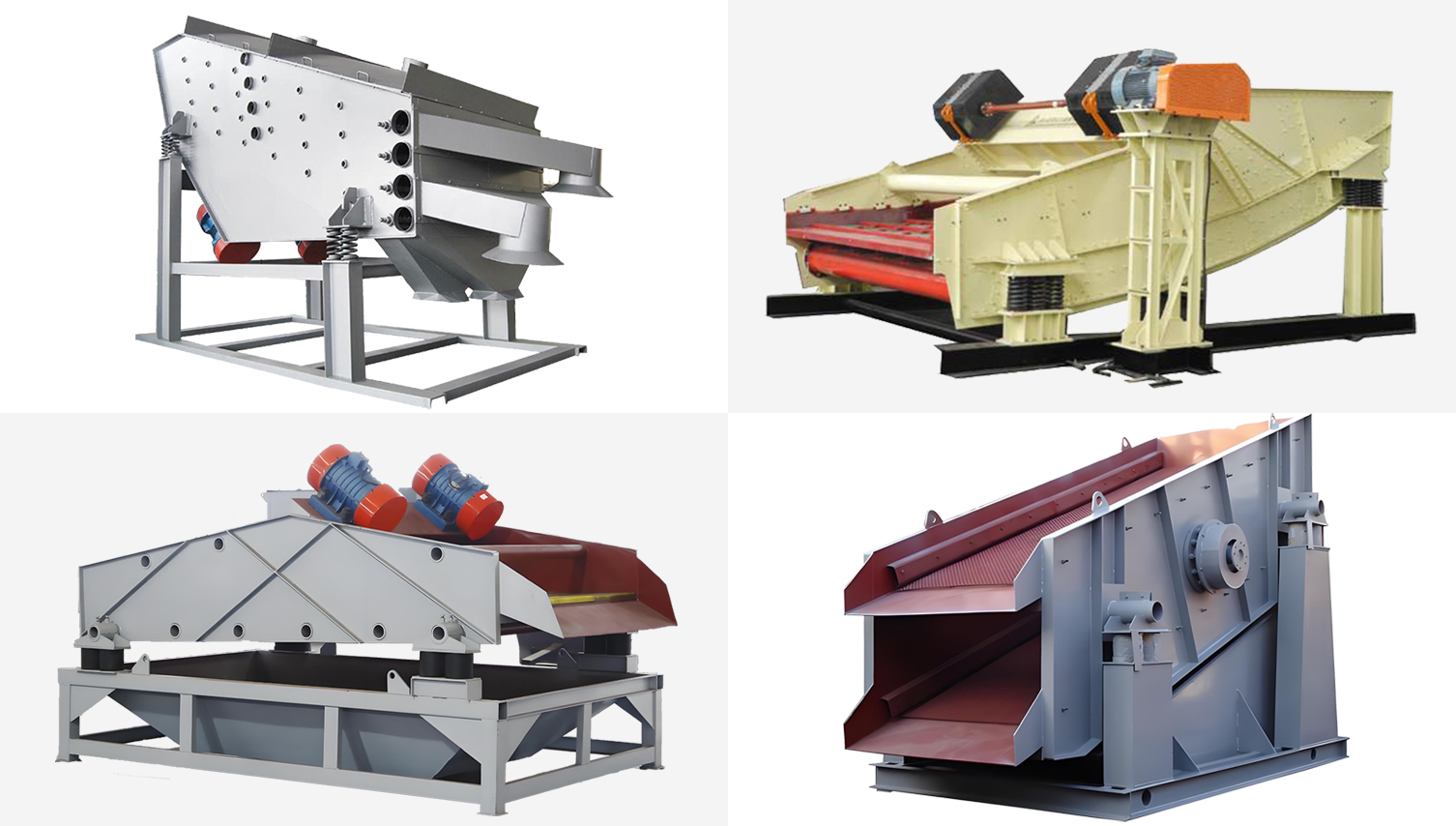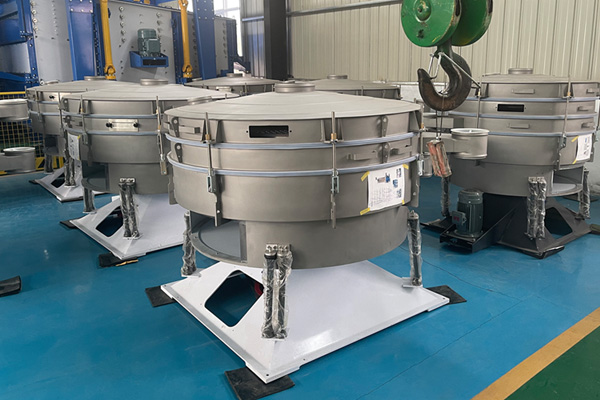
In the field of solid material grading, the circular vibrating screen, with its unique motion and superior screening efficiency, is an ideal device for screening fine, high-viscosity, and easily clogged materials. It mimics the gentle, circular oscillation trajectory of manual sieving, thus striking a balance between efficiency and protecting material integrity. Its multi-fold screening structure maximizes screening capacity.
Daily Operation and Maintenance Points:
1. Pre-start Inspection:
- Check all fastening bolts (especially the screen clamping device and motor base) for looseness.
- Check the screen for damage or tension.
- Remove any residual material from the screen surface and inside the equipment.
- Check that the vibrating motor rotates in the correct direction (both motors should rotate in opposite directions).
2. Monitoring During Operation:
- Observe whether the operating sound is smooth and free of abnormal noise.
- Observe whether the current is within the rated range.
- Check for material or powder leakage at the sealing points.
3. Regular Maintenance:
- Lubrication: Regularly (usually every 500-800 hours) apply the specified grade of grease to the bearings of the drive unit.
- Screen Replacement: The screen is a consumable part; replace it promptly if wear or damage is found. Ensure even tension during replacement.
- Cleaning: After each shutdown, especially when changing material types, thoroughly clean the inside of the equipment to prevent cross-contamination.
- Electrical Inspection: Regularly check the insulation of cables, connectors, and motors.
A high-performance circular gyratory screen is a guarantee of quality and efficiency. Through standardized operation and daily maintenance, you can ensure the equipment "works well and lasts a long time," thereby creating continuous and stable value for your enterprise.
Clearly separated particles, intelligent screening— Mirant Xinxiang Machinery.