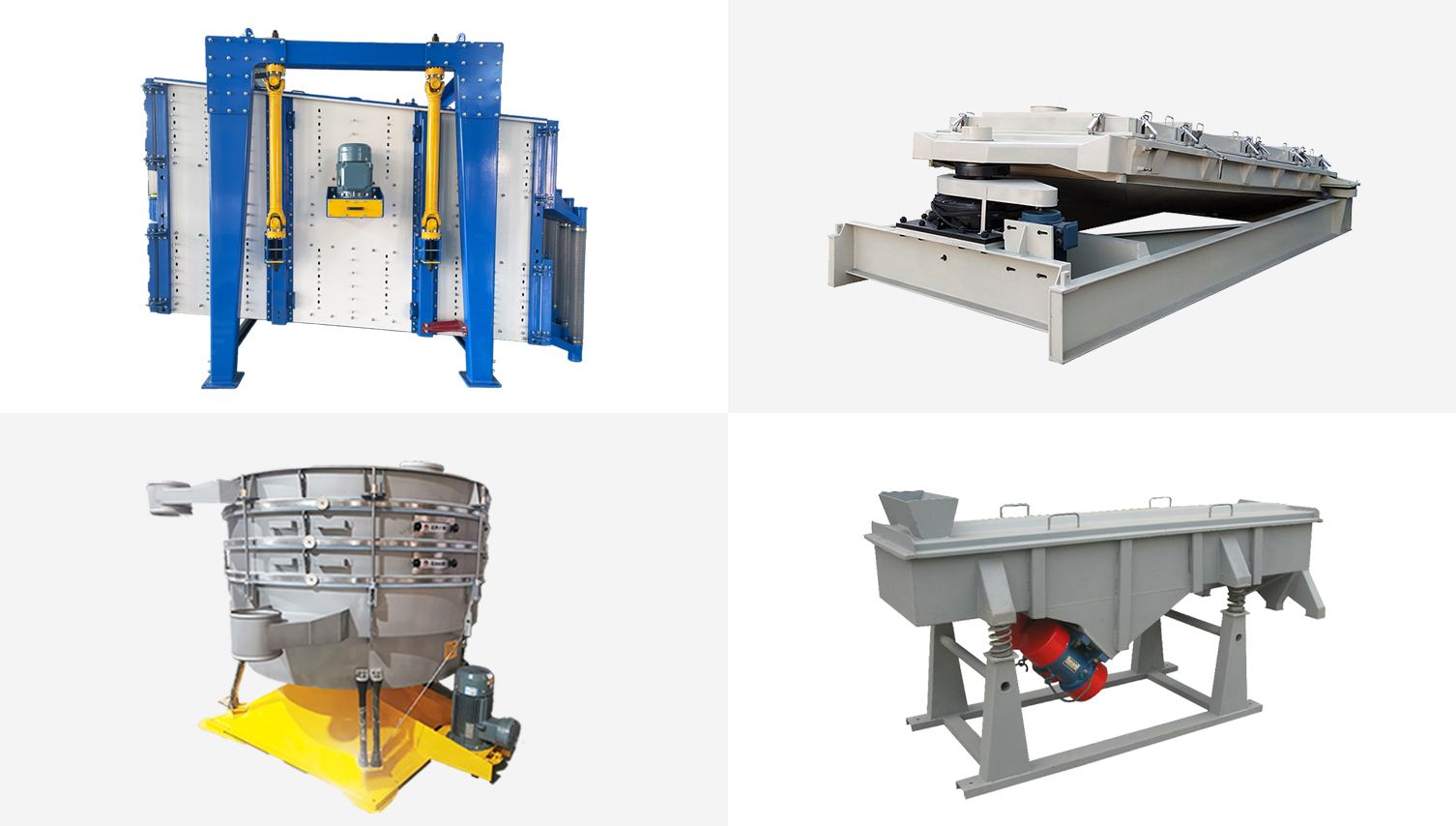
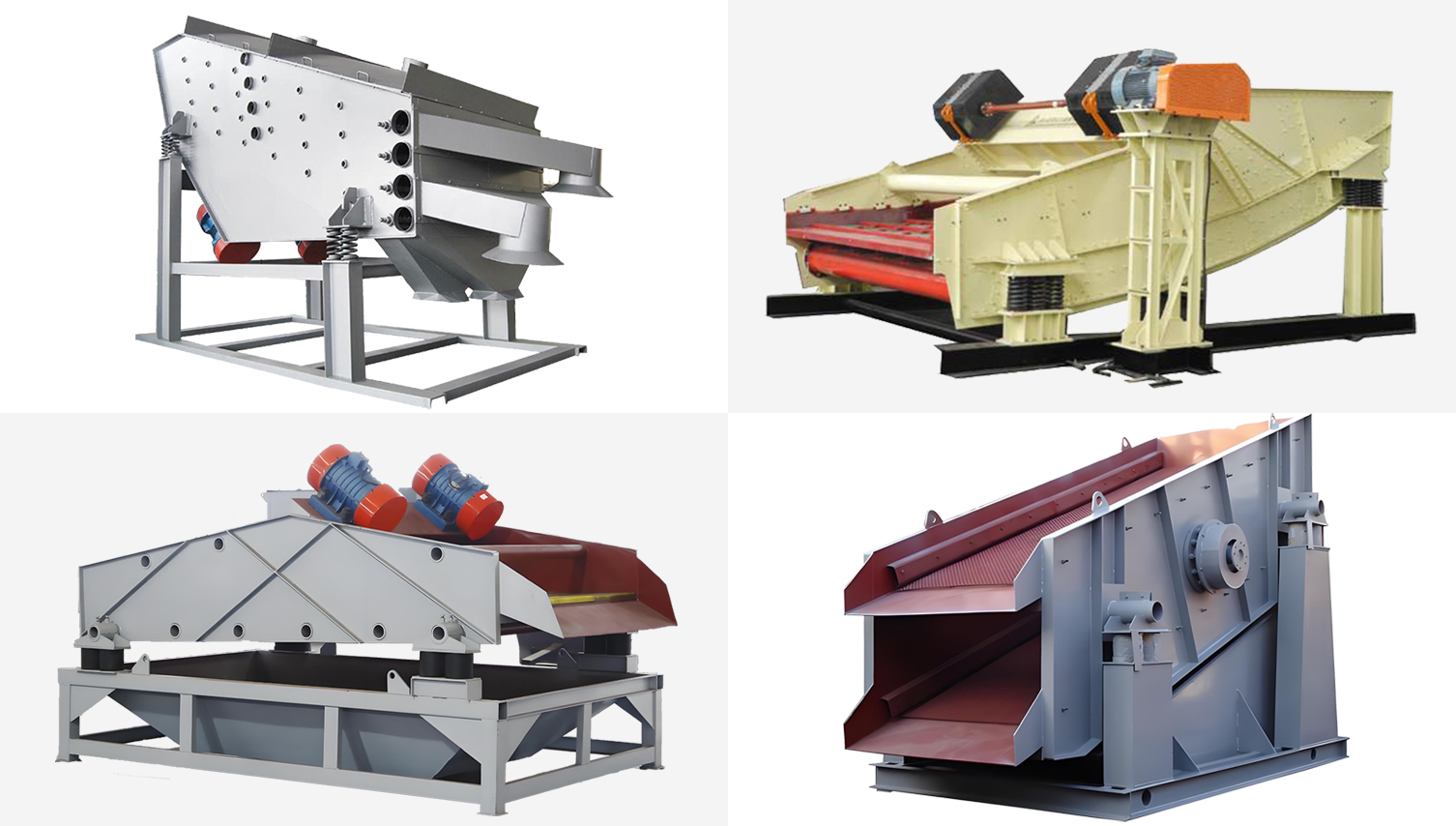
In the field of solid material grading, composite screens (also known as planar rotary screens) have become the preferred equipment for fine screening in many industries due to their unique and efficient movement. They effectively balance screening efficiency and material protection. Proper use and maintenance are key to maximizing the performance of composite screens. Today, we will outline key points from the user's perspective to help you achieve optimal equipment lifecycle management.
Standardized Operation: Ensuring Optimal Performance
1. No-Load Start and Stop: Always start and stop the equipment when there is no material on the screen surface to avoid overloading the motor and damaging the screen body.
2. Uniform Feeding: Ensure that material is fed evenly and continuously across the entire width of the screen surface using a feeder or a properly designed feed chute to avoid local accumulation and maximize screen utilization.
3. Screen Tension: Regularly check the screen tension. Loose screens will significantly reduce screening efficiency and lead to abnormal wear and damage.
4. Observe Operating Status: Pay attention to whether the equipment operates smoothly and quietly; observe whether the material's movement on the screen surface is uniform and smooth; check for loose fasteners.
System Maintenance: Extend equipment lifespan by establishing a regular maintenance plan.
1. Daily Inspection: Check the equipment's appearance for abnormal noise or vibration; check the tightness of foundation bolts.
2. Weekly/Monthly Inspection: Focus on checking the condition of the screen, looking for damage or severe wear; check the tension and wear of the drive unit (such as V-belts); clean the inside and outside of the equipment, especially around the seals where material has accumulated.
3. Regular Maintenance: Lubricate key rotating parts such as bearings and gearboxes regularly according to the instruction manual (pay attention to the type and amount of grease). Check the aging of rubber springs or vibration dampers.
4. Screen Replacement: When replacing the screen, ensure the new screen is flat and has uniform tension. Select the most suitable screen material and weaving method for different types of materials.
Common Troubleshooting Overview:
- Decreased Screening Efficiency: Possible causes include loose screen mesh, clogged screen holes, uneven or excessive feeding, belt slippage, and insufficient speed.
- Abnormal Noise: Check for worn or insufficiently lubricated bearings, loose fasteners, and collisions between the screen mesh or other components and stationary parts.
- Material Deviation: Check for horizontal installation, centered feeding, and consistent screen tension.
The composite screen is a precision process equipment. Proper operation ensures the equipment's performance, while regular maintenance is the key to its long-term, efficient, and stable operation. Investing necessary management effort will reward you with excellent production performance and lower total lifecycle costs.
Clearly Separated Particles, Intelligent Screening – Mirant Xinxiang Machinery