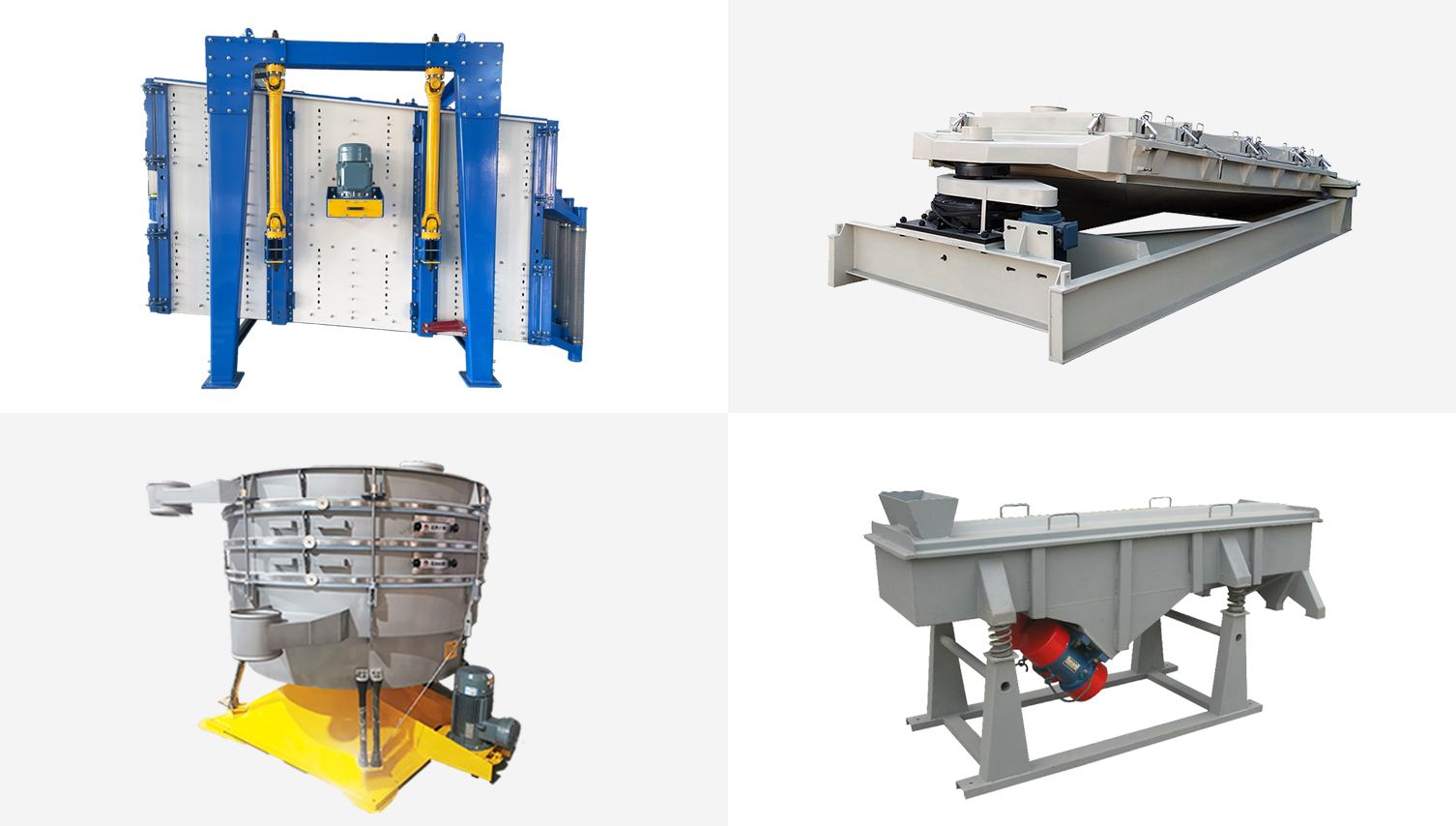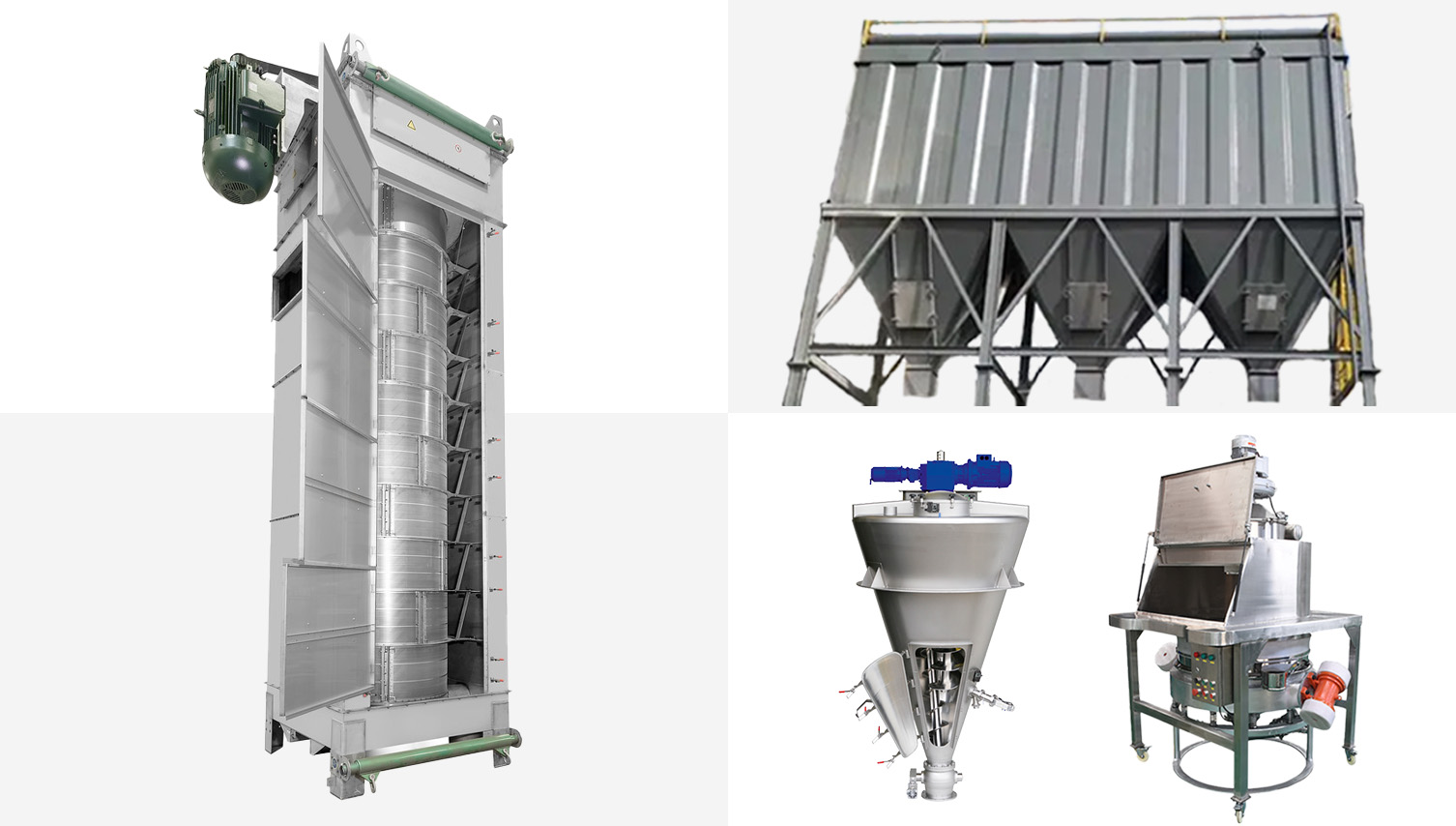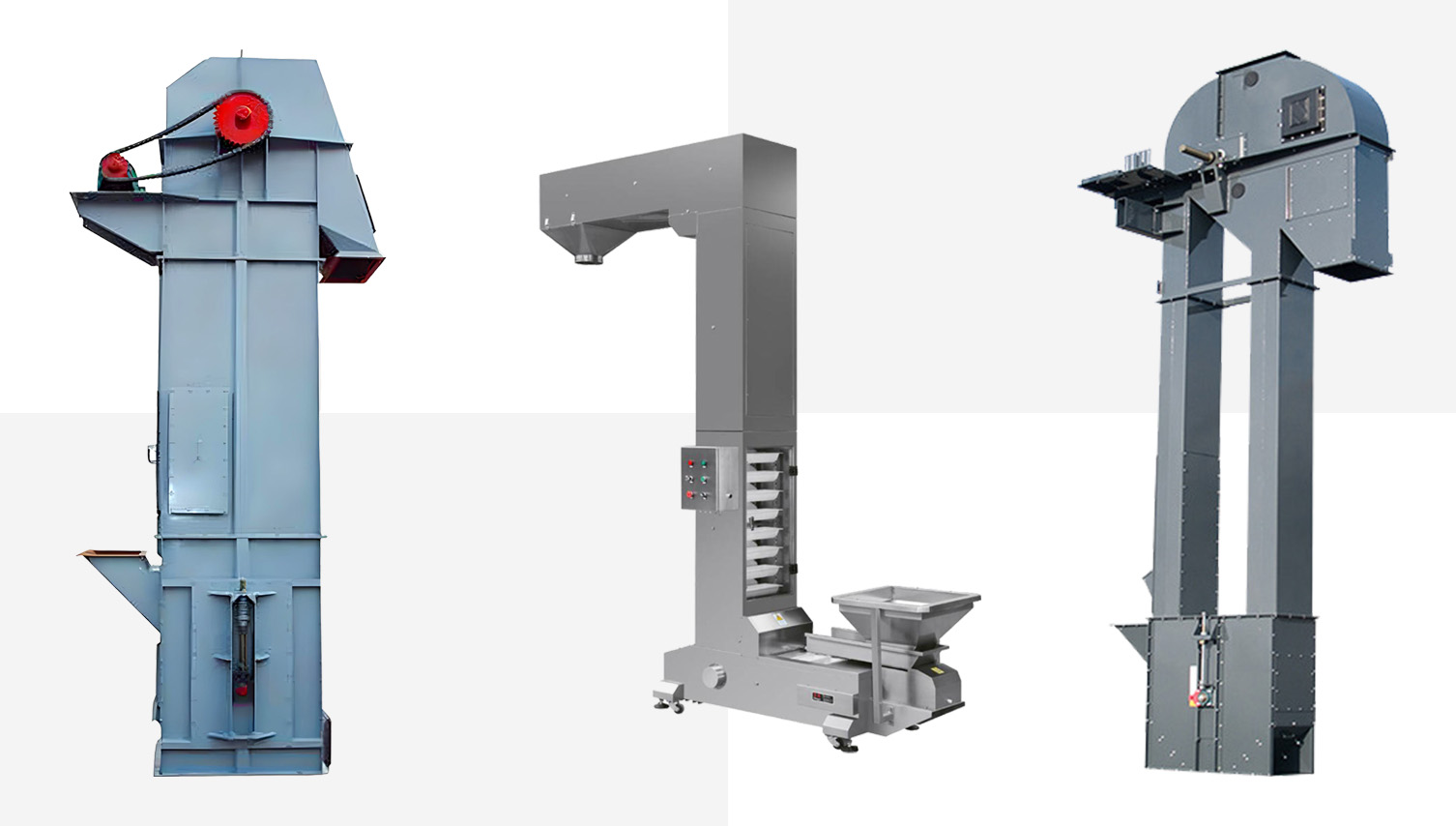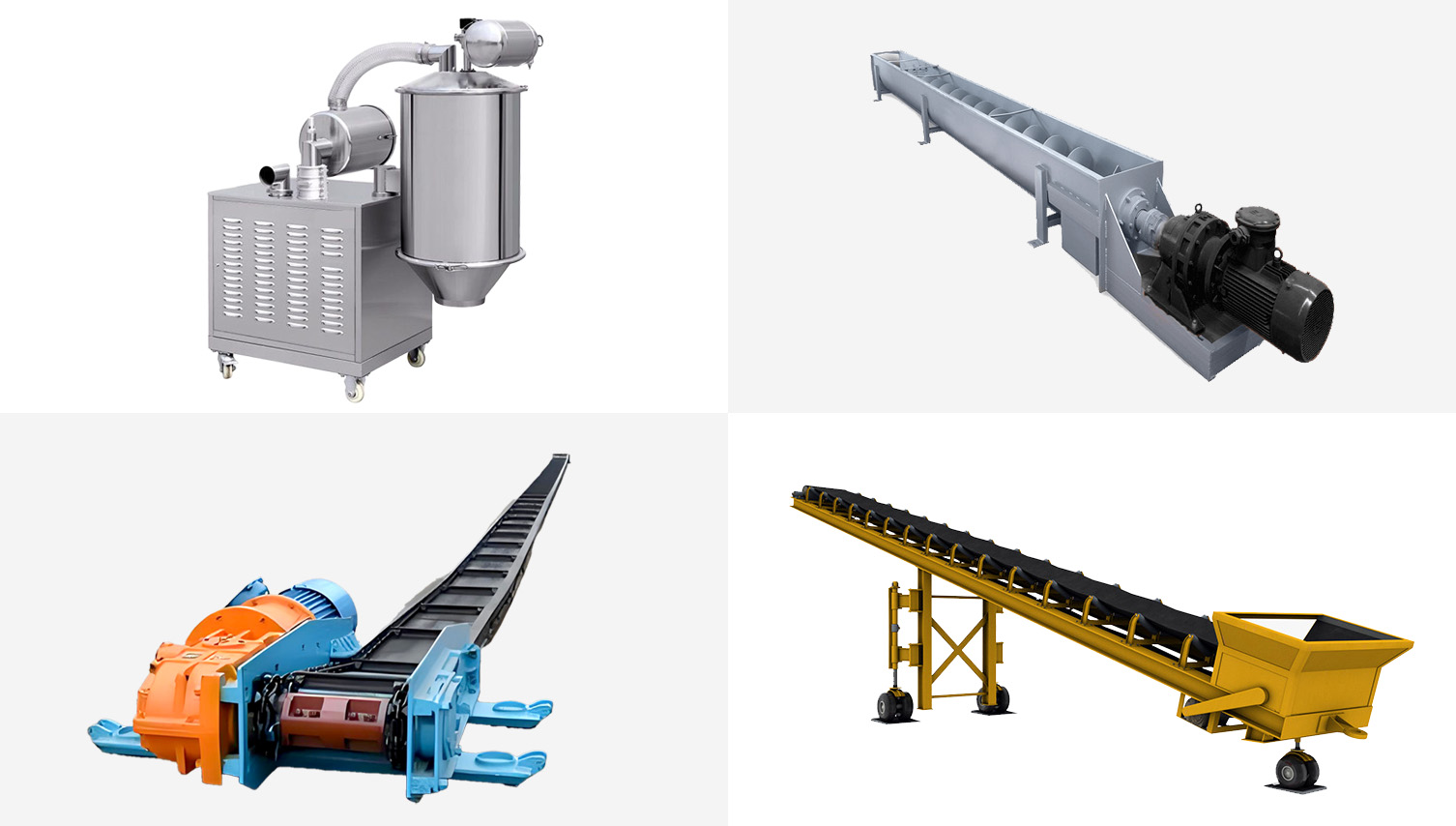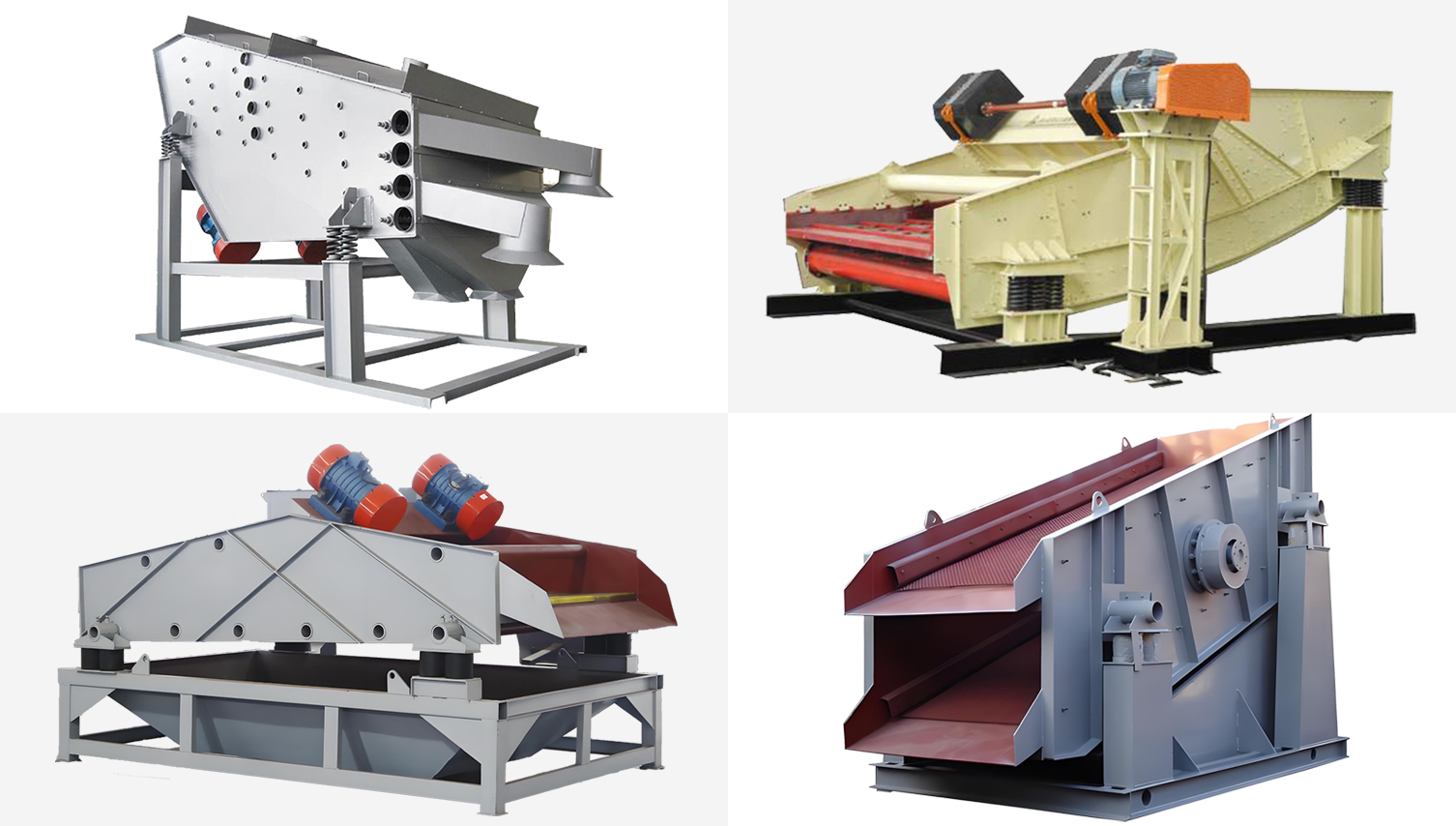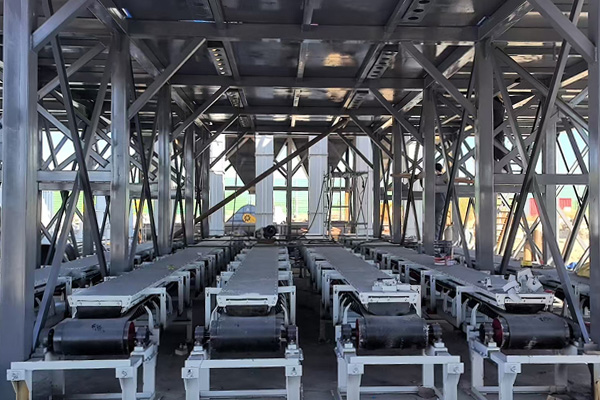
In industrial screening systems, while screening equipment is the "heart" responsible for grading, conveying equipment plays an indispensable role as the "arteries" and "skeleton." It is responsible for receiving, transferring, distributing, and collecting materials, connecting independent equipment units into a highly efficient, automated, continuous production system.
1. Key Connection Points in the System Flow
A typical screening system usually includes: feeding → pre-screening/impurity removal → main screening (multi-stage) → finished product discharge. Conveying equipment is involved throughout:
- Upstream Feeding: Belt conveyors, vibrating feeders, or bucket elevators smoothly and quantitatively transport raw materials from the silo or upstream process to the screening machine inlet. Uniform feeding is the primary condition for ensuring screening efficiency and preventing screen overload or accumulation.
- Intermediate Transfer: For multi-layer screens or tandem screening, screw conveyors, chutes, or small belt conveyors are responsible for accurately guiding the oversize or undersize material from the previous stage to the next processing stage.
- Downstream Finished Product Processing: After screening, finished products of different particle sizes are transported to their respective finished product yards, packaging machines, or the next process via multiple branch conveyor lines (commonly belt conveyors). This achieves strict product grading and separation.
2. Core Elements Ensuring Screening Efficiency and Stability
- Uniformity Control: Vibrating feeders can achieve highly precise feed rate control by adjusting amplitude and frequency, creating optimal workload for the screening equipment.
- Buffering and Storage: Hoppers and bin-type conveyors provide buffering between processes, balancing the impact of short equipment downtime or fluctuations in throughput, enhancing system robustness.
- Reduced Material Breakage: Selecting appropriate conveying methods (such as low-drop tubular belt conveyors or flexible screw conveyors) can minimize secondary breakage of fragile materials during transport, ensuring product particle size qualification rate.
3. Foundation of System Integration and Automation
Modern screening systems are evolving towards intelligence. Conveying equipment, as the carrier of material flow, is the optimal installation point for sensors (such as weighing scales, metal detectors, and moisture meters) to monitor parameters such as flow rate and composition in real time. Its start-up, shutdown, and speed are controlled by the central control system. It is the execution unit that realizes full-process automation and dynamically adjusts the logistics path according to the screening results.
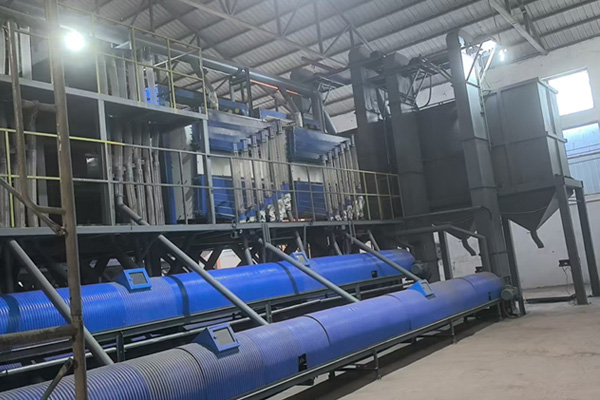
Conveying equipment is not merely an accessory to the screening system, but rather the cornerstone of its efficient operation. The rational design, selection, and layout of the conveying system to ensure that materials "arrive evenly, rotate smoothly, are clearly separated, and travel correctly" is a key project for maximizing the efficiency of the screening machine and improving the economic benefits of the entire production system.