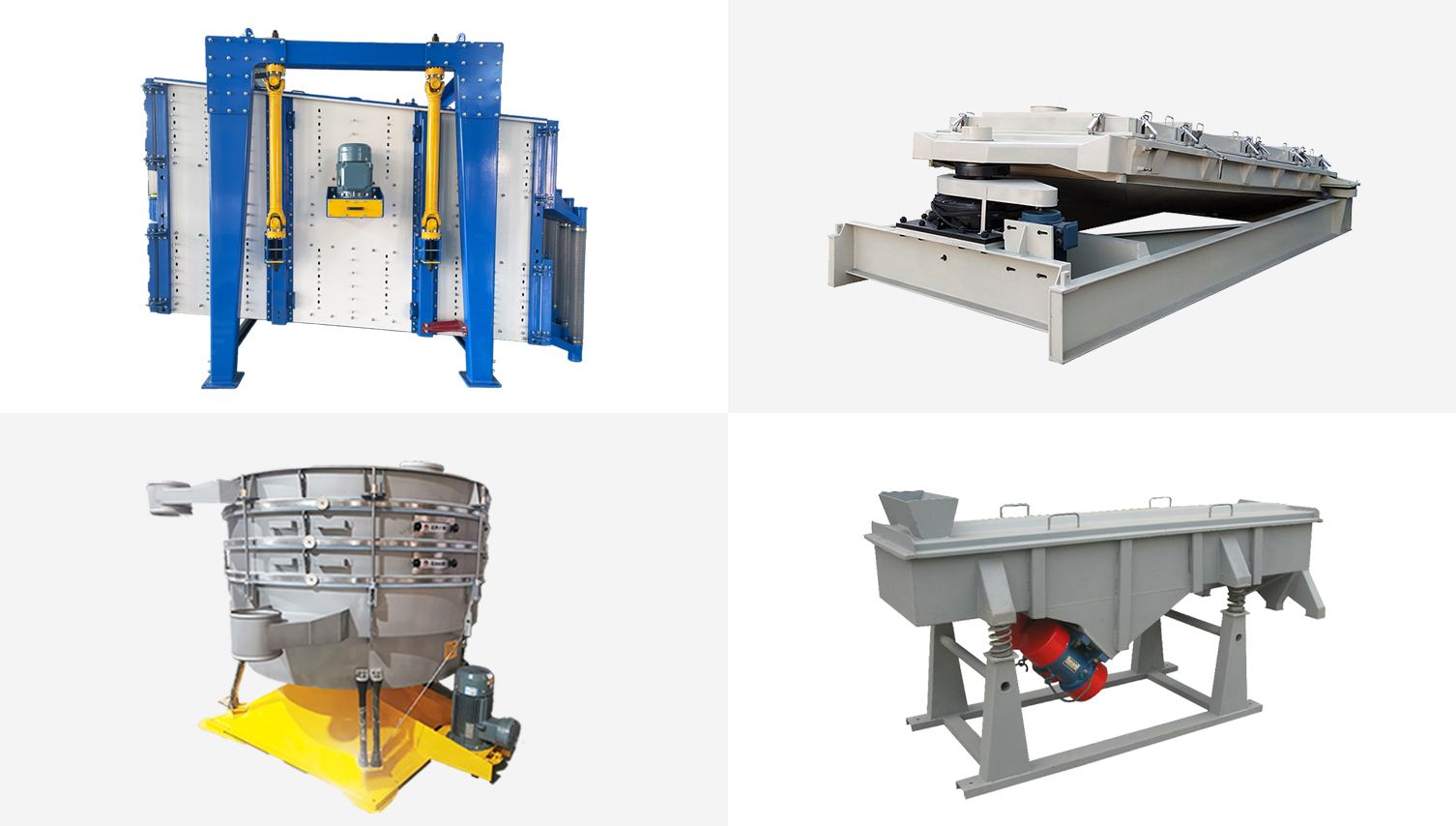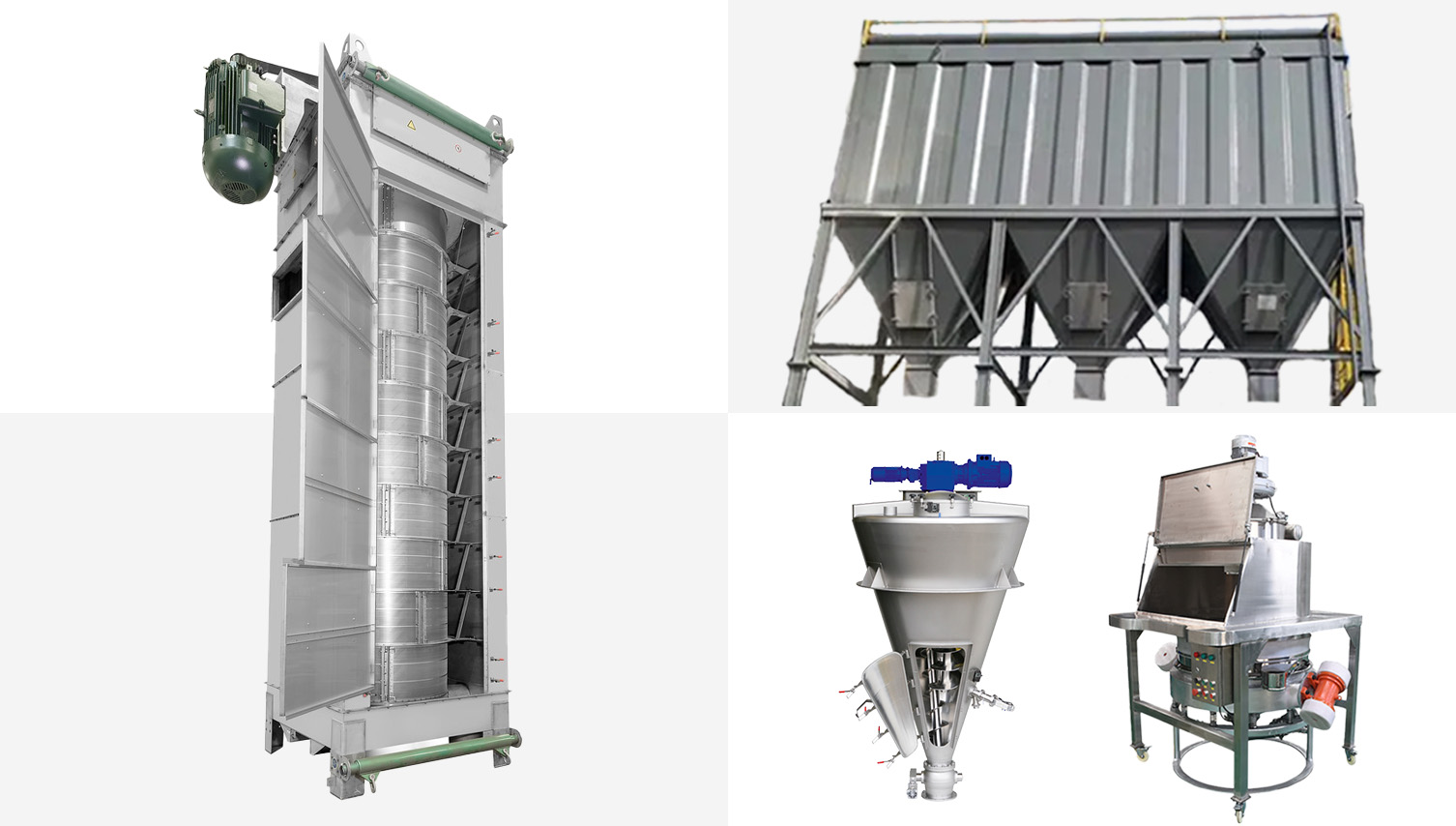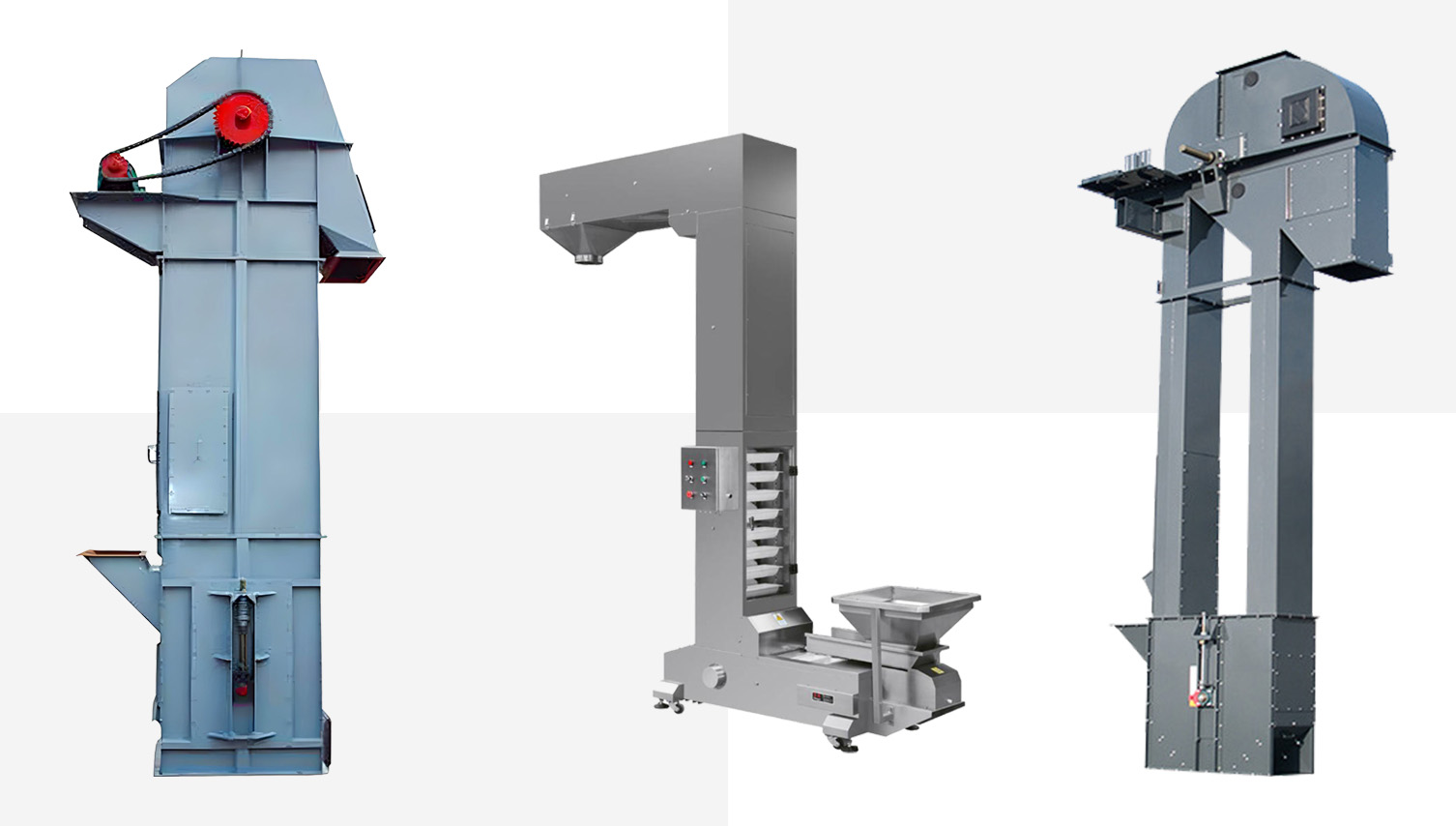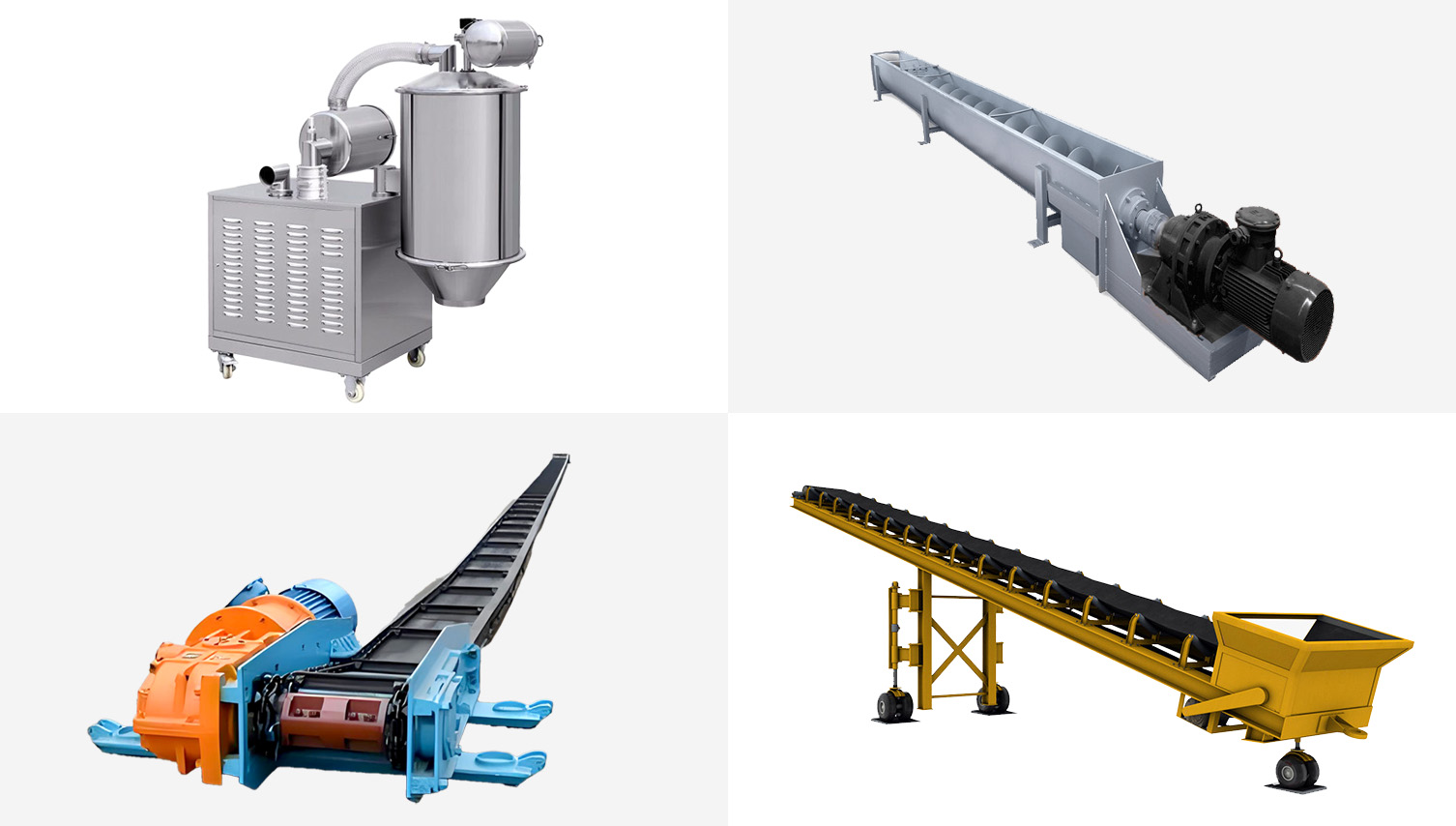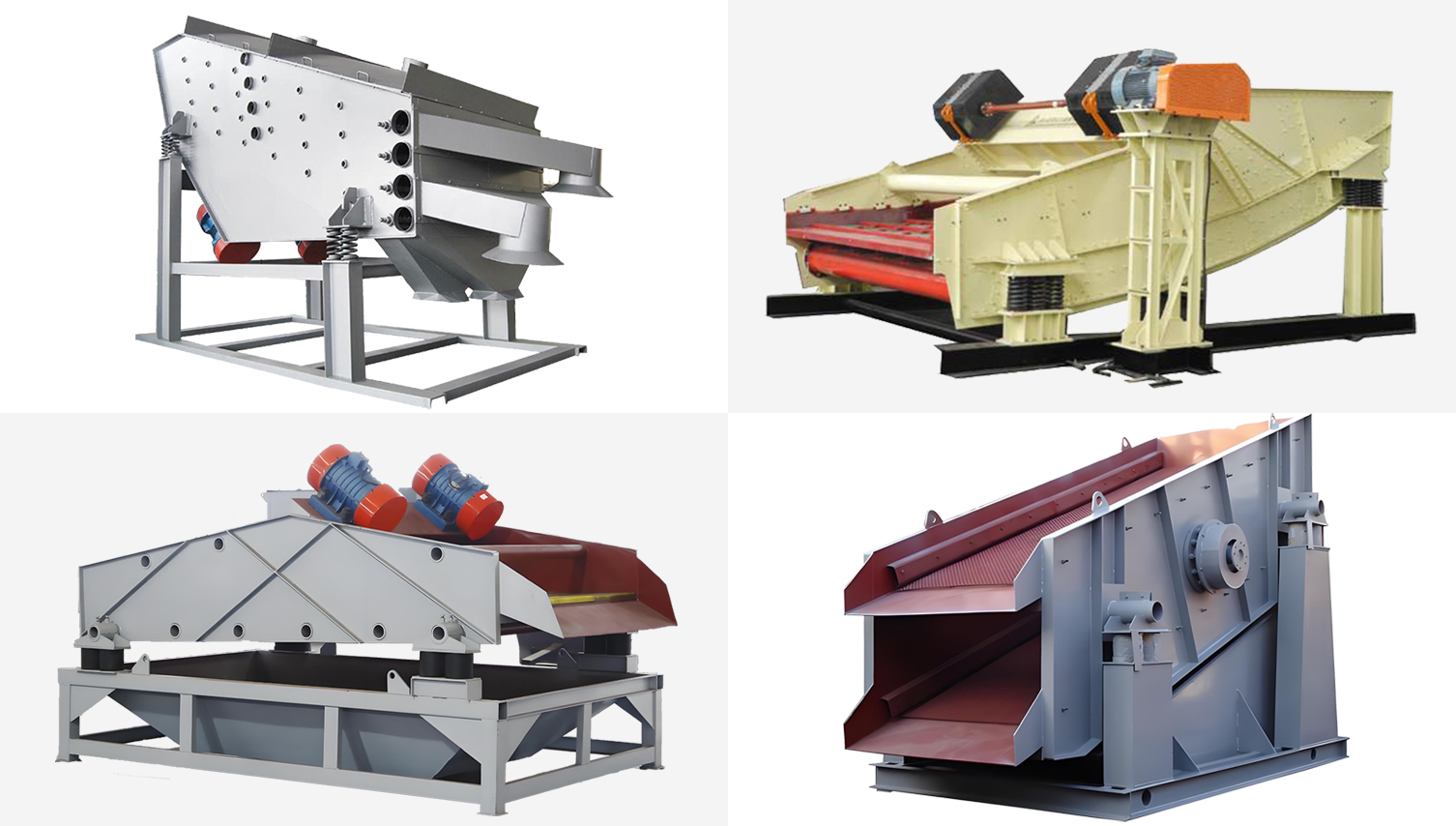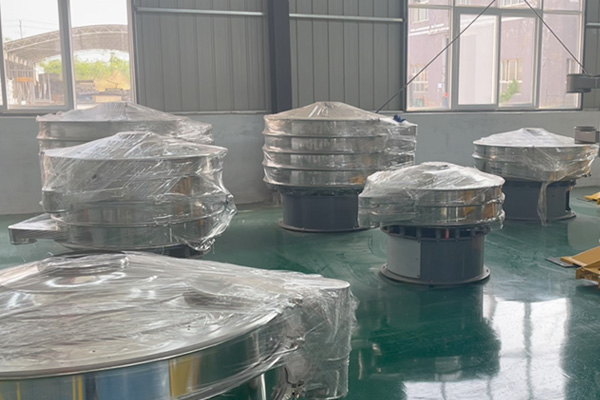
In the mature field of vibrating screens, the market offers a plethora of choices, with prices ranging from several thousand to hundreds of thousands of dollars. The more information available, the more difficult the decision becomes. Many buyers inadvertently fall into various "traps," spending a considerable amount of money only to find the purchased equipment becomes a "white elephant" in their workshop.
In fact, most purchasing mistakes can be avoided by adhering to the principle of "complete model range." A truly comprehensive and experienced supplier will use their product line and expertise to automatically filter out these incorrect options. Today, we'll review four common misconceptions about purchasing vibrating screens and teach you how to find the right direction by utilizing "complete model range."
Misconception 1: "The larger the diameter, the higher the output."
Many users assume that buying a large screen will solve the output problem. However, large-diameter screens require sufficient vibration force and a proper material distributor. If the wrong model is chosen, the large screen may not be able to spread the material properly, resulting in low utilization of the central area and ultimately lower output than a well-designed smaller screen.
- Correct Approach: Professional manufacturers will accurately calculate the most suitable diameter and feeding method based on your material's bulk density and flowability using a comprehensive model database. They may even offer double-layer or triple-layer screening solutions to increase throughput per unit area.
Misconception 2: "More layers, more cost-effective"
A three-layer screening machine can produce four specifications, seemingly offering multiple uses and saving money. However, if your upper screen has a very fine mesh, the material will quickly become clogged, preventing the lower screen from absorbing any material, rendering the grading effect ineffective.
- Correct Approach: Suppliers with a full range of models will suggest: "Given your material conditions, we recommend using a two-layer screen for rough grading and protection first, followed by a single-layer high-precision screening machine for final grading." While this combined approach involves an extra piece of equipment, it ensures precision and efficiency at every step, making it more cost-effective in the long run.
Misconception 3: "Stainless steel is always better"
In environments with low corrosiveness and no hygiene requirements, an all-stainless steel configuration is a waste of money. Furthermore, stainless steel's strength is inferior to carbon steel in larger sizes. Conversely, in the food and pharmaceutical industries, even if stainless steel is used for the parts in contact with materials, it can easily rust and pollute the environment if the exterior components are not.
-The Correct Approach: We offer various material combinations, such as "304 stainless steel for material contact, the rest carbon steel," "all 304 stainless steel," and "all 316L stainless steel." Based on your budget and industry standards, we provide the most economical and compliant solution.
Misconception 4: "The cheaper the better"
This is the most fatal misconception. A low price often means "cutting corners" on core components like the motor, seals, and screen. After purchase, you'll either experience severe screen clogging, frequent motor burnouts, or powder/slurry leakage, resulting in a higher overall operating cost (repair, downtime, scrap).
-The Correct Approach: The value of a "complete model range" lies in having a cost-effective model perfectly suited to your needs. It may not be the cheapest, but it's definitely the optimal solution based on your requirements. We provide solutions with the "lowest total life-cycle cost," not just a simple price quote.
Choosing a vibrating screen is essentially choosing a knowledgeable "screening consultant." A supplier with a complete range of models is your best advisor. They can help you avoid all cognitive pitfalls, understand your unspoken, deeper needs, and pave a smooth path to efficient screening, cost reduction, and increased efficiency with their extensive product line. Stop groping your way forward; let our professional knowledge and comprehensive model range guide you directly to success. Inquire now to receive a customized "Vibrating Screening and Pitfall Avoidance Guide."
Clearly Separating Particles, Intelligent Screening – Mirant Xinxiang Machinery Equipment Co., Ltd.