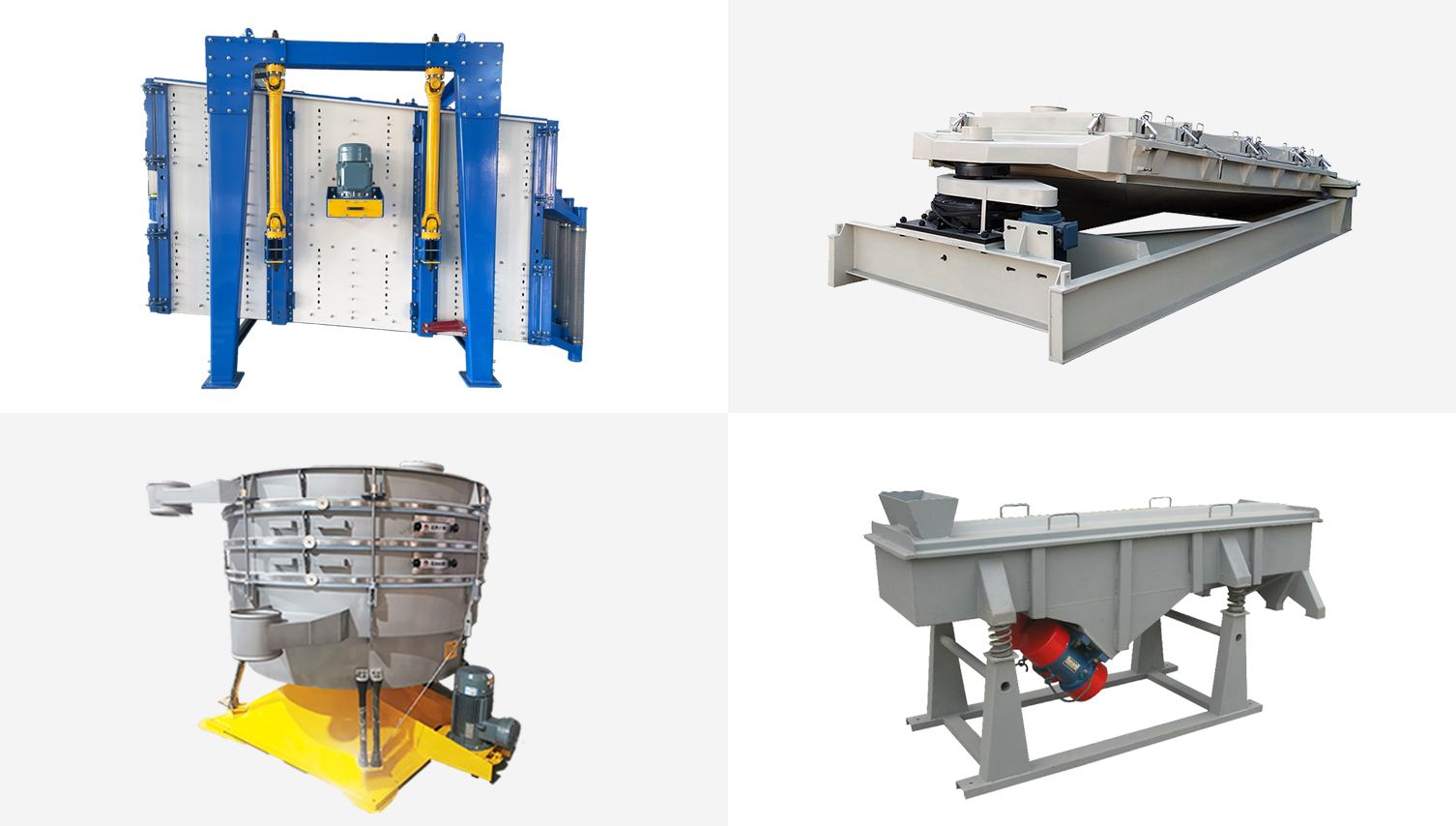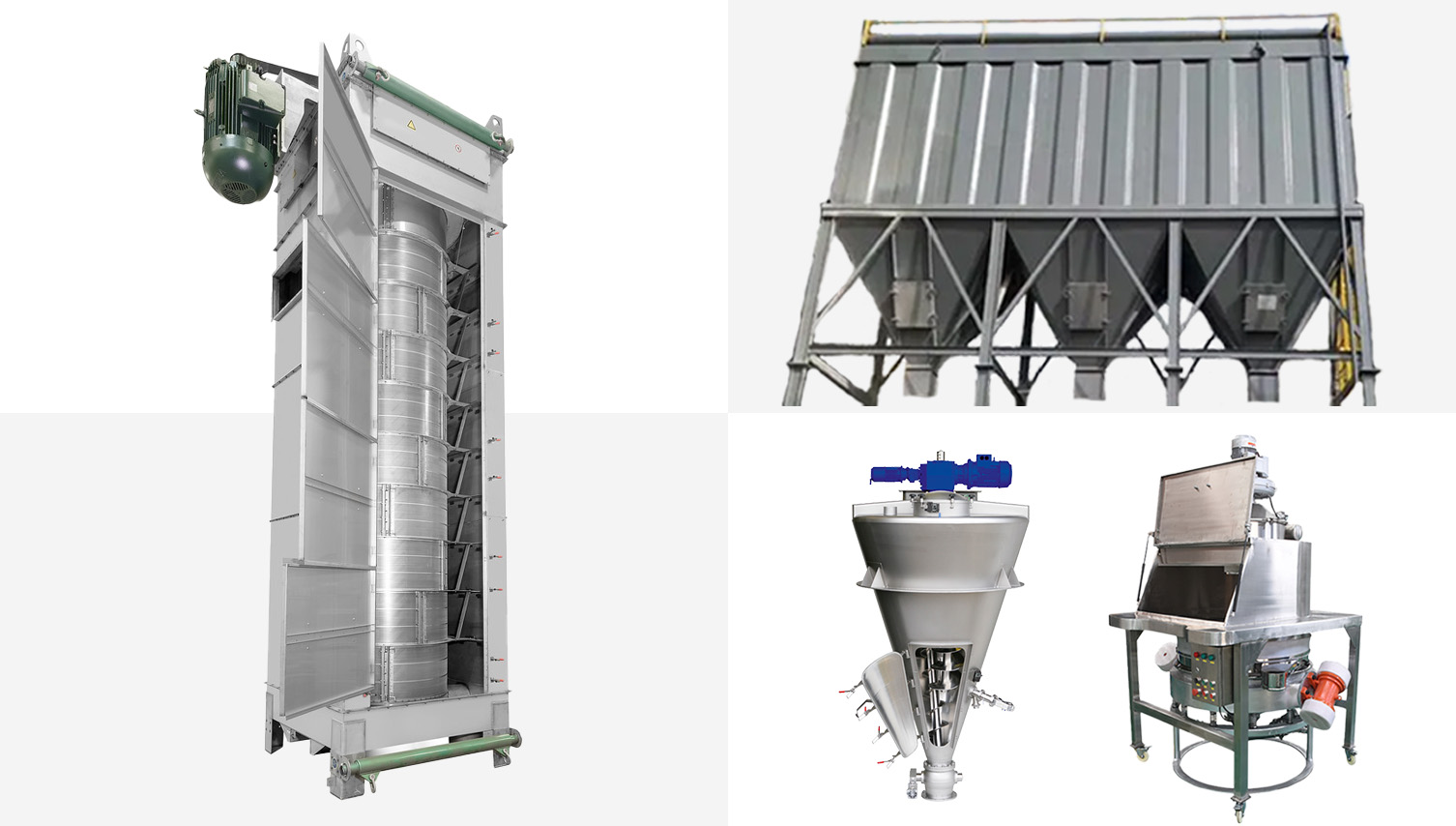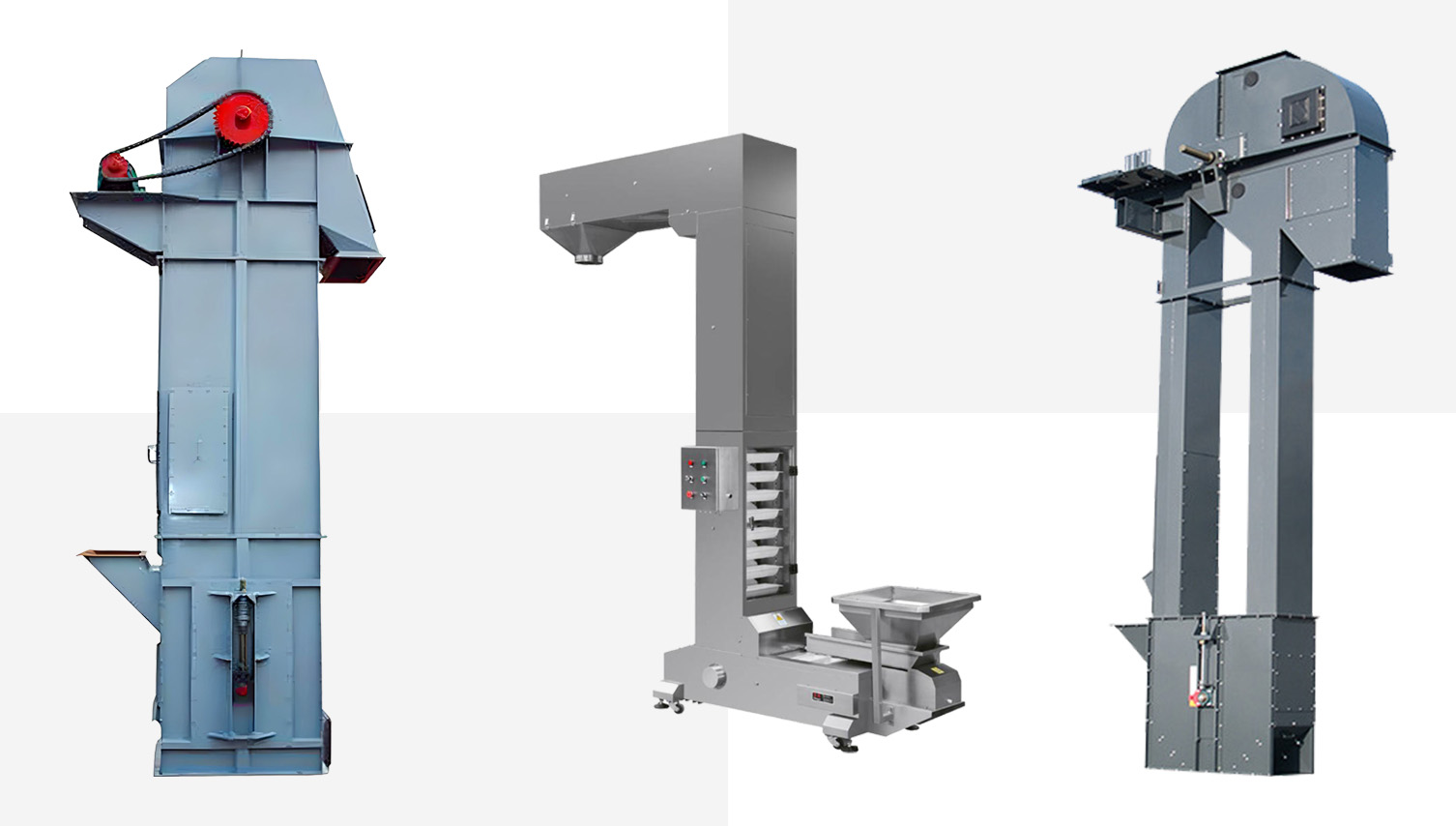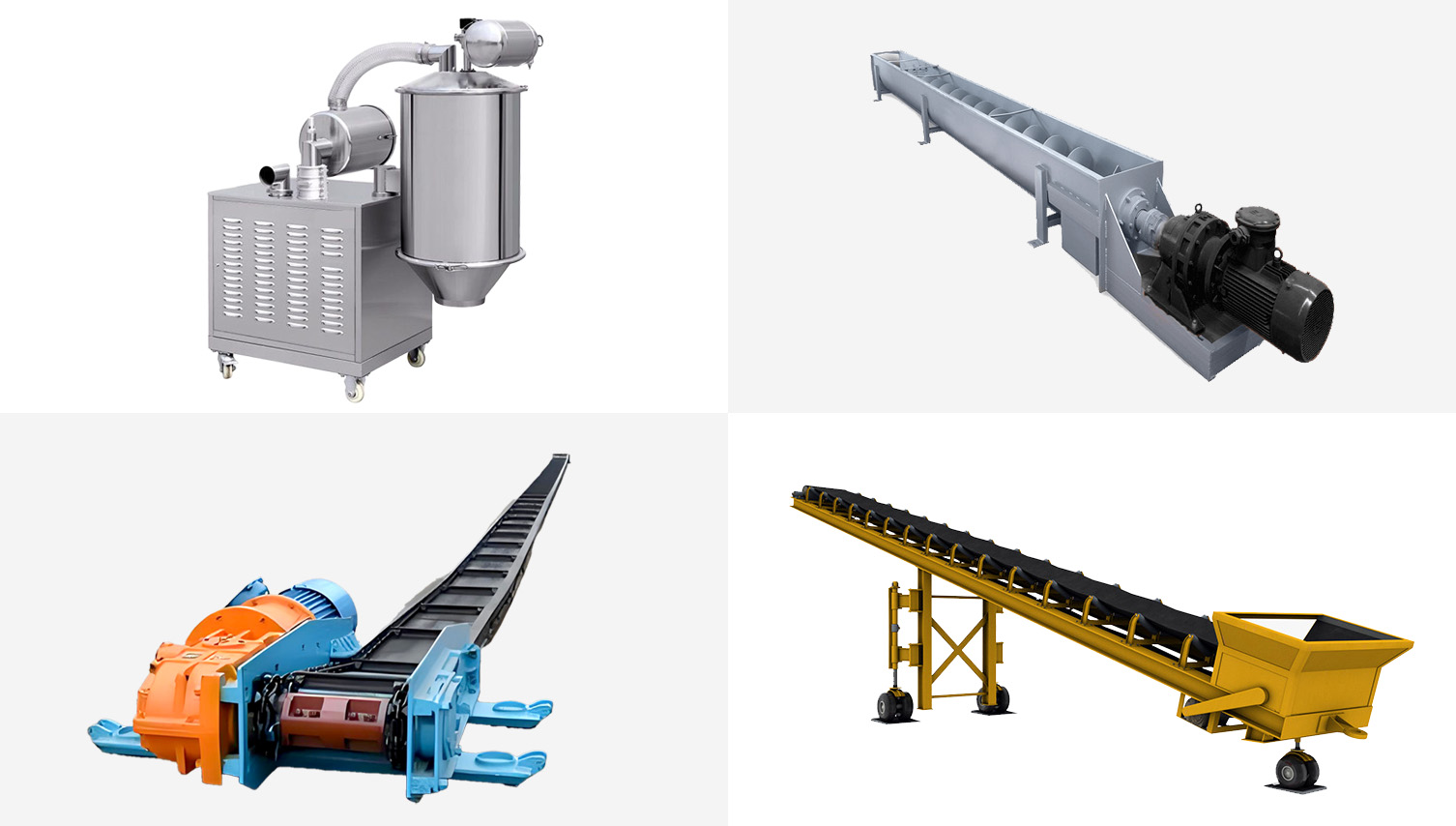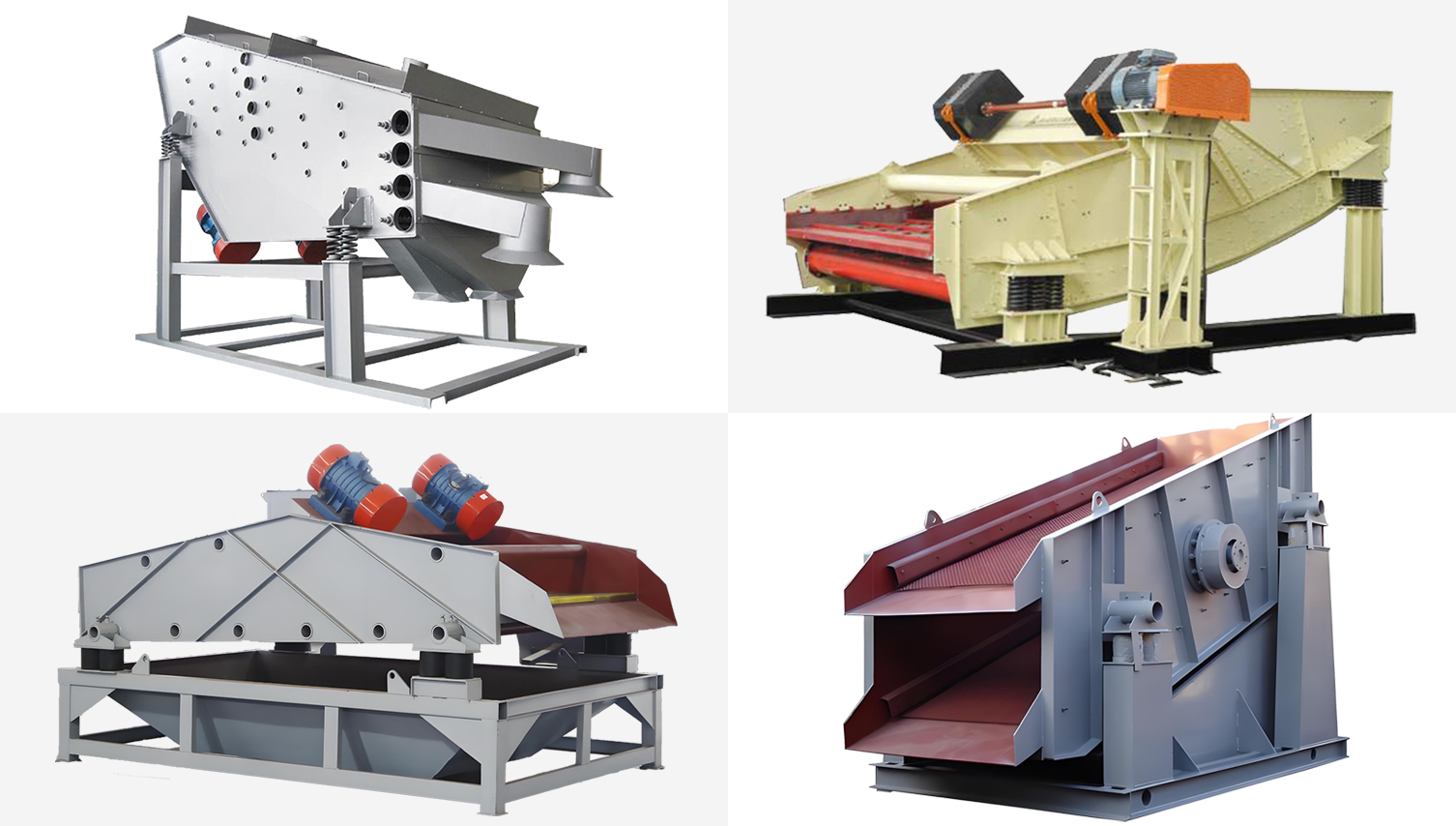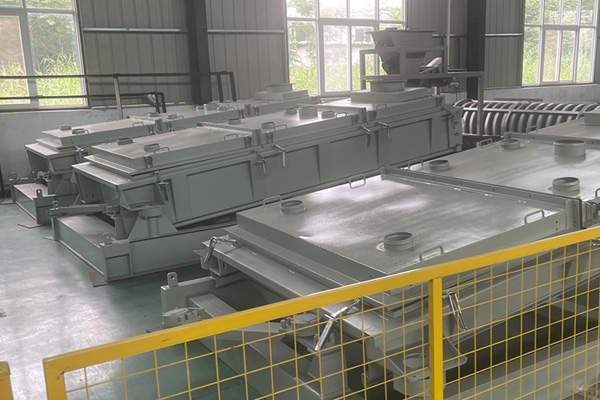
The ultimate goal for enterprises building and upgrading screening production lines is to reduce costs, improve quality, increase efficiency, and stabilize production. Many enterprises, when selecting equipment, only focus on the purchase cost, neglecting hidden expenses such as subsequent operation and maintenance costs, material losses, capacity losses, and labor costs. This results in seemingly cost-effective equipment having extremely high long-term operating costs. The planar rotary screen, with its core characteristics of low loss, low maintenance, high capacity, and high stability, helps enterprises achieve long-term cost reduction and efficiency improvement in their production lines from four dimensions: equipment operation and maintenance, material utilization, labor costs, and capacity release. It is a core profitable equipment for screening production lines.
From the perspective of material cost control, the composite screen can minimize production losses and improve raw material utilization. Traditional screening equipment suffers from high material impact and breakage rates during the screening process, and frequent screen clogging leads to incomplete screening. A large amount of qualified finished product is discharged with waste material, resulting in serious raw material waste and directly reducing the enterprise's finished product output rate. The flexible screening characteristics of the composite screen reduce material breakage and loss at the source. Its high-precision grading and clog-free operation ensure thorough raw material grading, effectively screening out all qualified finished products, significantly reducing material waste and improving raw material utilization. For large-scale production enterprises, the reduction in material loss rate directly translates into substantial production profits, resulting in considerable long-term benefits.
In terms of operation and maintenance cost control, the composite screen offers significant peace of mind, greatly reducing subsequent maintenance investment. Traditional screening machines have complex structures, easily worn parts, and screens prone to clogging and breakage, requiring frequent downtime for maintenance, parts replacement, and manual screen cleaning. This not only leads to high maintenance costs but also frequent downtime and production interruptions. In contrast, the composite screen has a simple and compact structure, durable parts, an extremely low overall failure rate, and no easily damaged high-frequency parts, resulting in a service life far exceeding that of traditional screening machines. Furthermore, the equipment comes with a fully automatic screen cleaning device, eliminating the need for regular manual screen cleaning. Screen replacement is simple and quick, requiring no professional maintenance personnel throughout the process, significantly reducing labor maintenance costs and downtime losses, and ensuring continuous and stable operation of the production line.
From the perspective of improving both labor and production capacity, the composite screen helps production lines achieve automated and efficient production. Traditional screening production lines rely on manual monitoring, screen cleaning, and sorting, resulting in high labor costs and significant human error, easily leading to unstable screening quality and limited production capacity. The composite screen can be integrated with automated production line systems, working in synergy with conveying, dust removal, storage, and intelligent electrical control equipment to achieve automatic feeding, automatic screening, automatic diversion and discharge, and automatic dust removal, all without manual intervention. The equipment's high capacity and continuous operation maximize production line capacity, resulting in higher output per unit time and shorter production cycles compared to traditional screening machines, helping companies quickly increase capacity, shorten delivery cycles, and gain a competitive market advantage.
Furthermore, the equipment's environmental and stability advantages help companies mitigate hidden production risks. The fully enclosed dust-free design and low-noise operation mode fully comply with environmental production standards, avoiding the rectification risks associated with excessive dust and noise. The equipment operates stably without significant vibration, preventing damage to the plant structure and surrounding equipment, reducing additional expenses for equipment overhauls and plant maintenance. Simultaneously, standardized screening ensures uniform and stable finished product quality, significantly reducing defect rates and rework rates, thereby enhancing product market reputation and competitiveness.
In summary, the planar rotary screen is not merely a screening device, but a core tool for enterprises to achieve long-term cost reduction and stable profitability in their screening production lines. In the short term, it can rapidly increase production line capacity and optimize finished product quality; in the long term, it can sustainably reduce various production costs such as materials, labor, operation and maintenance, and energy consumption, providing continuous support for stable production line operation and profit improvement.
Clearly separated particles, intelligent screening –Mirant Xinxiang Machinery Equipment Co., Ltd.