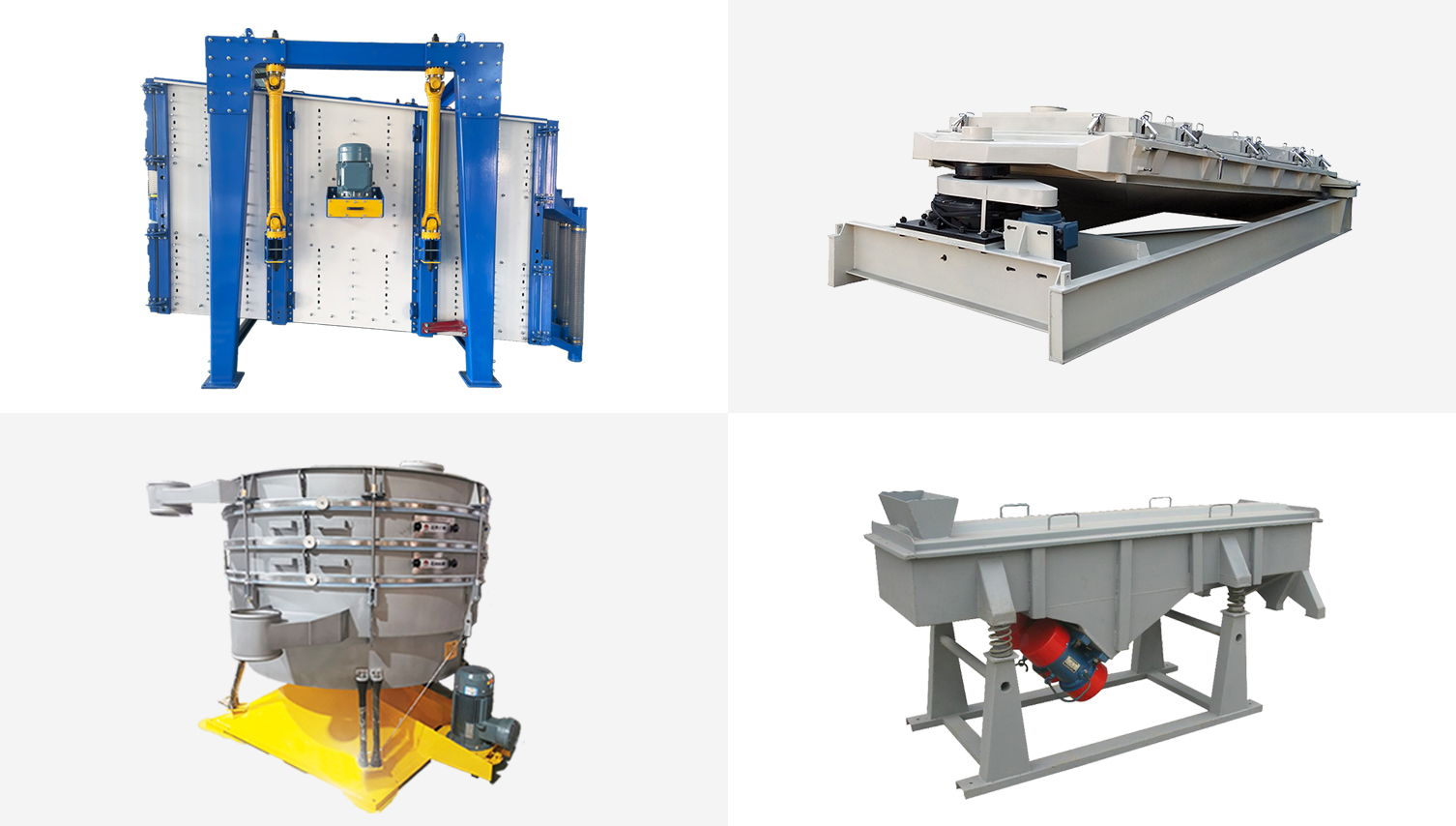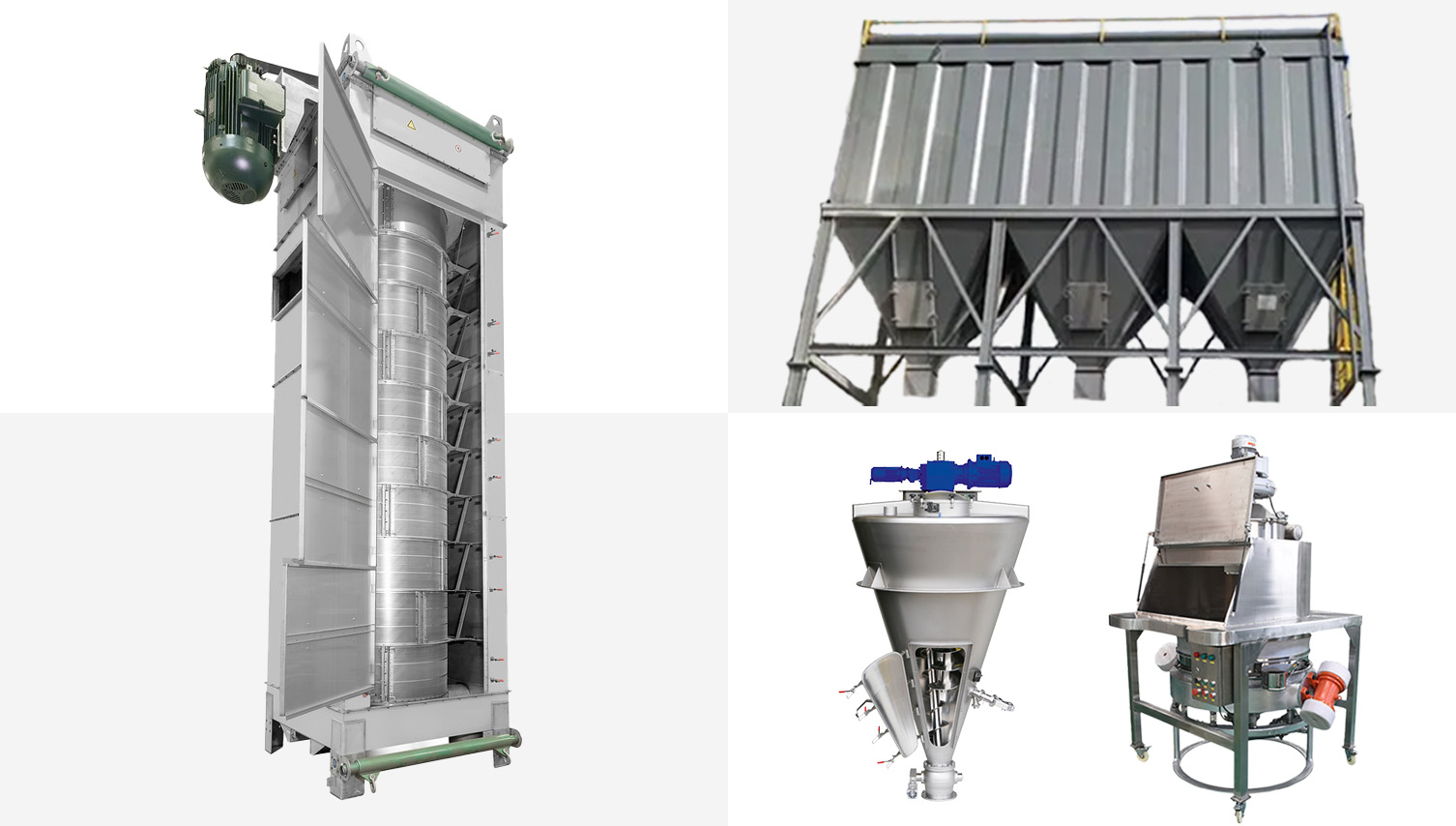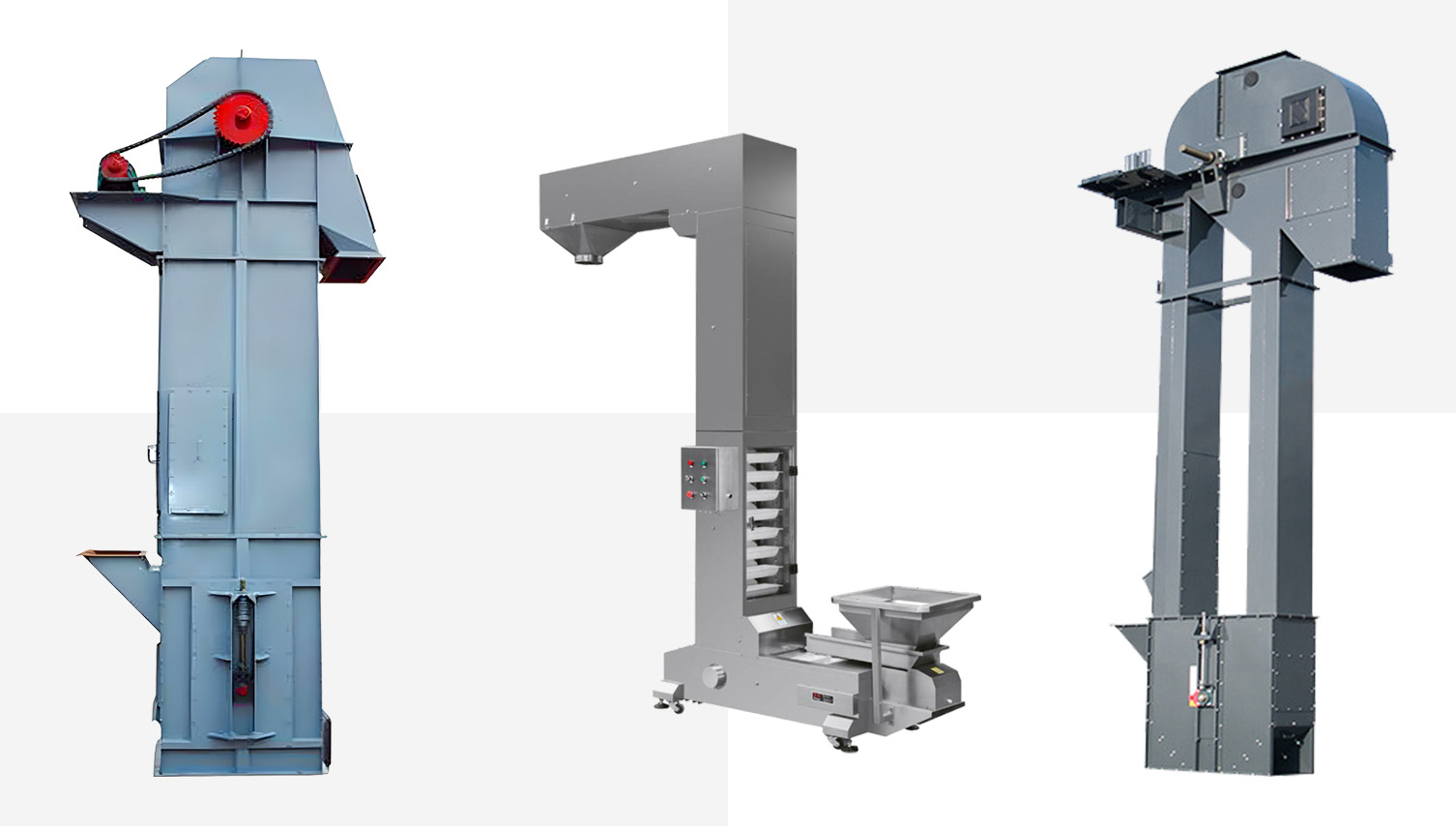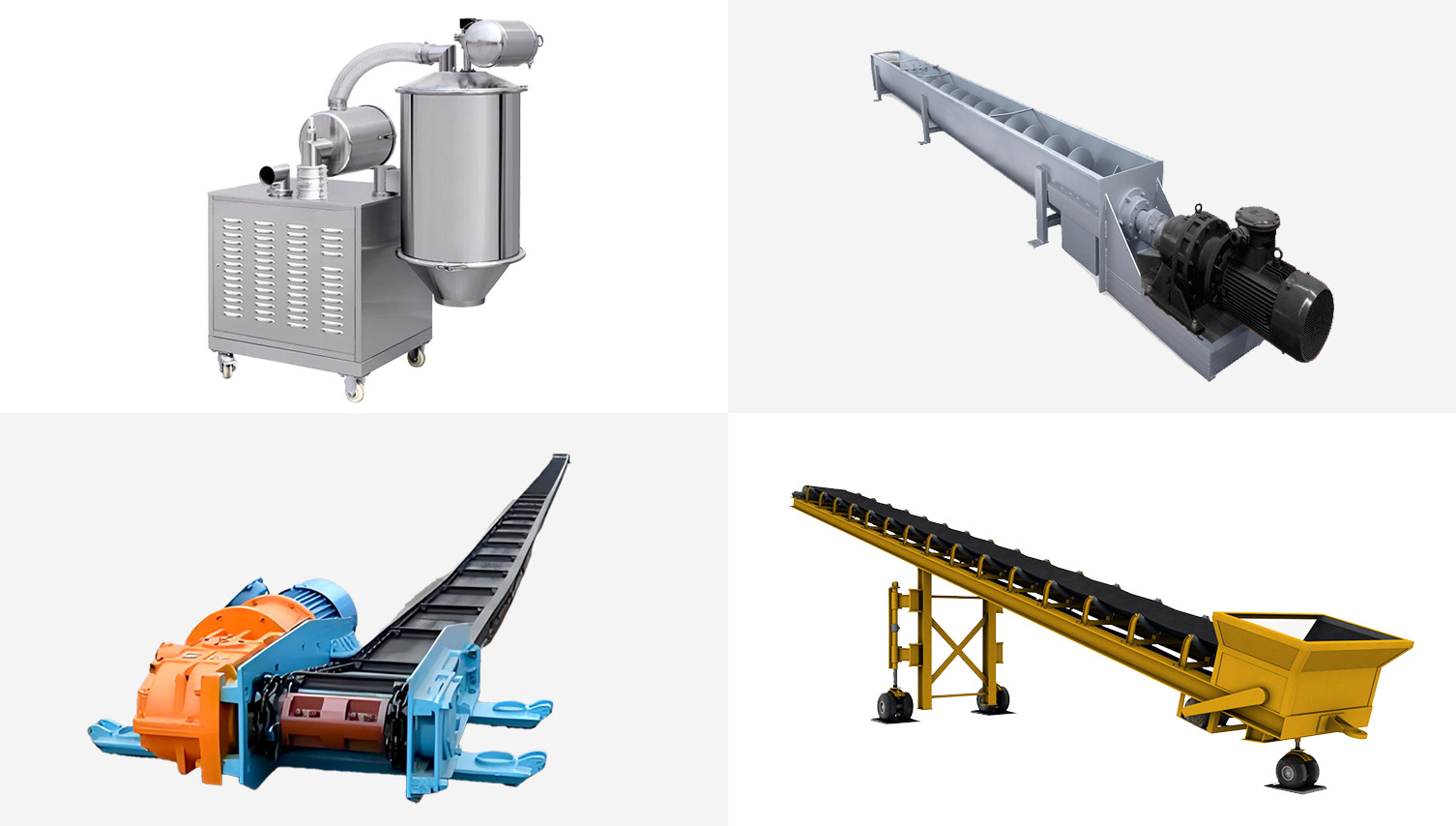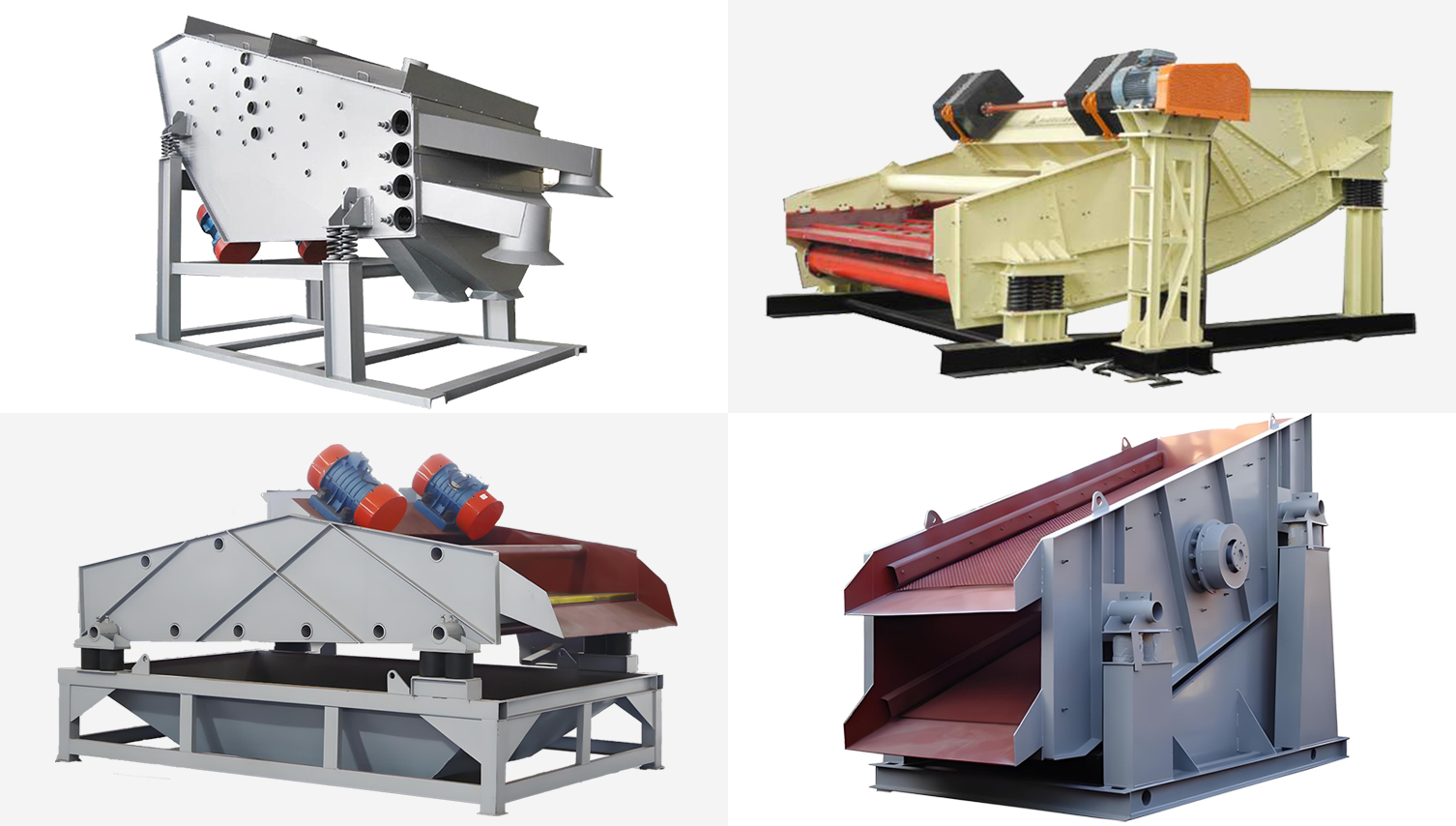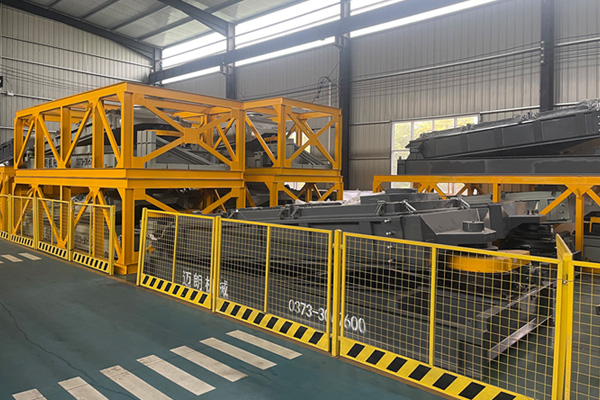
In modern screening production lines, whether for powder processing, fine chemical engineering or food processing, production supervisors are repeatedly confronted with the same challenge: how to achieve stringent particle‑size precision while pursuing high production capacity. To make matters more challenging, screen mesh clogging, material particle breakage and unstable operation must also be avoided. Traditional circular vibrating screens or linear screens rely on high‑frequency "violent vibration" to throw materials off the screen surface. Although this "brute‑force separation" enables coarse materials to pass through rapidly, fine powder is prone to being flung away and mesh blinding occurs. This not only creates heavy workshop dust pollution but also frequently compromises classification accuracy.
The plane rotary screen adopts a completely different solution. Instead of brute‑force impact, it features a material‑friendly planar rotary motion, redefining fine screening with gentle mechanical principles.
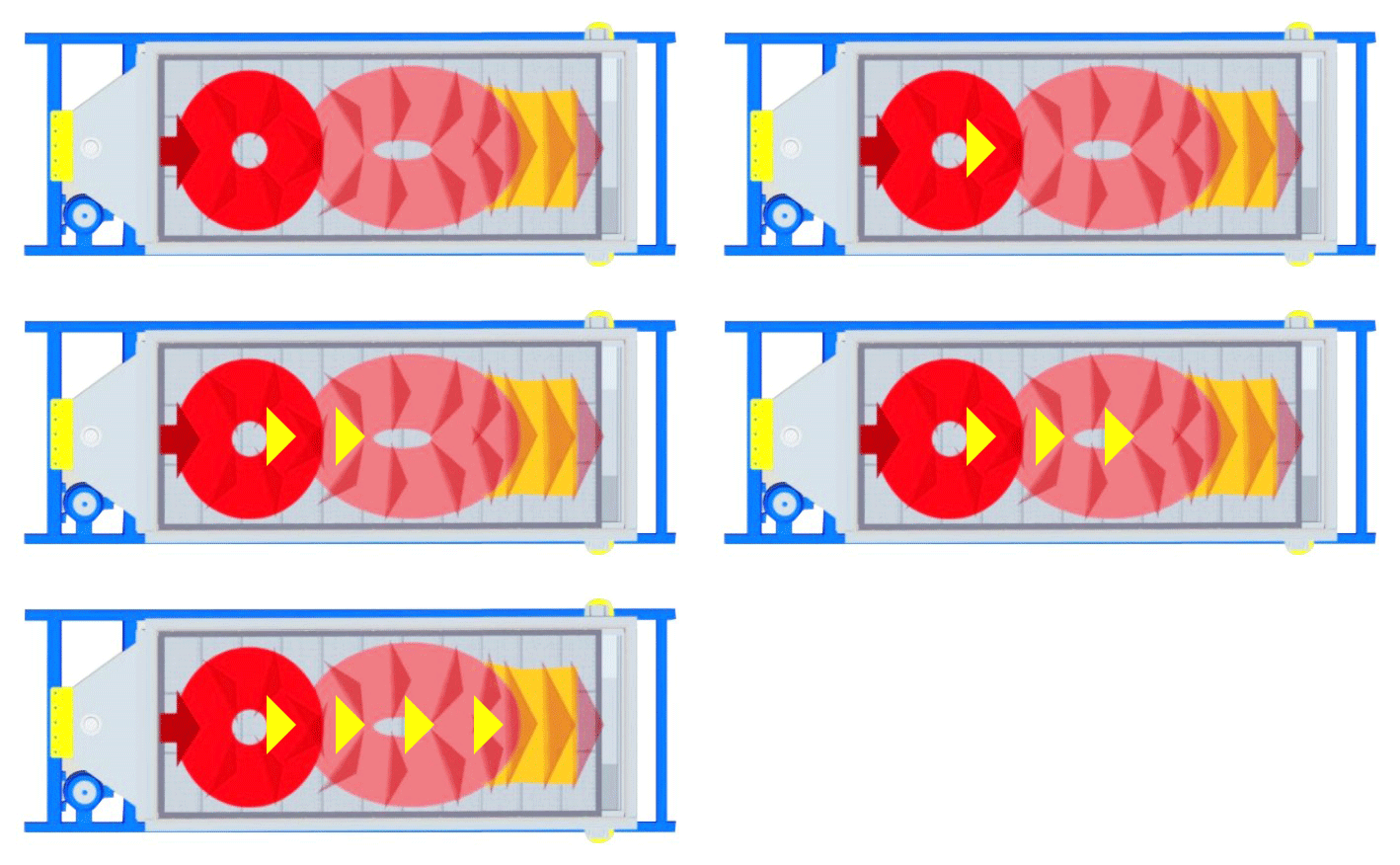 Operating Trajectory of the Plane Rotary Screen
At the core of the plane rotary screen is its screen box, driven precisely by an eccentric mechanism to perform uniform reciprocating rotary motion. The entire screen surface maintains a small inclination angle of only 0‑5°. When materials are evenly fed from the inlet, an elaborate process of stratification, sifting‑through and coarse‑material discharge commences. The trajectory evolves scientifically in three phases across different positions of the screen surface:
Feed end: Horizontal circular motion for instant material spreadingAt the feed end, materials are subjected to approximately horizontal circular force. Acting like an invisible hand, this force quickly disperses concentrated feed and spreads materials across the full width of the screen surface. Under combined gravity and rotary force, fine particles sink rapidly while coarse particles float to the upper layer, completing efficient automatic stratification within mere tens of seconds. This step lays the foundation for fine screening: precise sifting‑through can only be achieved with distinct material layers.
Middle section: Elliptical motion, balancing sifting‑through and material advanceUpon entering the middle section of the screen surface, the trajectory gradually transitions into an elliptical shape. This ingenious trajectory retains sufficient rotary components, granting fine particles ample time to "search for mesh apertures while sliding along the screen surface". Meanwhile, it generates forward propelling force to prevent material accumulation in the middle zone. In this "advancing‑while‑screening" state, every fine powder particle gains maximum opportunity to pass through the mesh — this is the core reason why the screening efficiency of plane rotary screens generally exceeds 95%.
Discharge end: Reciprocating linear motion for clean impurity removalAt the discharge end, the trajectory approximates reciprocating linear movement. Fine particles that have completed sifting‑through have already fallen to lower layers. Coarse grains and impurities remaining on the screen surface are discharged thoroughly under linear thrust force. Thanks to the unidirectional forward trajectory, coarse materials do not back‑flow or cause cross‑contamination of fractions, ensuring high purity of finished products.
Once this trajectory is understood, three overwhelming advantages of plane rotary screens in fine screening become clear:
More complete fine‑powder sifting‑through with well‑defined classification boundariesOrdinary vibrating screens feature vertical acceleration as high as 3G‑5G, tossing materials high into the air. Fine powder easily escapes or undergoes mis‑stratification. By contrast, the vertical acceleration of plane rotary screens is close to 1G. Materials travel mostly by sliding and stay in constant contact with the screen mesh. This "mesh‑adhering" state yields sharply defined classification boundaries, minimal over‑size coarse grains in final products, drastically reduced powder entrainment, and highly controllable particle‑size distribution.
Multiplied screen‑mesh service life and sharply reduced operating costsScreen meshes of vibrating screens endure repeated "whipping‑style" impact and are susceptible to fatigue failure. For plane rotary screens, the mesh only bears gentle friction. Equipped with ball‑beating or ultrasonic self‑cleaning systems, particles wedged in mesh holes are dislodged by rotary twisting. Such mild mechanical conditions extend screen‑mesh service life to 2‑3 times that of conventional vibrating screens, and cut downtime for mesh replacement significantly.
Superior performance for slightly sticky and damp materialsTraditional screens are highly prone to mesh blinding when handling slightly sticky or damp feedstocks. The rotary twisting motion of plane rotary screens delivers inherent self‑cleaning effects. Combined with optional ball‑beating or ultrasonic cleaning systems, they can handle hard‑to‑screen materials such as powdered sugar, starch and lithium‑ion battery materials with long‑term anti‑clogging and anti‑blinding performance.
True fine screening is far more than simply adopting finer mesh sizes. It is a discipline balancing time, space and mechanical force. The success of plane rotary screens lies in granting every material particle reasonable residence time, distinct stratification paths and sufficient opportunities to pass through screen apertures. It embeds the core principles of "stability, uniformity and controllability" into the kinematic design of the equipment. This explains why plane rotary screens serve as irreplaceable core equipment in production lines for high‑end powders, food additives, new‑energy materials and other sectors with stringent particle‑size requirements.
As manufacturing evolves from basic material separation toward accurate, stable and cost‑effective classification, screening equipment is no longer a trivial auxiliary component at the end of production lines. Instead, it constitutes a key process segment that determines product grade, brand reputation and even market competitiveness. Represented by the plane rotary screen emerges a more restrained, precise industrial screening philosophy that respects material properties: it pursues long‑term operational certainty rather than momentary explosive power. Complex mechanical challenges are undertaken by equipment, stable production capacity is delivered to production lines, and outstanding product quality is brought to the market — this embodies the core features of high‑end manufacturing.
Distinct Particles, Intelligent Screening — Mirant Xinxiang Machinery Co., Ltd.