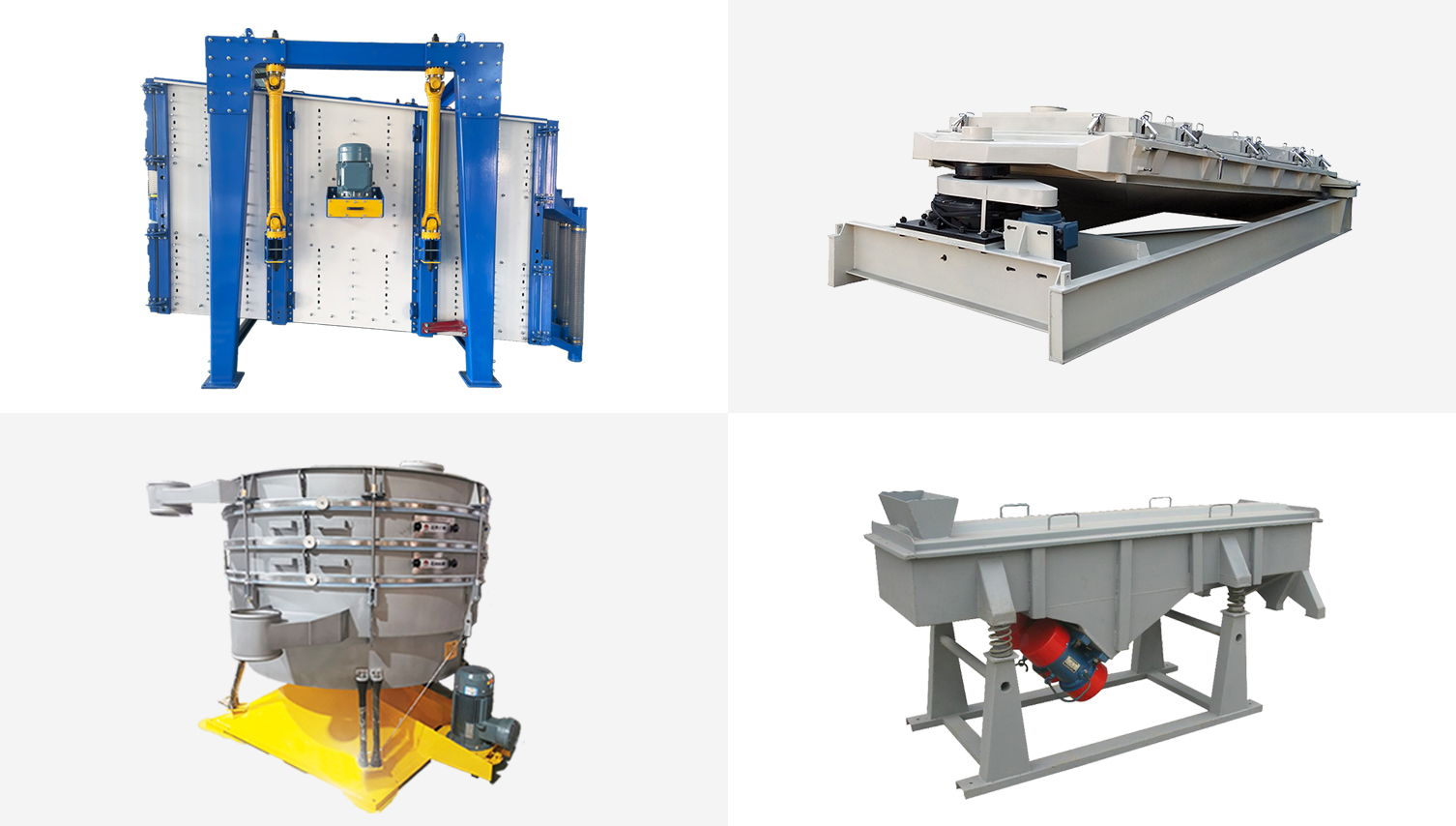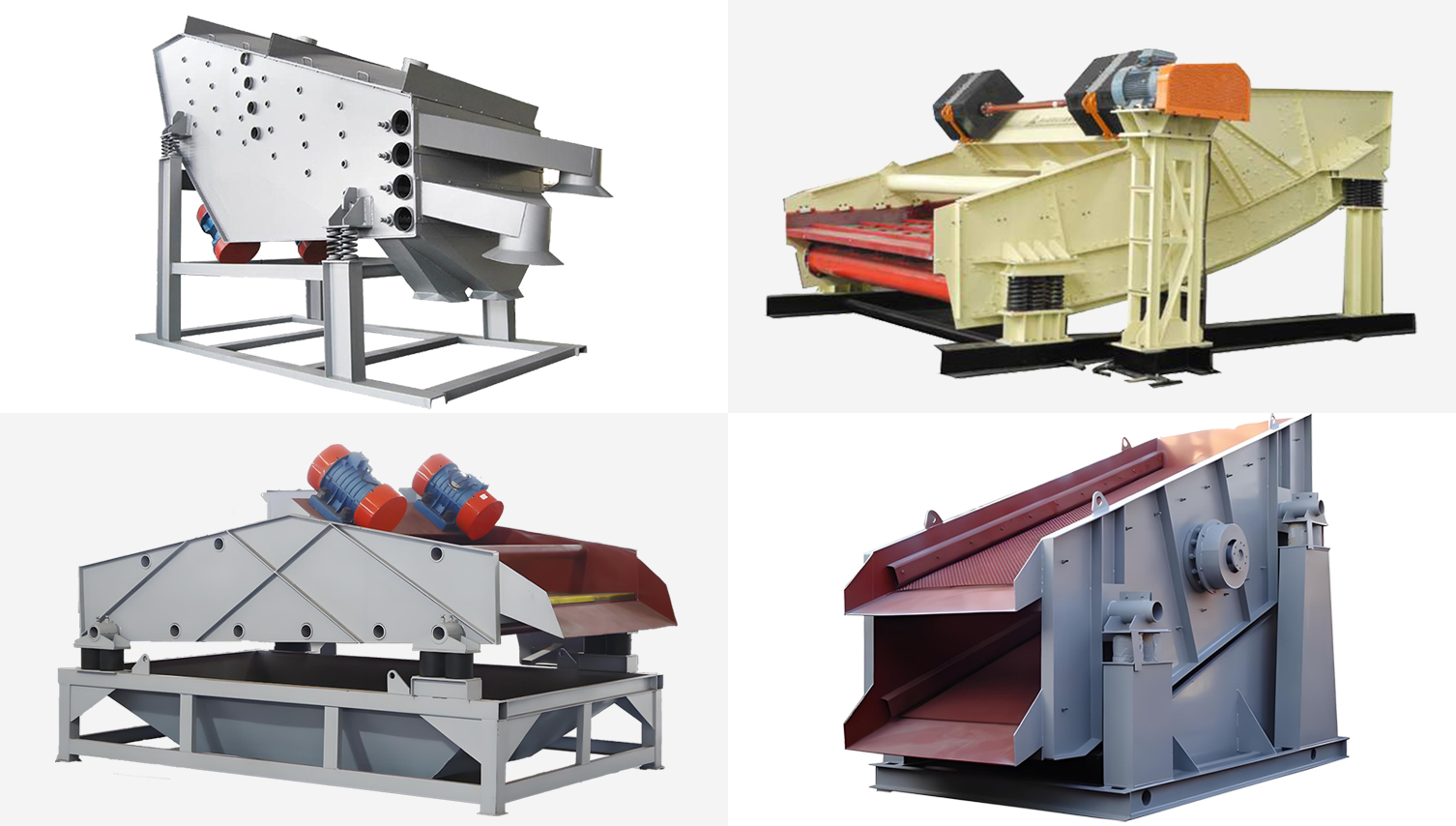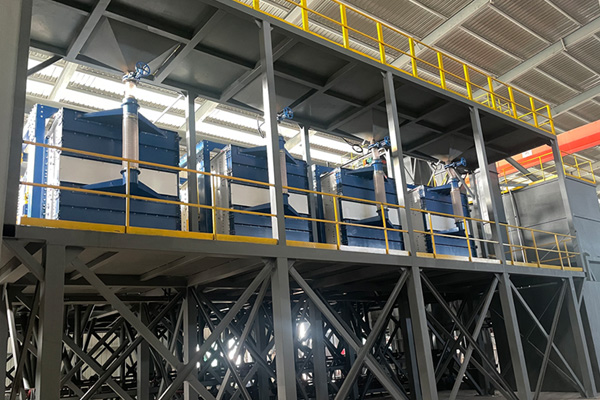
Before purchasing screening equipment, many people simply think it’s just “replacing a sieve”. Only after building an actual screening production line do they realize that the crux lies in the connection between upstream and downstream equipment.
No matter how high the precision of a square gyratory sieve is, its advantages cannot be brought into play if feeding is erratic, discharge gets blocked, or fine powder escapes everywhere. It is not an isolated unit; rather, it acts as the dispatching hub of the entire screening line. Materials arrive from the preceding process, get classified by the sieve, and are then routed to their respective destinations — storage silos, packaging stations, or crushers for reprocessing. Along this inlet-outlet flow, all upstream and downstream equipment must operate in sync with its rhythm.
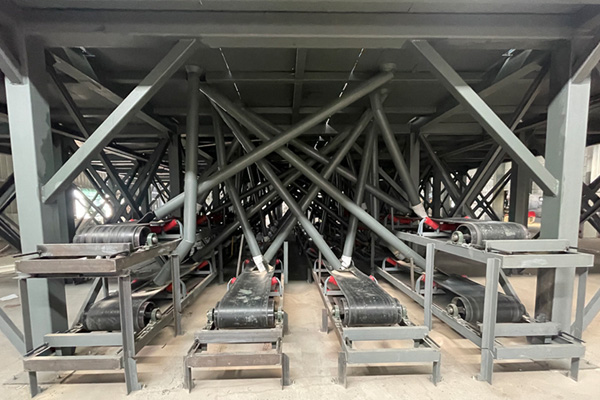
If the upstream process discharges intermittently (e.g., batch mixing or dumping from intermittent packaging), materials surge in pulses. Direct feeding into the sieve results in uneven bed thickness: overloaded material fails to pass through, underloaded material reduces efficiency, and the sieve mesh is prone to deformation from impact by large lumps.
A buffer silo is typically installed between the feeder and the sieve, sized to hold 15–30 minutes of screening throughput. Its core function is peak shaving and valley filling. Even with intermittent upstream discharge, the material level inside the silo stays relatively stable. The feeder draws material evenly from the silo bottom, so the sieve receives a consistent, steady feed.
A variable-frequency feeder is strongly recommended. The practical reason: the optimal material bed thickness varies with different materials, seasonal humidity fluctuations, and particle size gradations. Fixed-speed feeders require adjustments of baffles and openings whenever the feed material changes, which is cumbersome. With variable frequency, operators simply adjust the frequency via the control system to maintain a well-spread, non-accumulated bed without exposing the mesh.
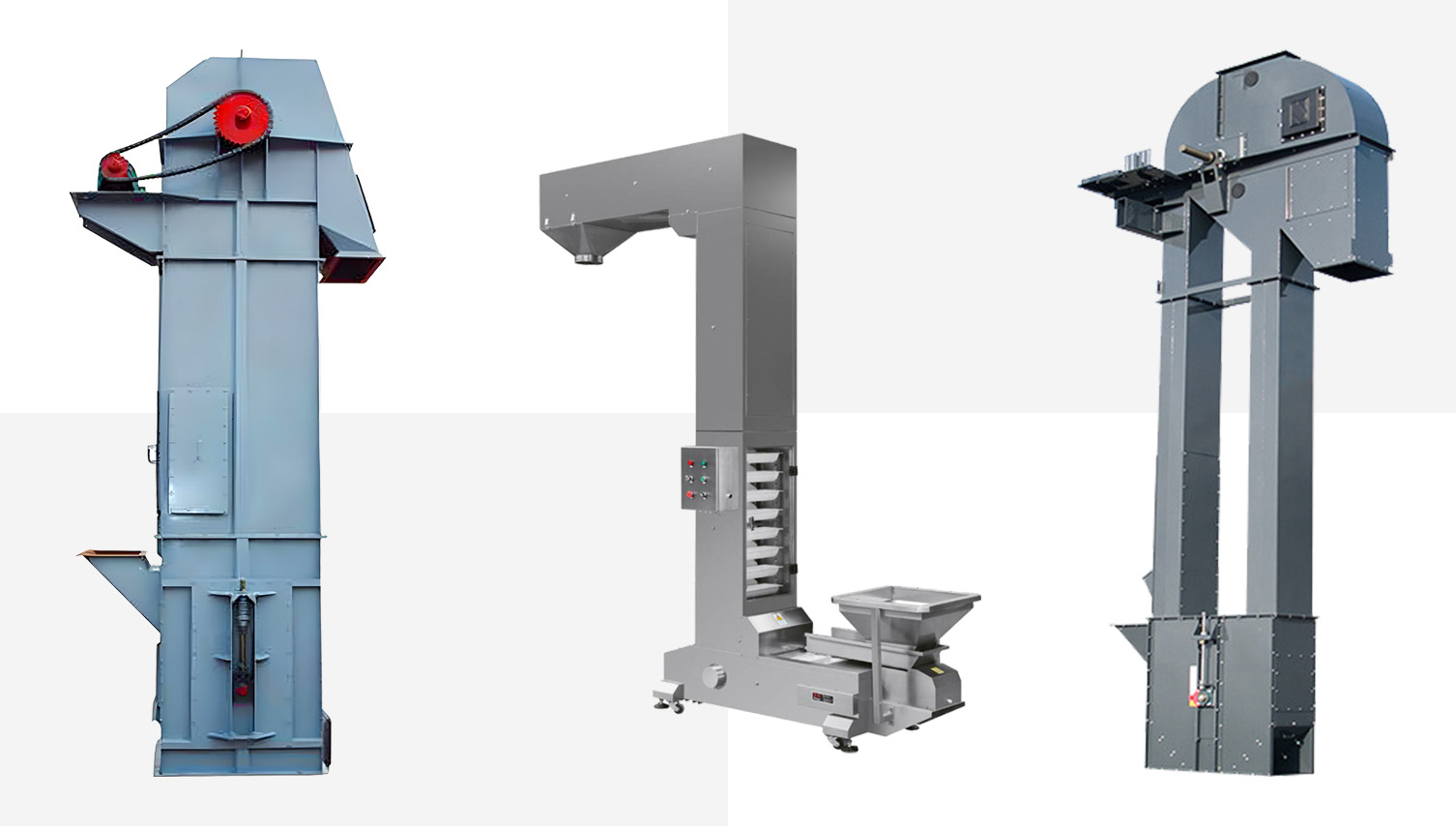
The elevator selection is directly tied to the inlet height of the square gyratory sieve. Square gyratory sieves are usually installed on a platform to facilitate bottom discharge and maintenance, so upstream elevating equipment is required to convey materials up to the feeding elevation of the sieve.
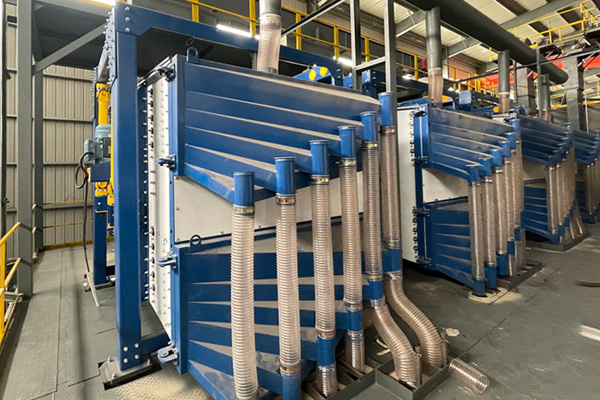
With stable feed delivered from upstream, the midstream section demonstrates the true capability of the equipment.
The square gyratory sieve adopts a fully enclosed structure. All access doors are fitted with sealing strips, and feeding, discharging and dust extraction ports are connected via flanged joints. Slight negative pressure is maintained inside the sieve during operation (extracted by the downstream dust collector) to contain fine powder internally.
The direct outcome: workshop dust concentration drops drastically. The environment becomes clean enough that a white shirt stays spotless after a full shift. Environmental compliance approval can be obtained smoothly, and workers no longer request job transfers due to dust exposure.
The square gyratory sieve is equipped with multi-layer meshes, corresponding to different particle size fractions from top to bottom. Each layer features independent tensioning, separate discharge outlets and individual sealing. Independent outlets are configured for every layer to guarantee tight sealing and smooth material flow.
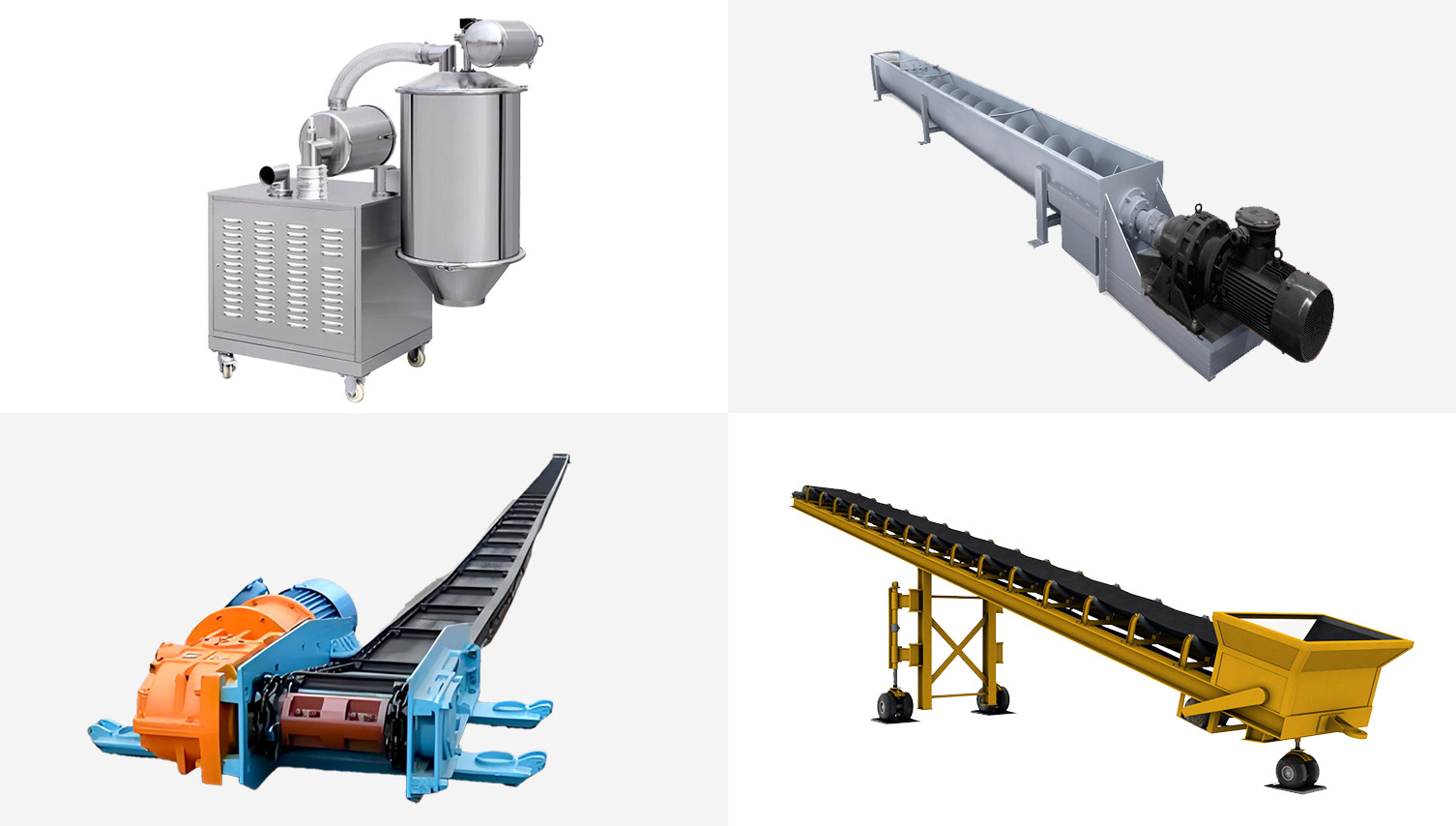
The oversize discharge port connects to a screw conveyor, which sends unqualified coarse particles back to the crushing or grinding equipment in the upstream process. The fully automatic closed cycle runs as follows: coarse oversize → screw conveyor → elevator → crusher for regrinding → buffer silo → re-screening. The closed loop is visualized on the control screen. Operators only need to monitor online particle size data and occasionally check the recirculation flow on site.
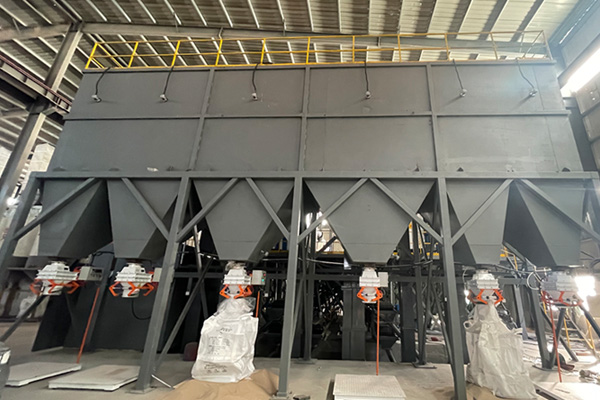
Finished products from each mesh layer travel through dedicated conveying lines. Flexible connectors plus sight glasses are installed between all conveyors and sieve discharge ports. Sight glasses are valuable: operators can check material flow, blockages and cross-contamination without dismantling pipelines.
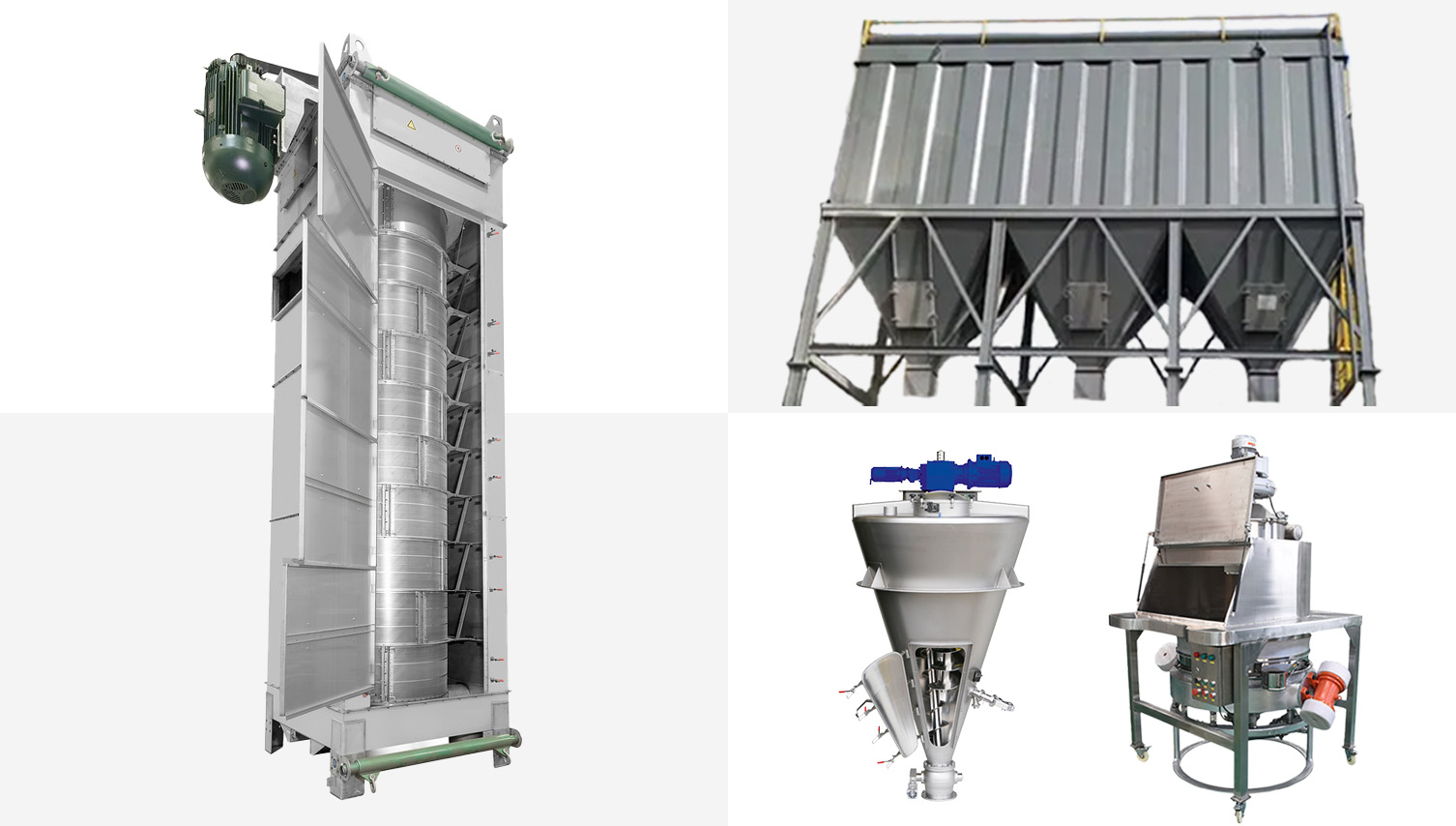
Dust extraction ports are reserved on the square gyratory sieve (near the feed inlet, on the main body top, and at the discharge manifold), all routed to a pulse bag dust collector. Recovered fine powder is automatically discharged through a rotary airlock valve at the dust collector bottom into the fine product outlet of the sieve, eliminating material waste.
Finished materials are directly linked to packaging lines for packing of products of different particle sizes.
Purchasing a square gyratory sieve is essentially not buying a standalone machine, but a screening module ready for integration into a full production line. What you invest in is not merely its motor power, but its capability to enable stable operation of all upstream and downstream equipment. A smoothly running line brings higher yield and less maintenance, which makes solid economic sense.
Clear Particle Separation, Intelligent Screening
Mirant Xinxiang Machinery Co., Ltd.