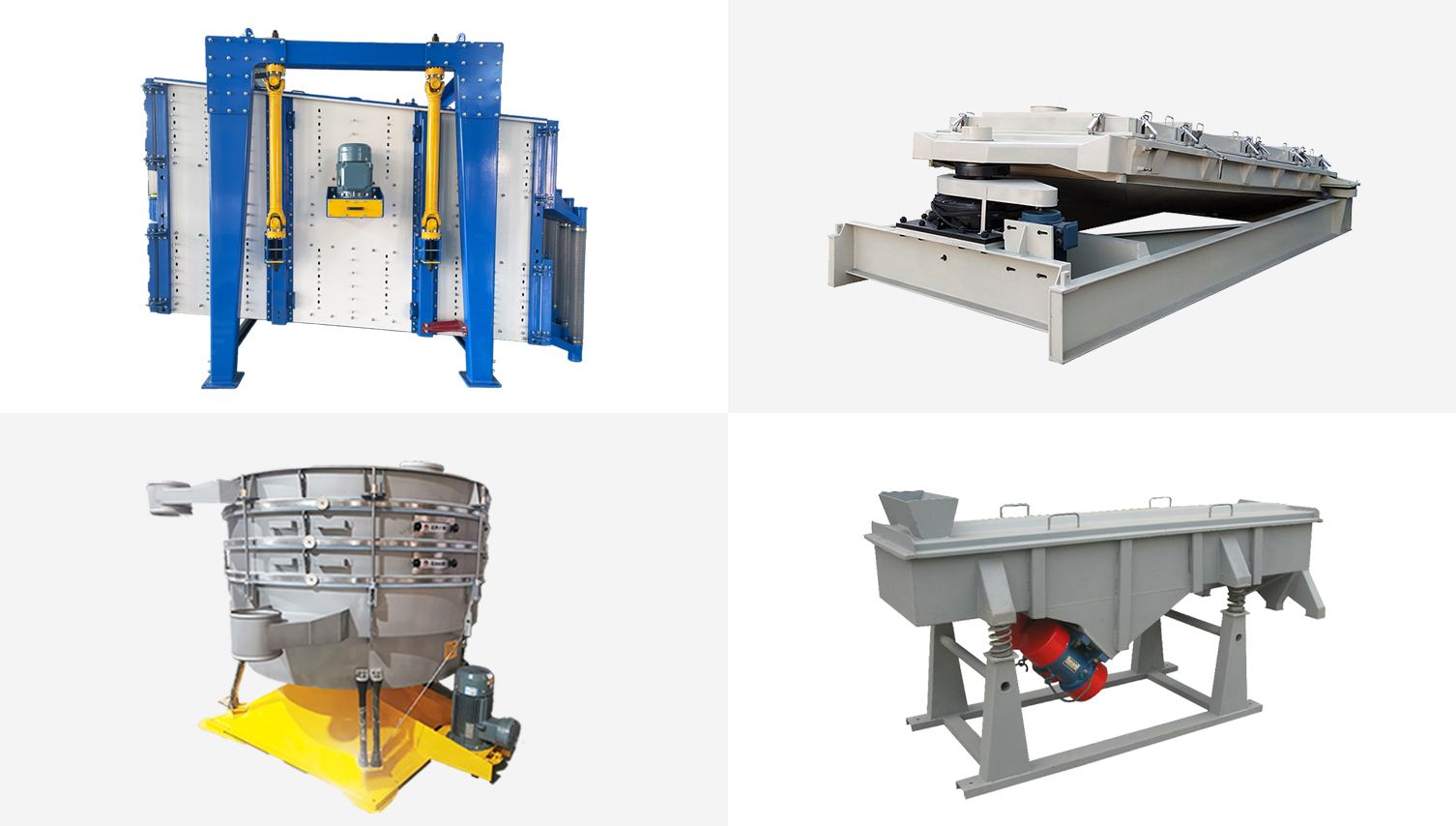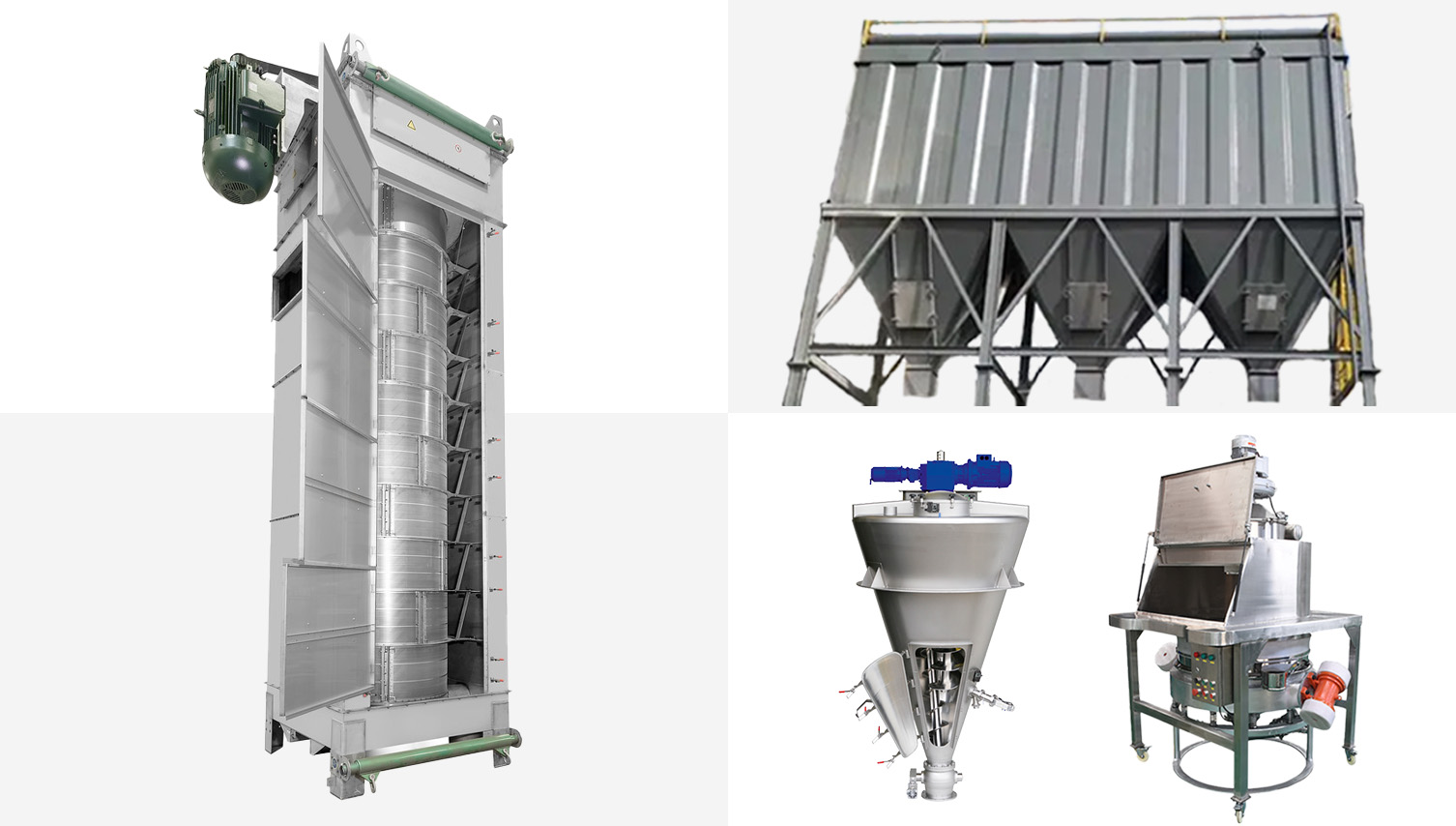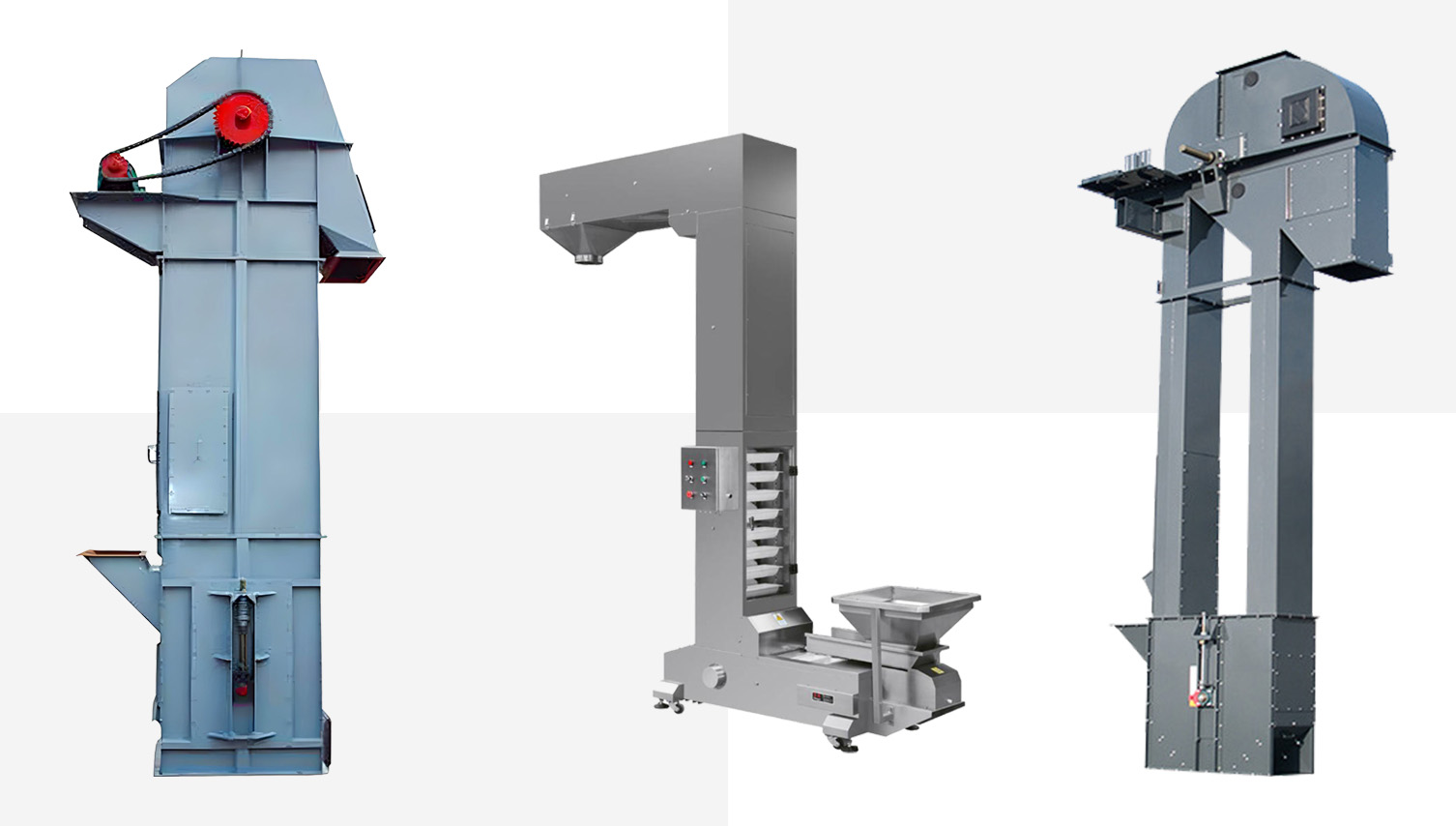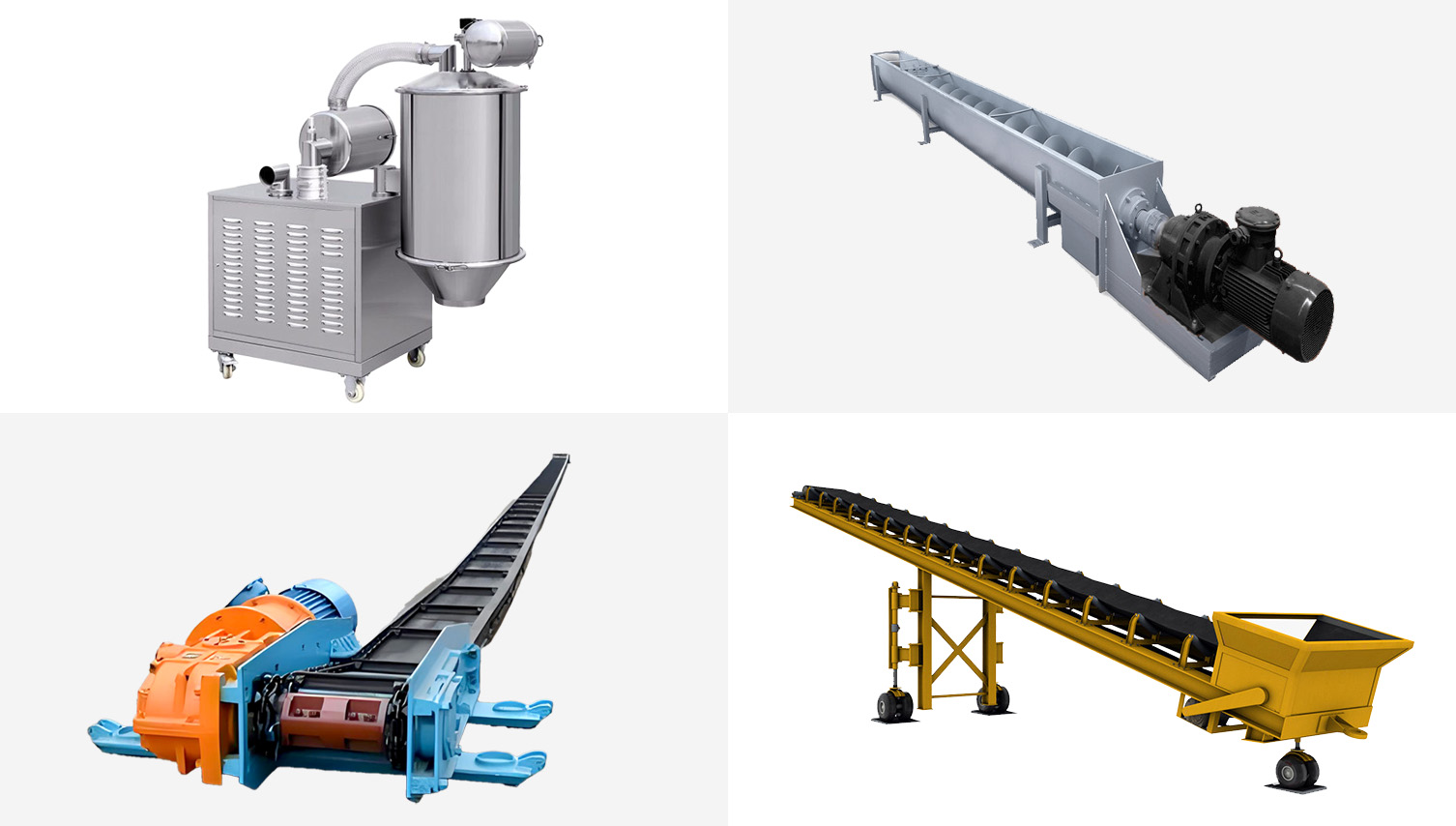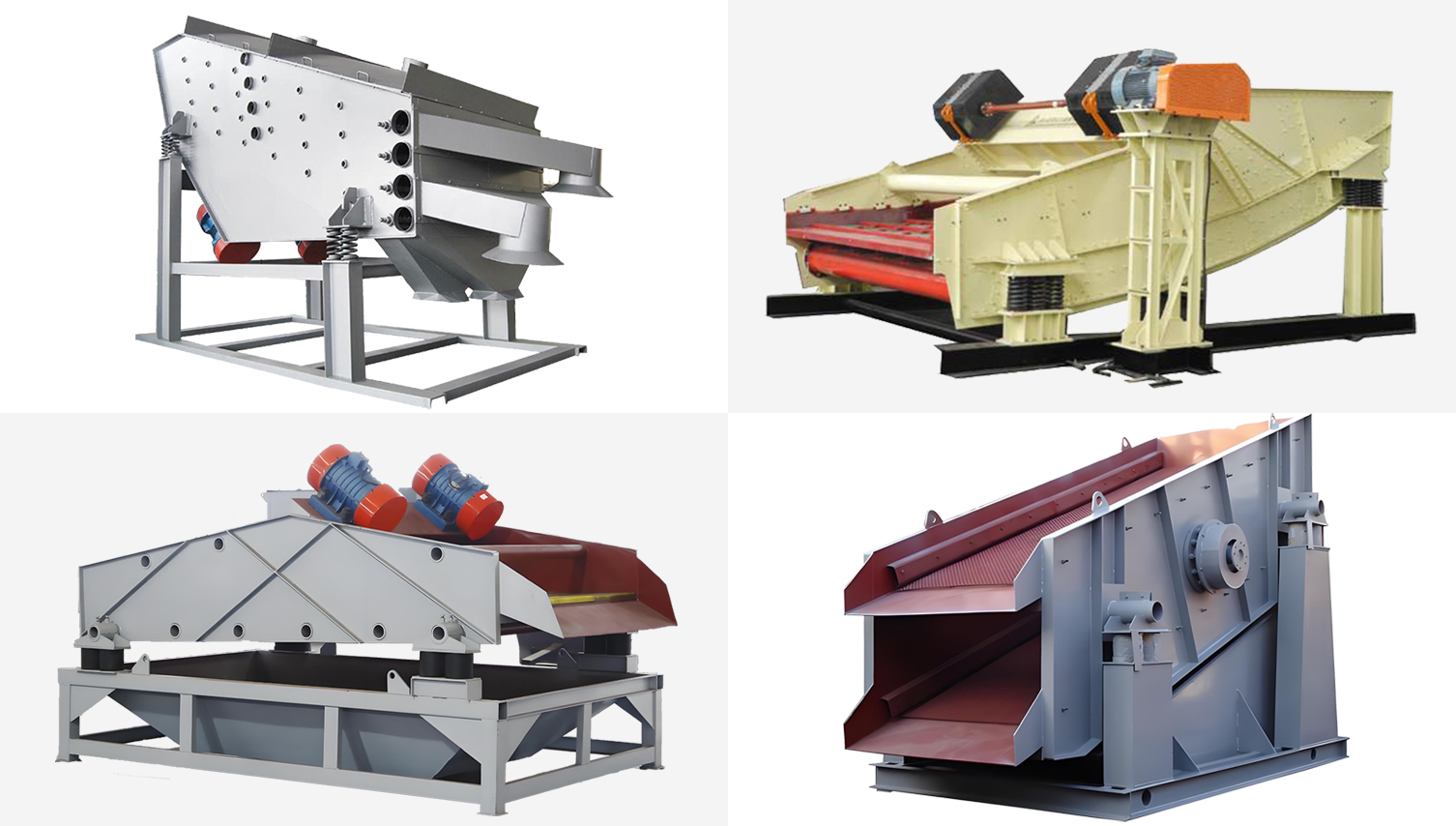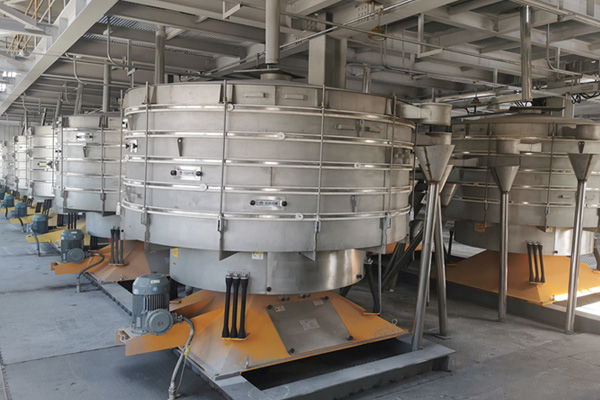
In modern industrial production, whether it's food, building materials, minerals, or plastic granules, the smoothness of the production line and the quality of the final product are inseparable from a crucial process: screening. Screening equipment has evolved from simple separation tools into a core supporting unit ensuring the efficient and stable operation of the production line.
I. An Indispensable "Quality Gatekeeper"
At the beginning of the production line, raw material screening is the first step. For example, in food processing, vibrating screens are used to remove lumps, woven bag threads, and other foreign objects from flour and sugar; in the building materials industry, drum screens are used to classify sand and gravel according to particle size, ensuring accurate concrete mix proportions. This prevents substandard raw materials from entering subsequent processes, avoiding equipment damage and product contamination, making it a true "first line of defense" for quality.
II. A "Process Optimizer" in the Production Process
In the middle of the production line, screening equipment plays a crucial role in process control. In fertilizer or compound fertilizer production, hot material screening separates cooled granules by size. Coarse particles are returned for crushing, fine powder is returned for granulation, and qualified products enter the coating process, forming a highly efficient closed-loop cycle. This not only improves raw material utilization but also ensures that the finished granules are uniform in size, with excellent appearance and slow-release effect. On plastic granulation lines, vibrating screens effectively separate "tail material" and dust, ensuring that only uniformly sized, pure particles enter the packaging stage.
III. The "Final Inspector" Before Finished Products Leave the Factory
Before product packaging or warehousing, final screening is the last step in ensuring product quality. It removes the very small amount of broken or impurities that may have been generated in the preceding processes, ensuring that the products delivered to customers meet specifications. This is crucial for maintaining brand reputation and reducing customer complaints.
Key Supporting Features:
1. Precise Selection: Based on material characteristics (particle size, moisture content, viscosity, specific gravity) and production capacity, select the most suitable screening equipment, such as linear screens, vibrating screens, and probability screens.
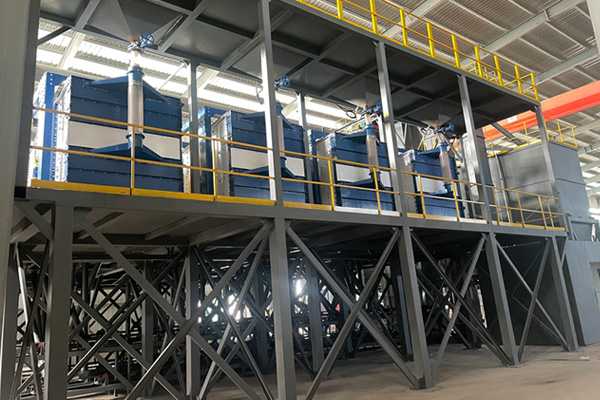
2. Seamless Integration: The feed inlet and outlet of the screening machine must be perfectly matched with upstream and downstream conveying equipment (screw feeders, belt conveyors, elevators) in terms of flow rate and height to avoid material blockage or overflow.
3. Automated Integration: Modern screening equipment is generally equipped with automatic screen cleaning devices (such as bouncing balls and ultrasonic sensors) and intelligent monitoring systems, which can be connected to a central control room to achieve unmanned operation and fault early warning.
As the "intelligent screen" of the production line, the scientific and reliable use of screening equipment directly determines the production efficiency, energy consumption, and product quality of the entire production line. It is an indispensable part of modern industry's goal of achieving refined and automated production.
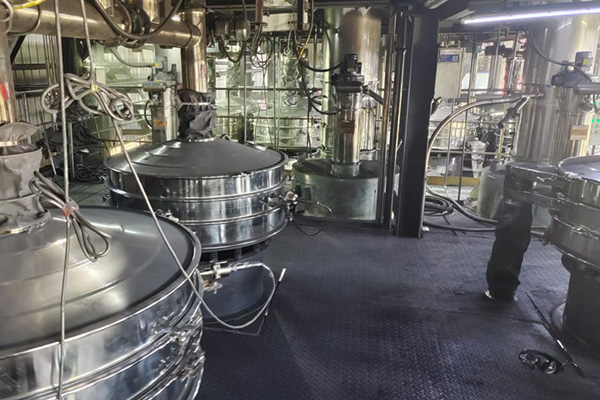
Clearly separated grains, intelligent screening -- Mirant Xinxiang Machinery Equipment Co., Ltd.