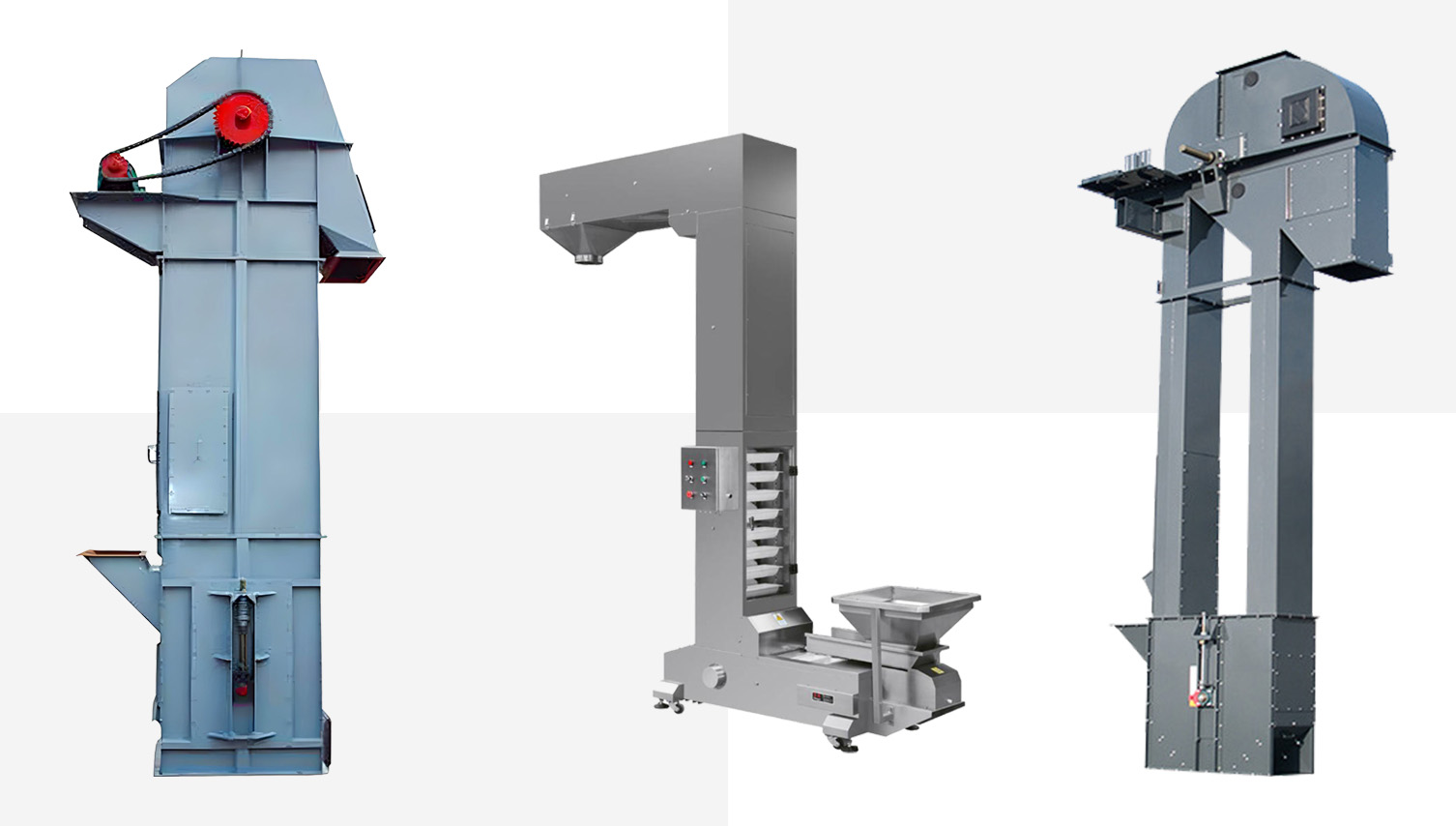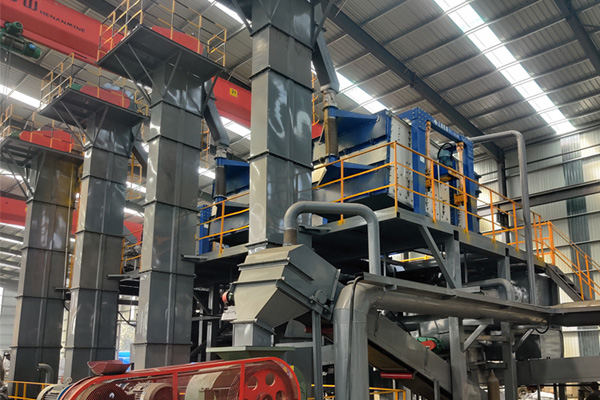
Spring is a crucial transition period for bucket elevators, moving from winter shutdown or low-load operation to full-load production. With rising temperatures and increased humidity, metal components are prone to thermal expansion and contraction, as well as corrosion. Combined with potential hazards left over from winter, a comprehensive and systematic pre-operation check is essential to ensure safe operation throughout the year. This inspection should follow a principle of working from the outside in, from electrical to mechanical, focusing on structural integrity, movement flexibility, and protection reliability.
I. Torque Check of Core Structural Components and Fasteners
After a winter of temperature fluctuations and potential shutdowns, bolts connecting various parts of the equipment are highly susceptible to loosening. This is not only a source of abnormal noise but also a direct cause of major equipment accidents such as bucket detachment and belt tearing. The inspection must be meticulous:
1. Anchor Bolts and Casing Connection Bolts: Use a torque wrench to randomly inspect and tighten the bolts connecting the equipment to the foundation and the flange connections between different sections of the casing to ensure overall stability and prevent abnormal vibrations during operation.
2. Hopper and Traction Component Connection: This is the most crucial part of the inspection. Both belt bolts and chain bolts must be checked one by one. Any loose, broken, or detached connections must be immediately tightened to the specified torque or replaced to prevent a chain reaction caused by a single hopper falling off, which could scratch the machine casing or jam the tail pulley.
3. Head Cover and Inspection Door: Check the sealing of the head discharge cover to prevent dust leakage during windy spring weather. At the same time, ensure that all manhole and inspection door seals are intact and tightly closed to prevent both dust leakage and rainwater infiltration.
II. Internal Cleaning and Bottom Material Removal
Spring air is humid, and materials and equipment inside are prone to caking or rusting. Thorough cleaning is essential before startup.
1. Thoroughly clean the machine interior of foreign objects: Open the inspection doors of the machine head, barrel, and base to thoroughly remove any residual material, ice accumulated during winter, material lumps hardened due to dampness, and any potentially falling iron parts, wood blocks, or other foreign objects. These debris are the biggest hidden dangers for chain jamming and hopper damage during startup.
2. Clean accumulated material from the tail pulley: Focus on inspecting and cleaning any accumulated material wrapped around or stuck to the surface of the tail pulley. If the pulley is covered with material, it will directly change its effective diameter, which is one of the main causes of belt (or chain) misalignment and abnormal wear. For equipment that has been shut down for a long time, the coupling should also be manually rotated to confirm that the tail pulley rotates freely without any jamming.
III. Functional testing of protection devices and backstops
After a period of inactivity, electrical components are prone to malfunction due to moisture, and mechanical protection mechanisms may jam due to corrosion. Functional testing is essential.
1. Safety Protection Switch Test: Manually simulate the operation of the deviation switch and material level switch (anti-blockage switch) to verify whether they can accurately send signals to the central control room or stop the equipment. For pull-rope switches, the reliability of their emergency stop function also needs to be tested.
2. Backstop Effectiveness Verification: For bucket elevators, the backstop is the "lifeline" to prevent reverse rotation. The inspection cover must be opened to confirm that the inside of the backstop (such as roller backstop, shaped block backstop, etc.) is clean and free of foreign objects. Manually rotate the elevator to verify whether its one-way rotation function is normal, ensuring that it can effectively prevent the equipment from reversing in the event of a sudden power outage or abnormal load, avoiding material accumulation at the tail end and major mechanical damage.
3. Hydraulic Coupling Inspection: For equipment using hydraulic couplings, check whether the oil level is normal and whether there are any signs of oil leakage to ensure smooth startup.
IV. No-Load Test Run Procedures Before Operation
After completing the above static checks, a no-load test run must be performed. Before starting, ensure the discharge equipment is already running, following the "reverse flow" start-up principle. The no-load running time should not be too short; continuous operation for 15-30 minutes is recommended, during which the following should be carefully observed:
- Operational stability: Check for abnormal vibrations or periodic impact sounds throughout the machine.
- Traction component status: Check if the belt (or chain) is running in the center of the roller (sprocket), and whether there is any deviation or swaying.
- Temperature rise: Monitor whether the temperature of the motor, bearing housing, and reducer rises abnormally.
- Current monitoring: Observe whether the no-load current is stable and compare it with historical data to determine if there is any increase in mechanical resistance.
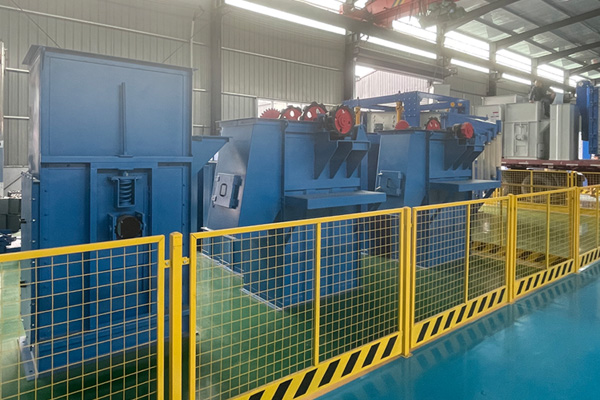
"Spring inspections should not be mere formalities; only then can safety truly take root in our hearts." The pre-start inspection of bucket elevators in spring is not a perfunctory routine, but a valuable opportunity to comprehensively "diagnose" the equipment. From tightening a single bolt to testing a protective switch, every detail concerns whether the equipment can operate continuously, stably, and efficiently in the coming months. We hope this detailed "check-up" guide will help you eliminate potential problems in their early stages, allowing your equipment to meet the production challenges of the new season in optimal condition.