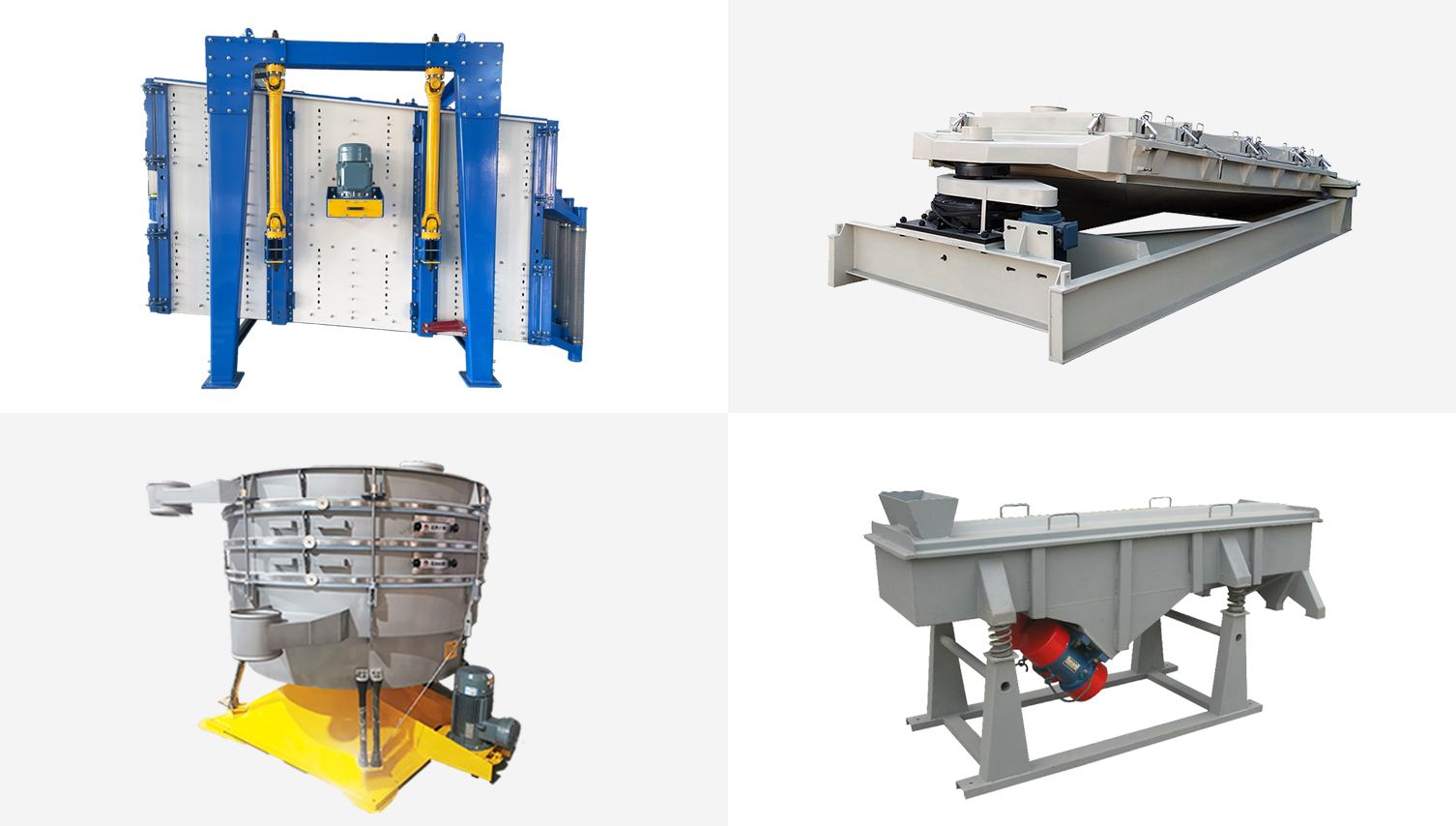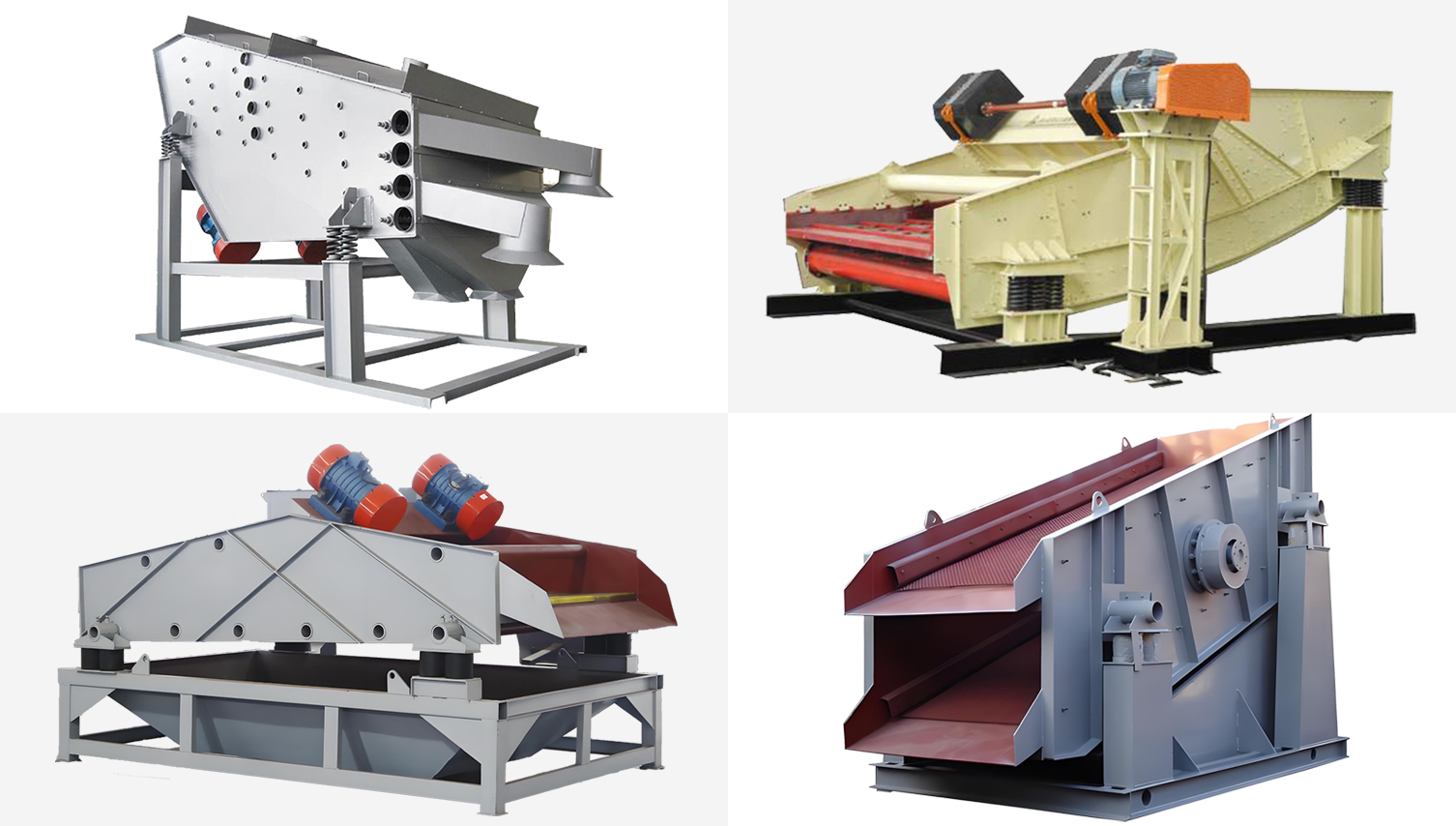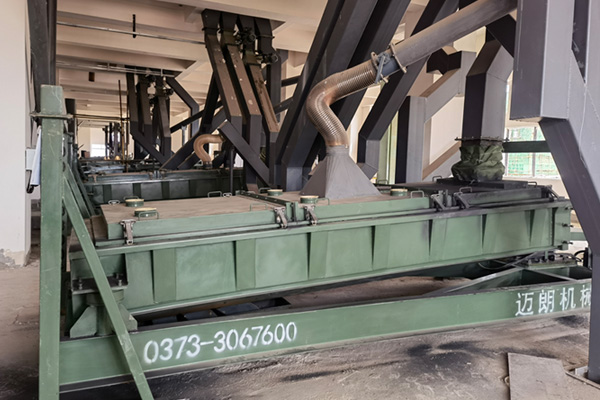
In modern production lines, the screening process is often a critical node determining overall efficiency. Traditional screening equipment frequently suffers from severe clogging, low screening efficiency, and high maintenance costs when processing materials with high moisture content, high viscosity, or fine particle size, becoming a "bottleneck" that restricts capacity release. The innovative application of Gyratory screens is providing a systematic solution to this problem.
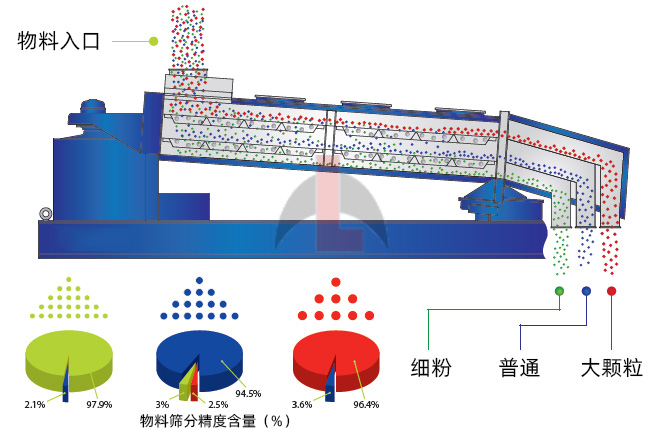
Gyratory Screen Operating Principle
The Gyratory screen (planar rotary screen) efficiently separates various fine and ultra-fine powders and granular materials by simulating manual sieving motion. It mainly consists of a screen frame, screen mesh, motor, transmission device, and support frame. Its working principle relies on the motion of an eccentric mechanism, creating a uniform reciprocating rotary motion. This motion is transmitted to the screen via the drive box. Material within the screen frame is thrown up by inertia and slides along the screen mesh surface, achieving relative movement between materials. Fine particles pass through the screen mesh and fall to the next layer, while larger particles remain on the current layer and continue to participate in the sieving process, ensuring thorough sieving and grading of the material on the screen surface. Users can adjust the motor speed and the position of the eccentric wheel, as well as change the amplitude and frequency of the screen frame, according to the characteristics of different materials and sieving requirements to achieve optimal sieving results.
From a cost reduction perspective, the Gyratory screen significantly reduces the overall operating costs of enterprises through optimized structural design. Its unique screen mesh design and rolling conveying mechanism fundamentally solve the problem of material clogging, greatly reducing downtime for cleaning. For production lines requiring continuous operation, this translates to the release of valuable capacity. Furthermore, the modular design of the Gyratory screen allows for localized replacement of worn screens or shafts, eliminating the need for complete scrapping and reducing spare parts costs by over 30% compared to traditional screens. Experience from some companies shows that this alone can save considerable annual costs on consumables.
In terms of efficiency, the Gyratory screen demonstrates significant advantages. Its screening efficiency is generally higher than that of traditional vibrating screens, enabling precise control of material particle size and ensuring consistent material quality for subsequent processes. This precise screening capability effectively avoids over-grinding, increasing the yield of qualified products. For downstream processes, higher-quality raw materials mean reduced equipment load and energy consumption, creating a closed-loop efficiency improvement across the entire chain. In addition, the composite screen operates smoothly, with low noise and minimal dust emissions, improving the working environment and reducing environmental protection costs.
The value of the Gyratory screen lies not only in the equipment itself but also in its deep integration with the company's production system. When the screening bottleneck is broken, the full potential of the entire production line is released, and cost reduction and efficiency improvement move from vision to reality.
Clearly separated grains, intelligent screening -- Mirant Xinxiang Machinery Equipment Co., Ltd.