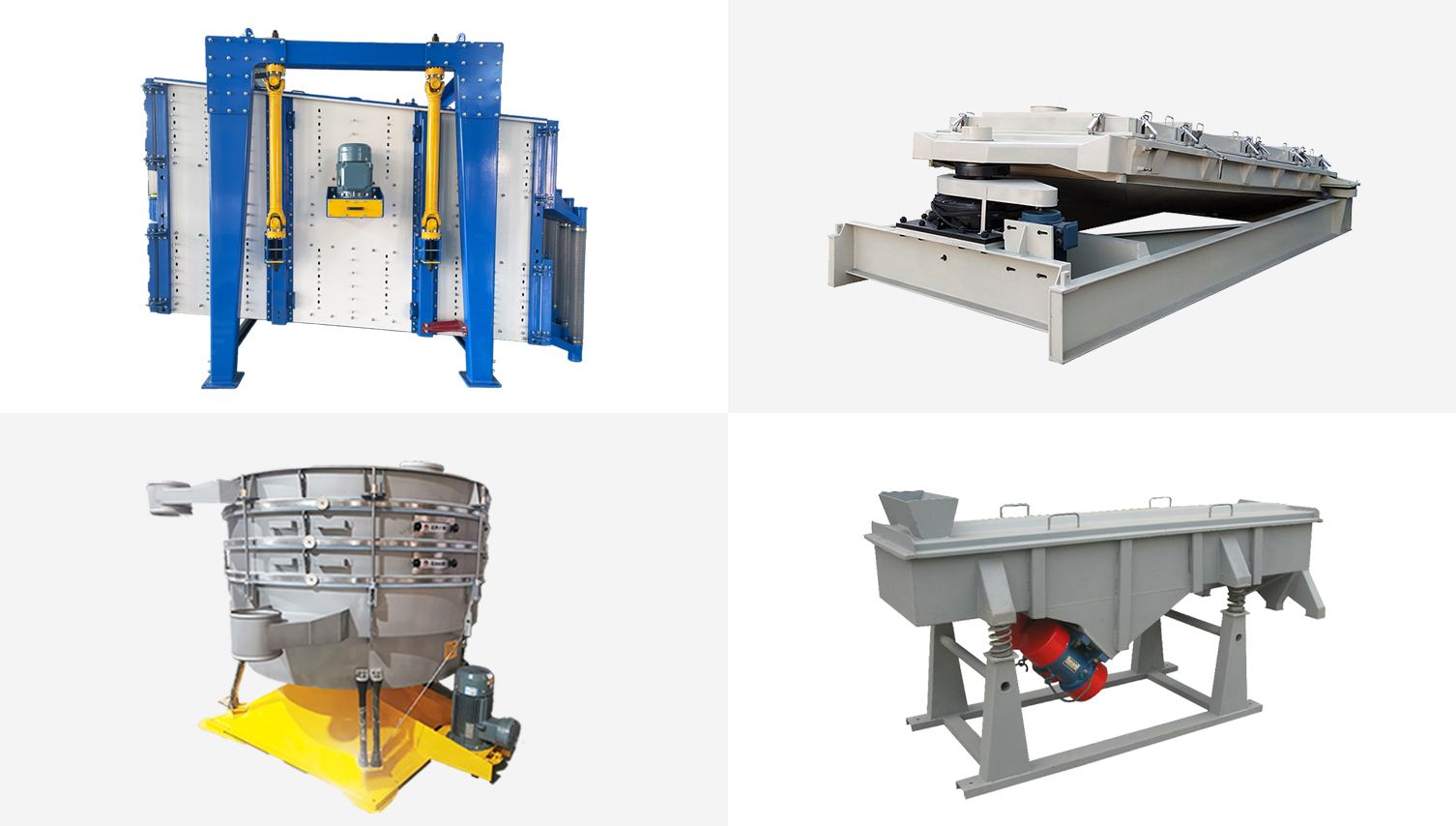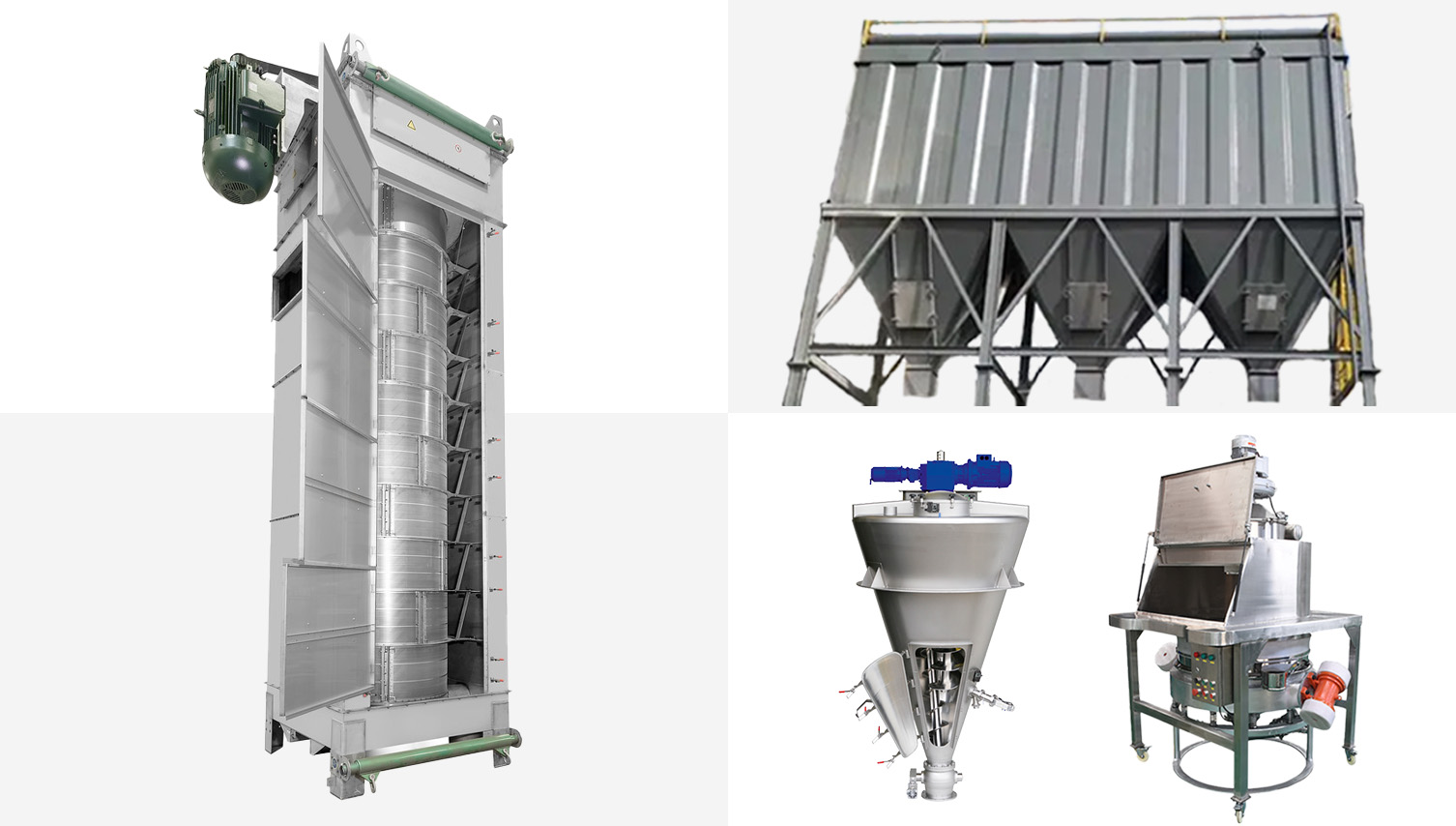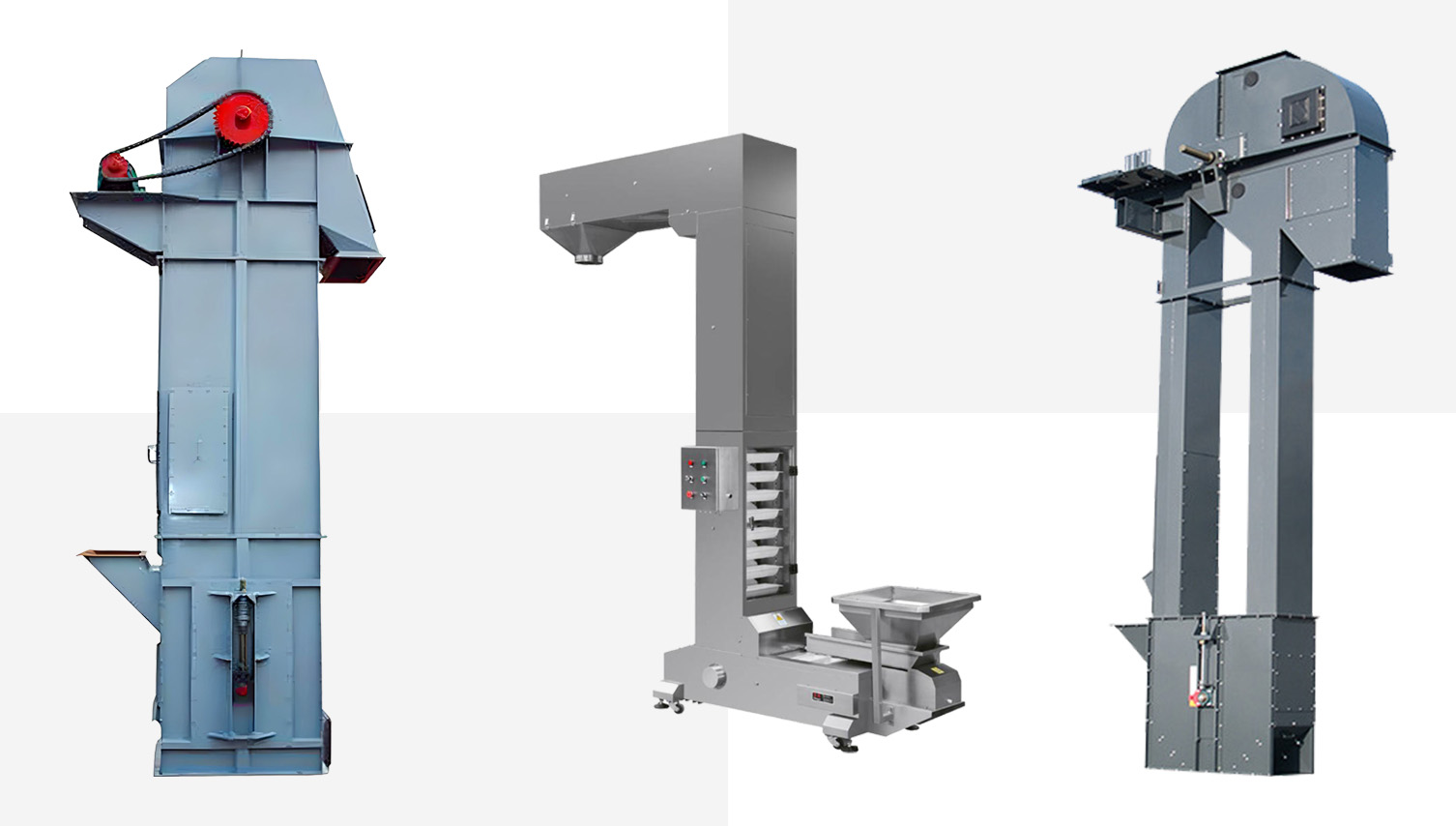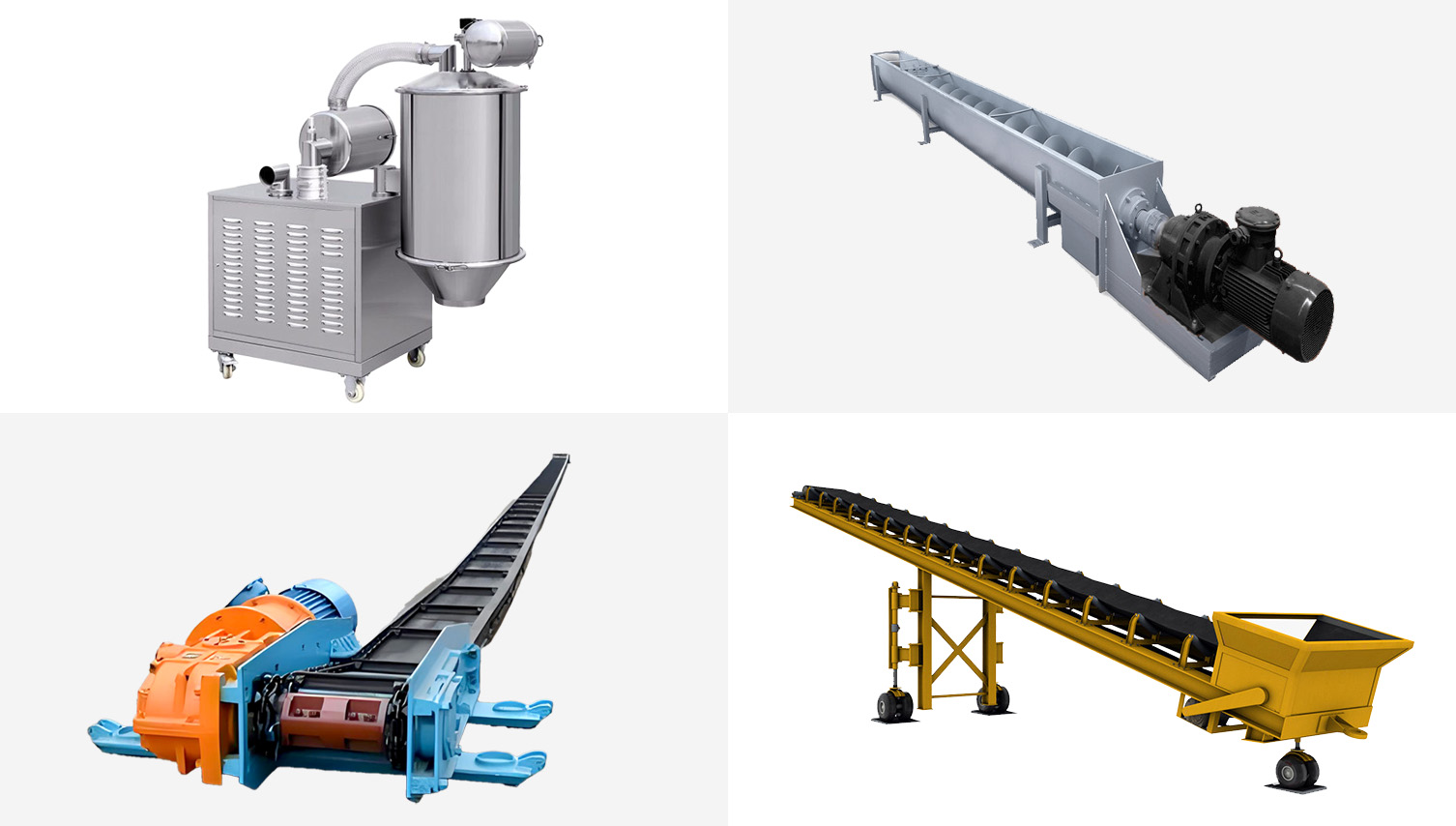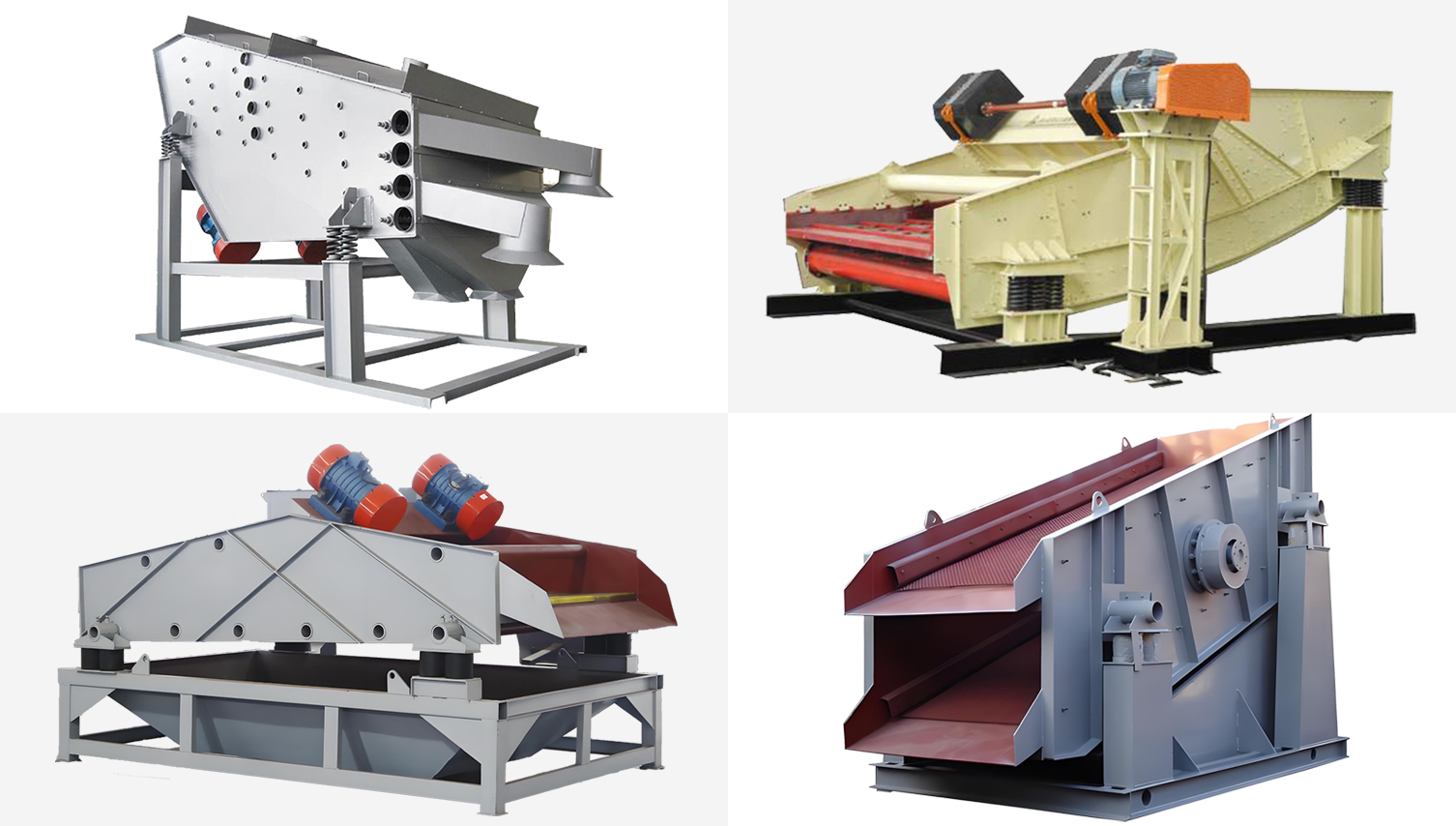
In the design logic of traditional screening processes, accuracy and capacity have long been considered two opposing, mutually constraining indicators. Take a traditional vibrating screen as an example: it relies on high-frequency excitation to create a jumping motion of material on the screen surface, attempting to achieve rapid screening through high-frequency movements. However, this motion method has inherent physical limitations: as the throughput increases, the material layer thickness increases rapidly, and the bottom material is pushed to the discharge end before even contacting the screen surface, resulting in a large number of qualified particles failing to pass through the screen; conversely, if the feed rate is reduced to pursue accuracy, the equipment's capacity potential is severely suppressed. This "either/or" dilemma is precisely the performance ceiling that traditional screening equipment cannot overcome.
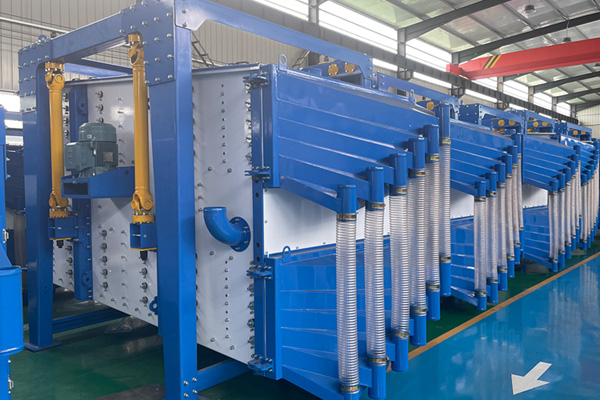
The emergence of the square gyratory screen breaks this dilemma from the fundamental logic of kinematics. It adopts a projectile motion mode that mimics manual screening, using a drive device to make the screen box reciprocate inertial swinging, causing the material to exhibit a uniform circular or elliptical trajectory on the screen surface. The key to this motion mode lies in its low-frequency (typically 180-300 times/minute) and long-stroke (40-60 mm) operating parameter settings, fundamentally different from the high-frequency (typically 800-1500 times/minute) and short-stroke (2-8 mm) motion characteristics of vibrating screens. The material undergoes a "rolling and sliding" process on the square gyratory screen, with the material layer on the screen surface always in a uniformly diffused state. Fine particles continuously sink under gravity and make full contact with the screen mesh, significantly increasing the probability of mesh penetration.
From the perspective of actual process indicators, the square gyratory screen achieves simultaneous optimization of two key parameters. In terms of screening efficiency, for materials with conventional particle sizes, its effective screening rate can stably reach over 95%, and this level can be maintained even with fluctuations in feed rate, while traditional vibrating screens typically only maintain between 75% and 85% under the same conditions. In terms of single-unit processing capacity, the square gyratory screen, with its large-area screen box design and uniform material distribution mechanism, can achieve a processing scale of hundreds of tons per hour with a single unit, and the screening area can be flexibly expanded to tens of square meters. More importantly, high precision and high capacity are no longer a trade-off in the square gyratory screen, but rather a synergistic improvement achieved through precise kinematic design.
For production lines, this transformation means a significant simplification of process configuration. Under the same capacity target, using a square gyratory screen can significantly reduce the number of equipment units, simplify material conveying processes, and reduce intermediate storage requirements, thereby saving floor space while reducing energy consumption and losses during material flow. From a higher perspective, the square gyratory screen represents not merely the optimization of single-unit performance, but a shift in process paradigm—it proves that high precision and large-scale production are not mutually exclusive, providing a completely new technological path for screening process design.
Clearly separated particles, intelligent screening— Mirant Xinxiang Machinery Equipment Co., Ltd.