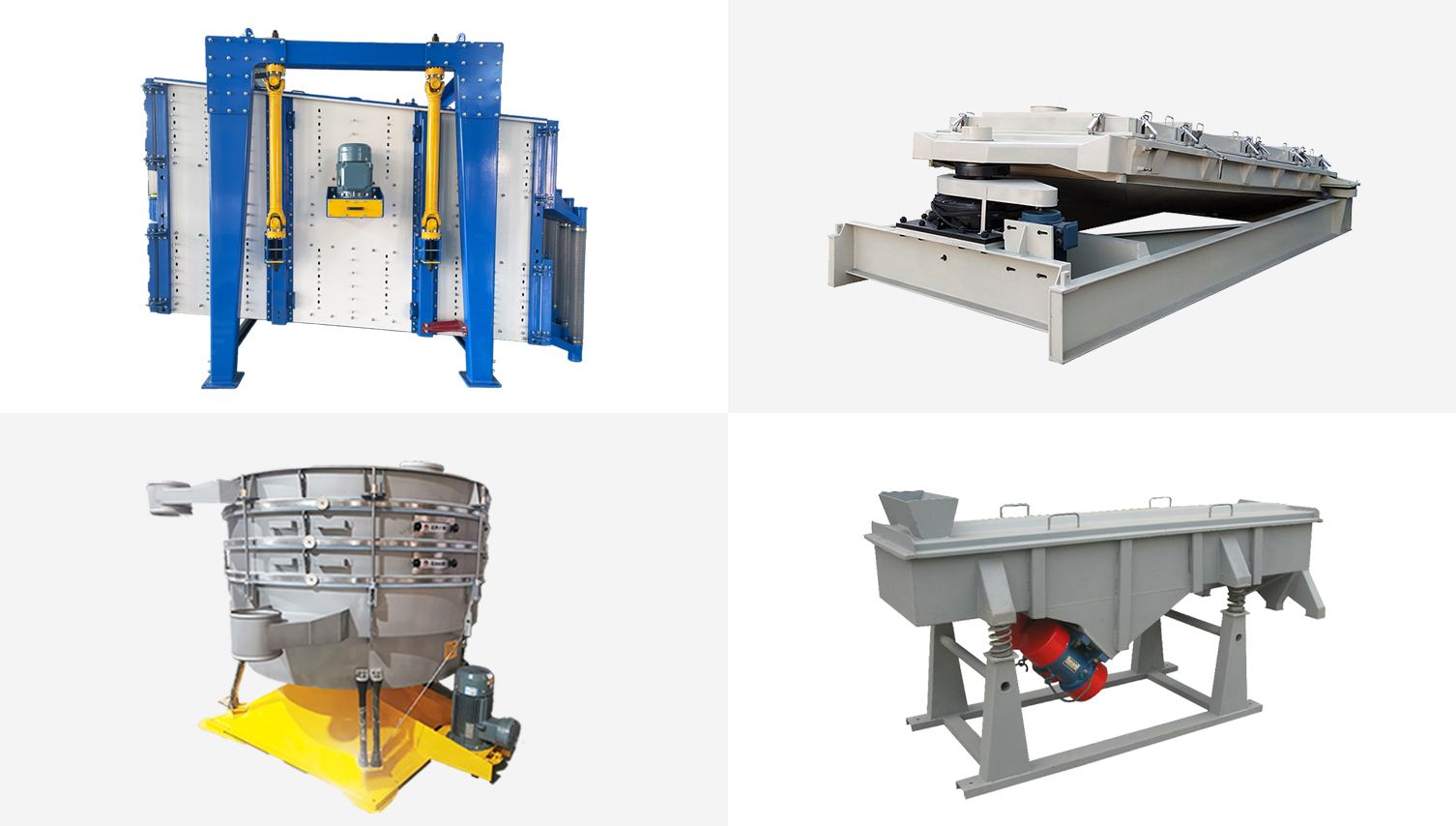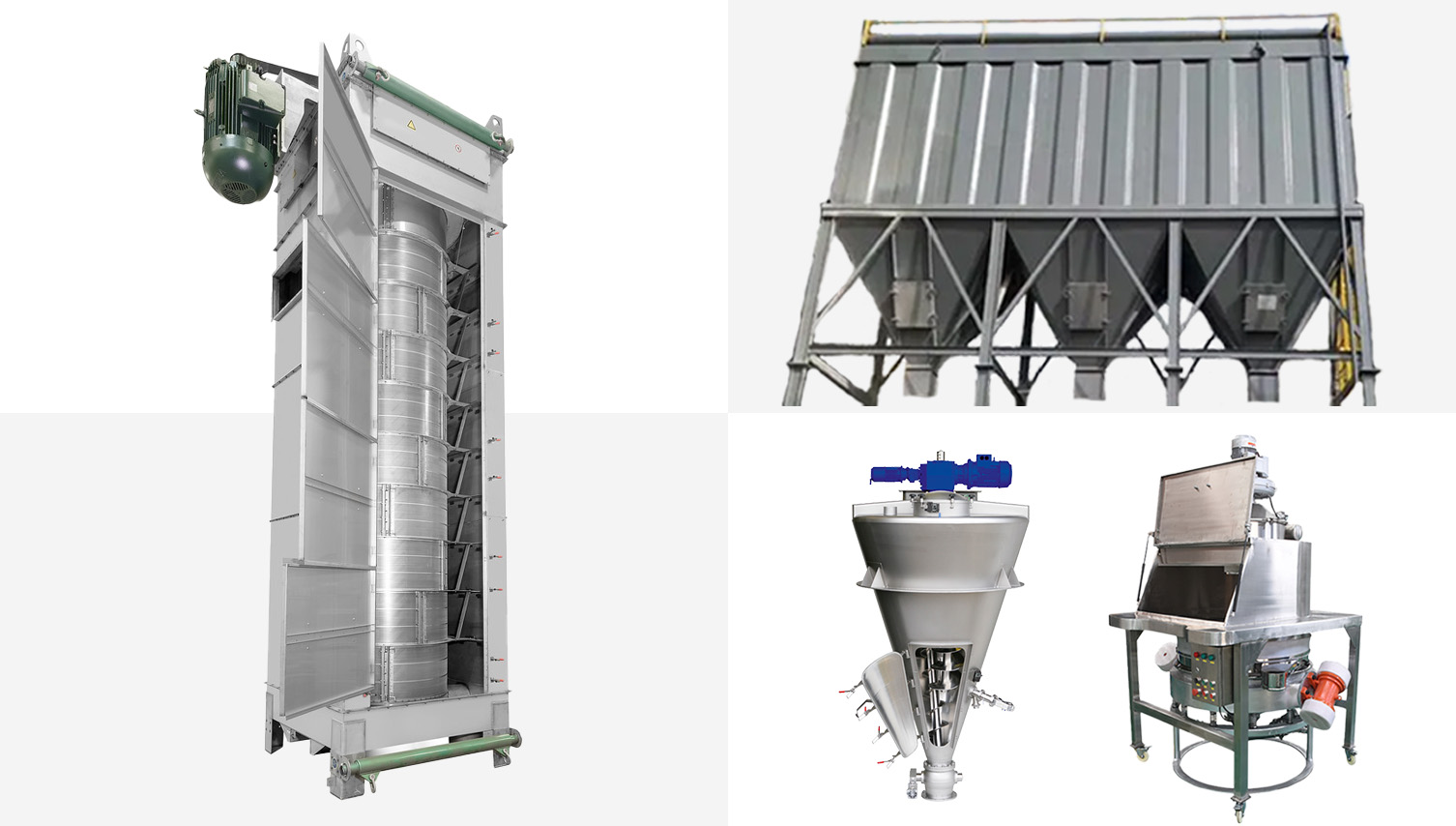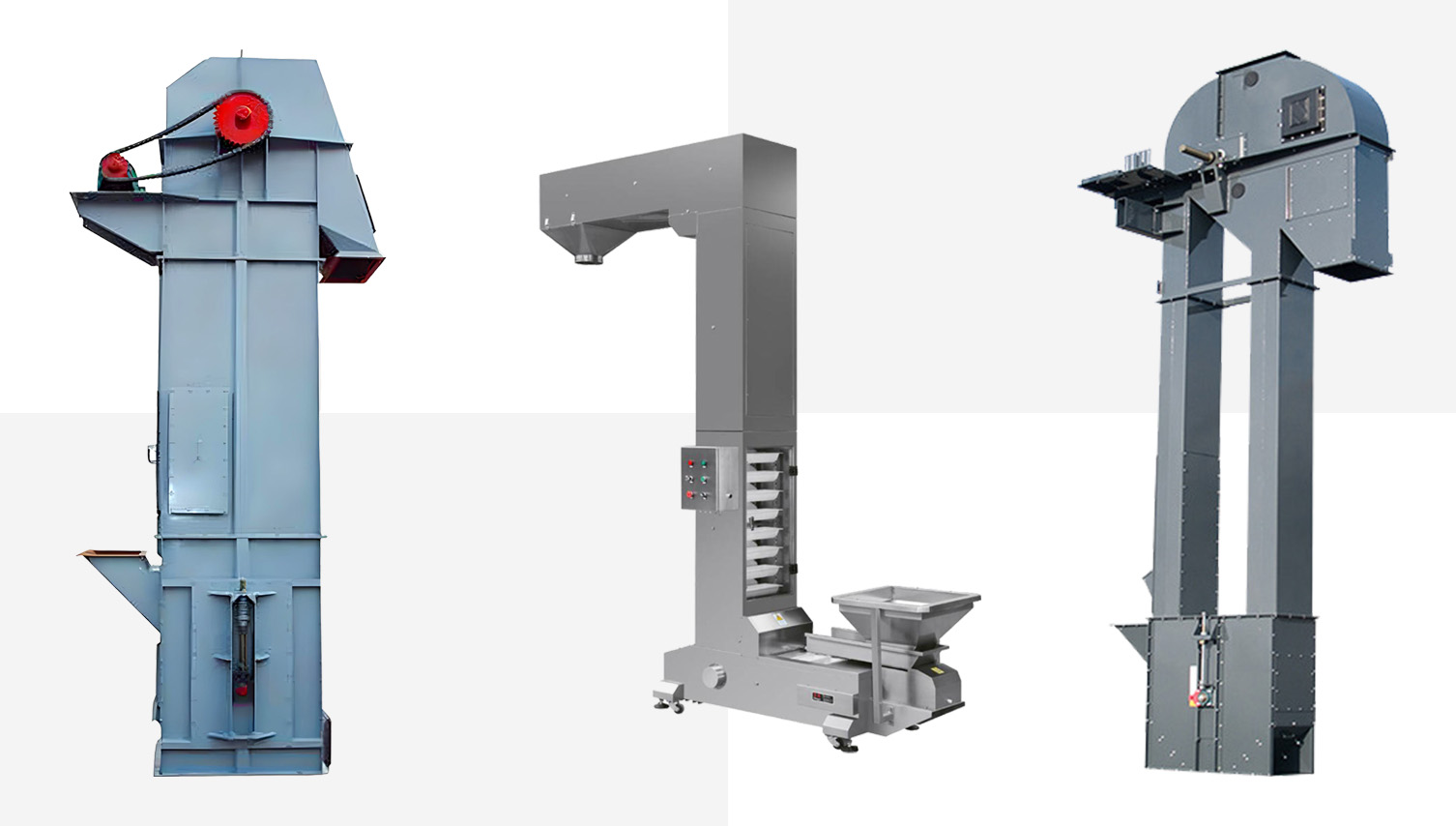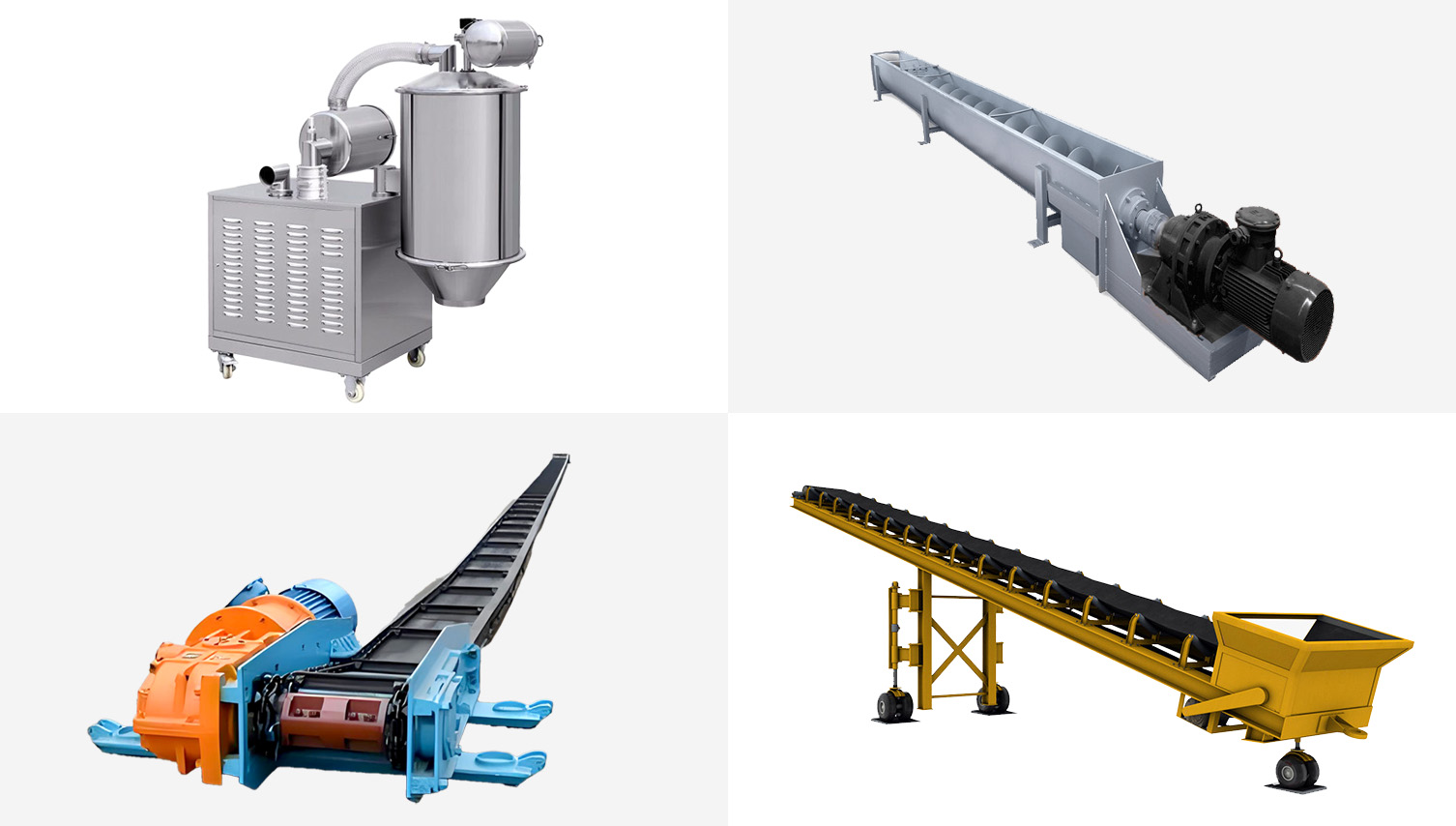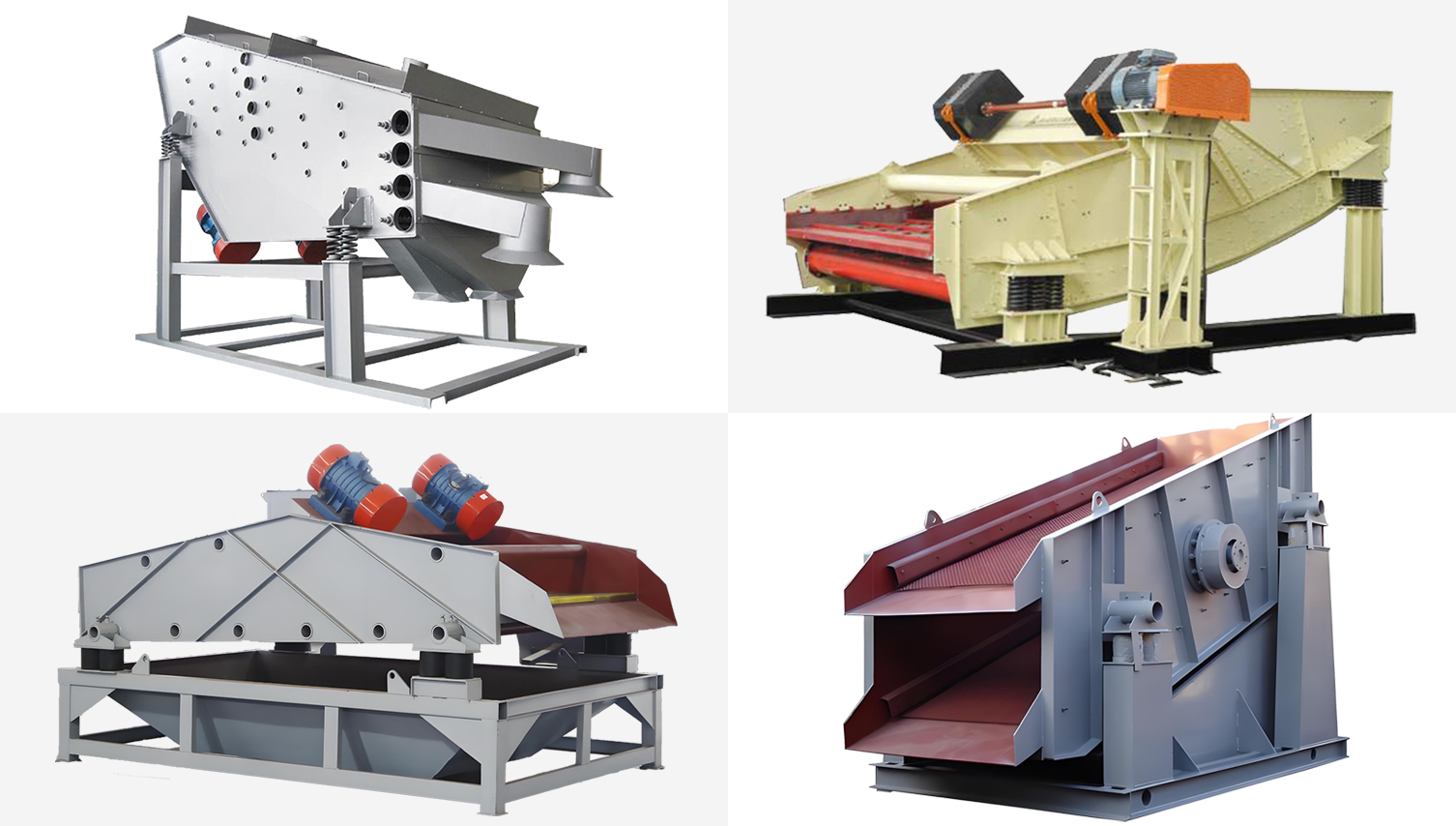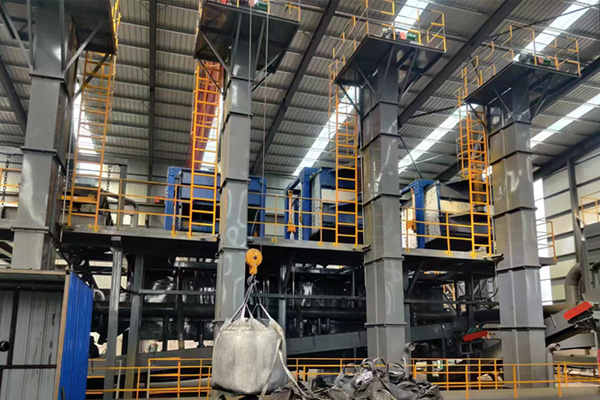
At the starting point of a screening production line, the material conveying method directly affects the overall line's layout efficiency and operational stability. Bucket elevators, with their unique vertical conveying capabilities, play an irreplaceable role in this stage, providing a highly efficient and space-saving feeding solution for screening equipment.
Usage Method:
In this setup, the bucket elevator is typically installed after the raw material silo or underground receiving pit. Its discharge port is connected to the inlet of the screening equipment via a chute or direct connection. Bulk materials are fed into the lower inlet and evenly loaded into the buckets of the bucket elevator. The buckets then move vertically upwards with the traction chain (or belt), lifting the material to a high position. Finally, relying on gravity or centrifugal force, the material is discharged from the discharge port and precisely falls into the downstream screening equipment. By adjusting the operating speed of the bucket elevator, preliminary control of the feed flow rate can be achieved, ensuring that the screening machine is always in optimal working condition.
Key Advantages and Features:
1. Significantly Reduced Footprint and Optimized Production Line Layout: Compared to traditional inclined belt conveyors, bucket elevators utilize a vertical lifting method, occupying only the projected area of the equipment itself. This allows screening production lines to have a three-dimensional layout of raw material silos, screening machines, and finished product silos, greatly saving valuable factory floor space, especially suitable for scenarios with limited space or where a compact production line is desired.
2. Achieved High-Level Feeding and Improved Screening Efficiency: Bucket elevators can lift materials to the required height at the screening machine's inlet, ensuring the material receives a certain initial velocity and uniform distribution upon entering the screen box. Compared to low-level forced feeding, this high-level free-fall feeding method helps the material distribute more evenly on the screen surface, reducing the localized impact of material accumulation on the screen mesh, thereby improving screening efficiency and screen lifespan.
3. Adaptable to various material characteristics, stable and reliable conveying: Bucket elevators can be equipped with different types of buckets (such as shallow buckets, deep buckets, arc-bottom buckets, etc.) and traction components (ring chains, plate chains, belts, etc.) according to the material characteristics, adapting to various bulk materials from powder to lumps, and from dry to slightly moist. Its enclosed structure and stable operation ensure continuous and reliable feeding of screening equipment, avoiding adverse effects on subsequent screening processes due to interruptions or fluctuations in feeding.
As a vertical feeding device at the front end of a screening production line, the bucket elevator, with its significant advantages of space saving, high-level feeding, and stable reliability, lays a solid foundation for the scientific layout and efficient operation of the entire production line. It is not merely a simple material handling tool, but a key link in realizing the transformation of the process flow from "planar extension" to "three-dimensional integration," providing strong support for improving the overall efficiency of the production line.