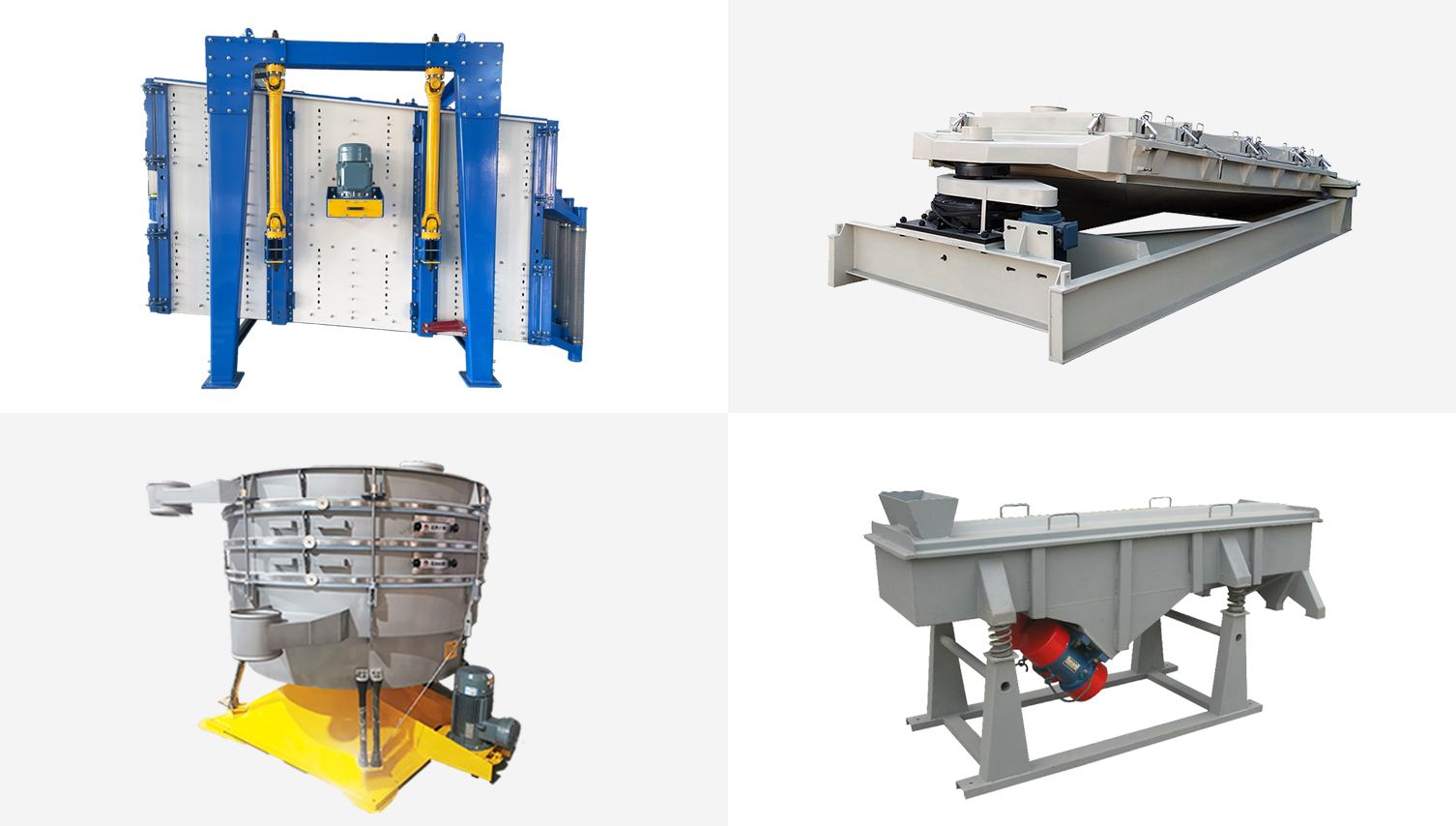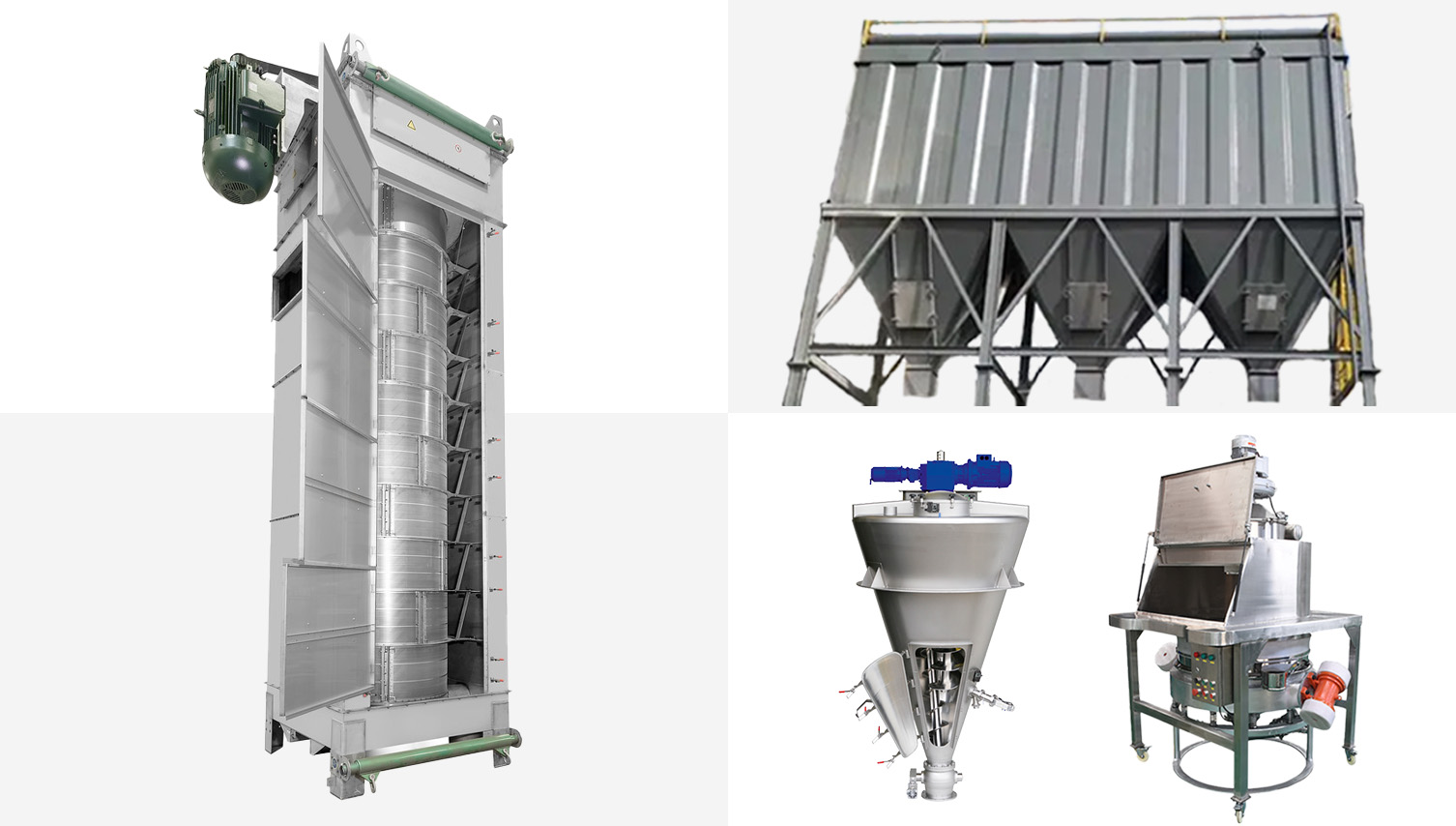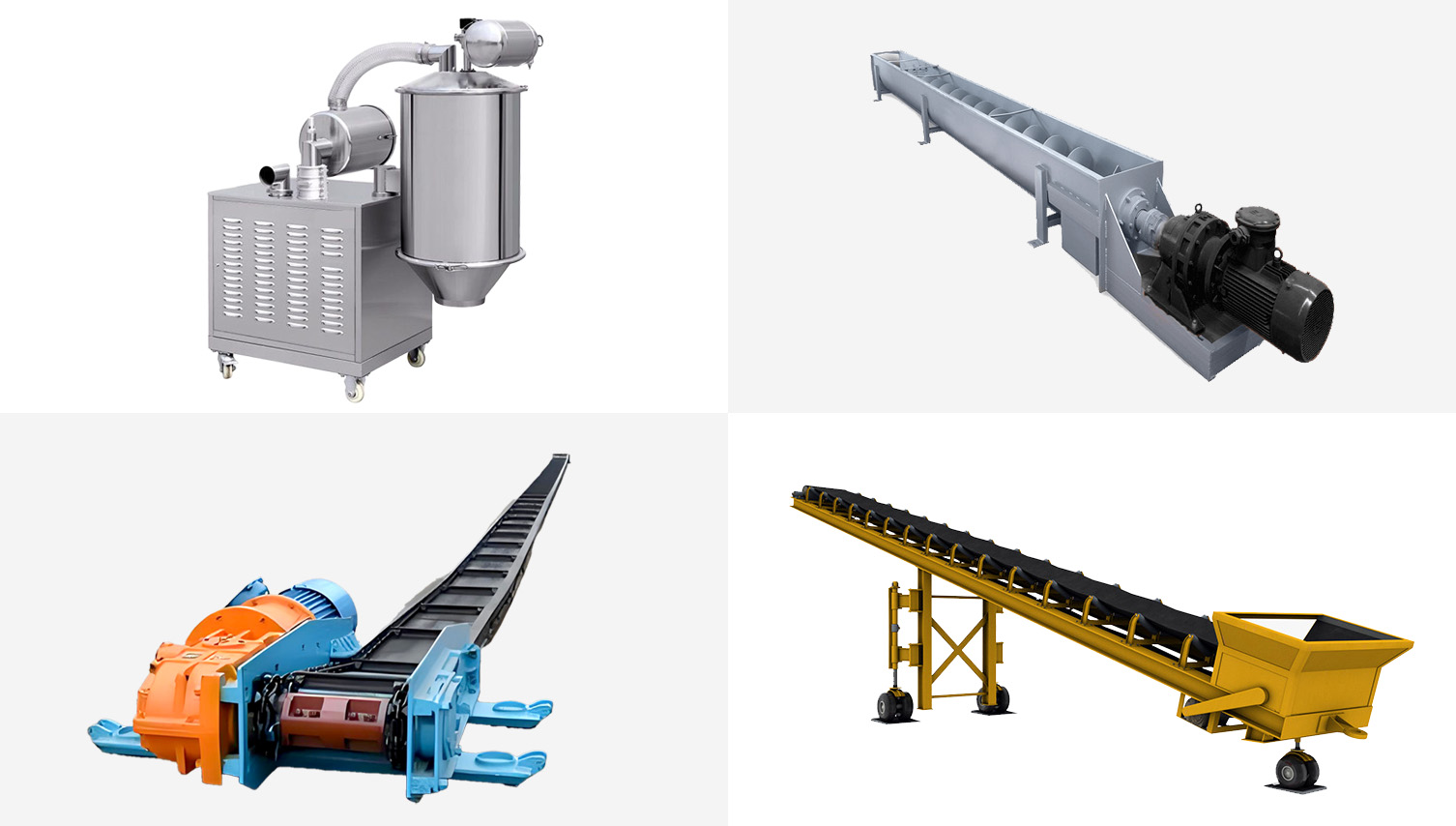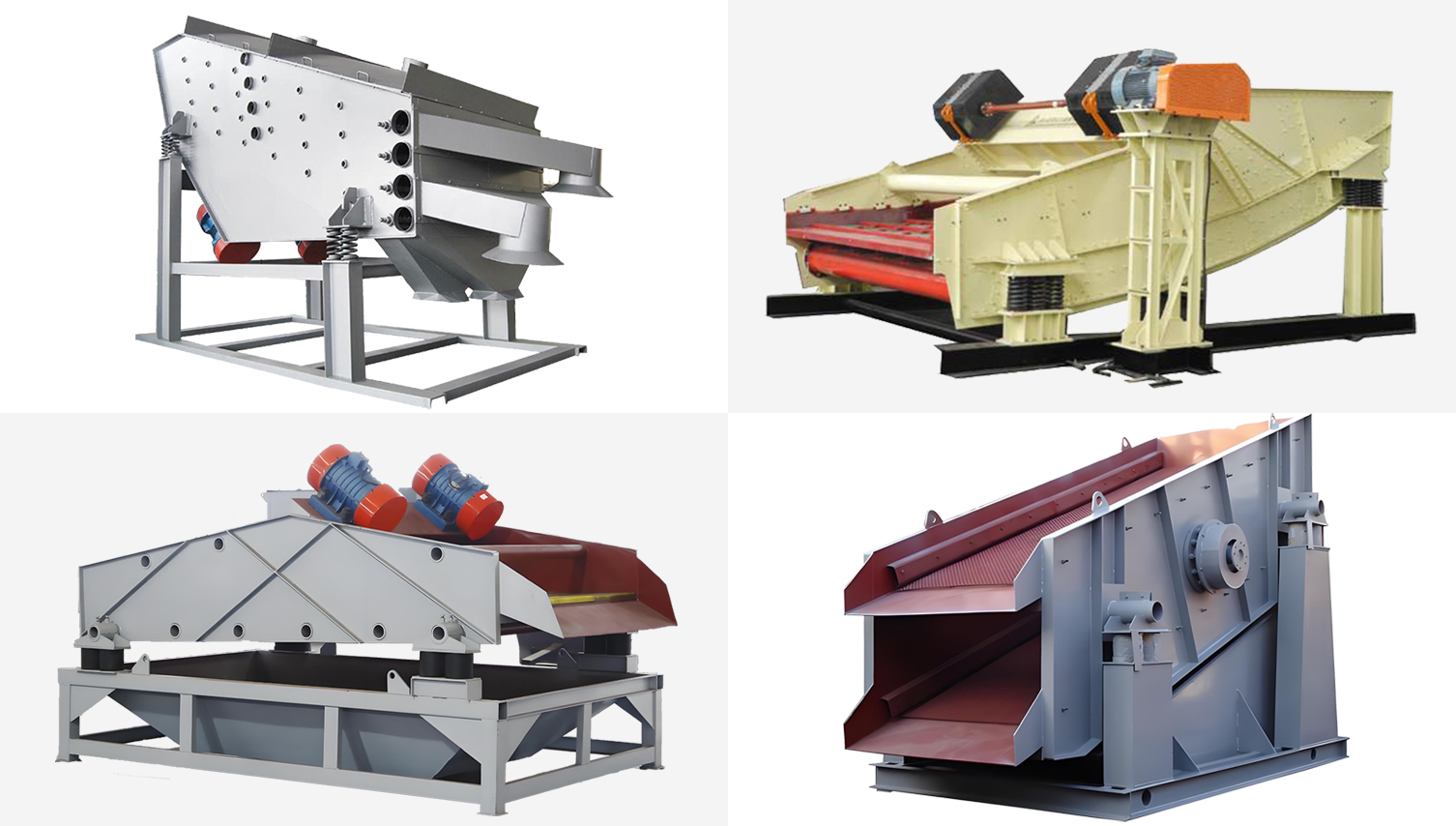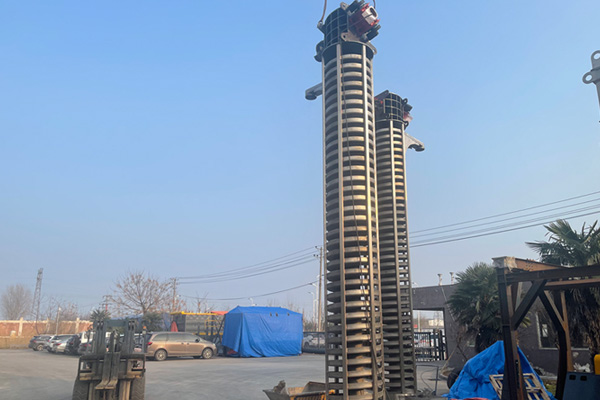
In modern screening production lines, the rationality of the process layout directly determines the smoothness of the production line and the land utilization rate. Traditional screening operations often rely on long-distance belt conveyors to transfer materials between screening machines. This planar layout not only occupies a large amount of valuable factory space, but also, due to the long conveying distance and numerous turning points, easily leads to secondary dust generation and power loss during material transmission. The introduction of vertical elevators fundamentally breaks this limitation.
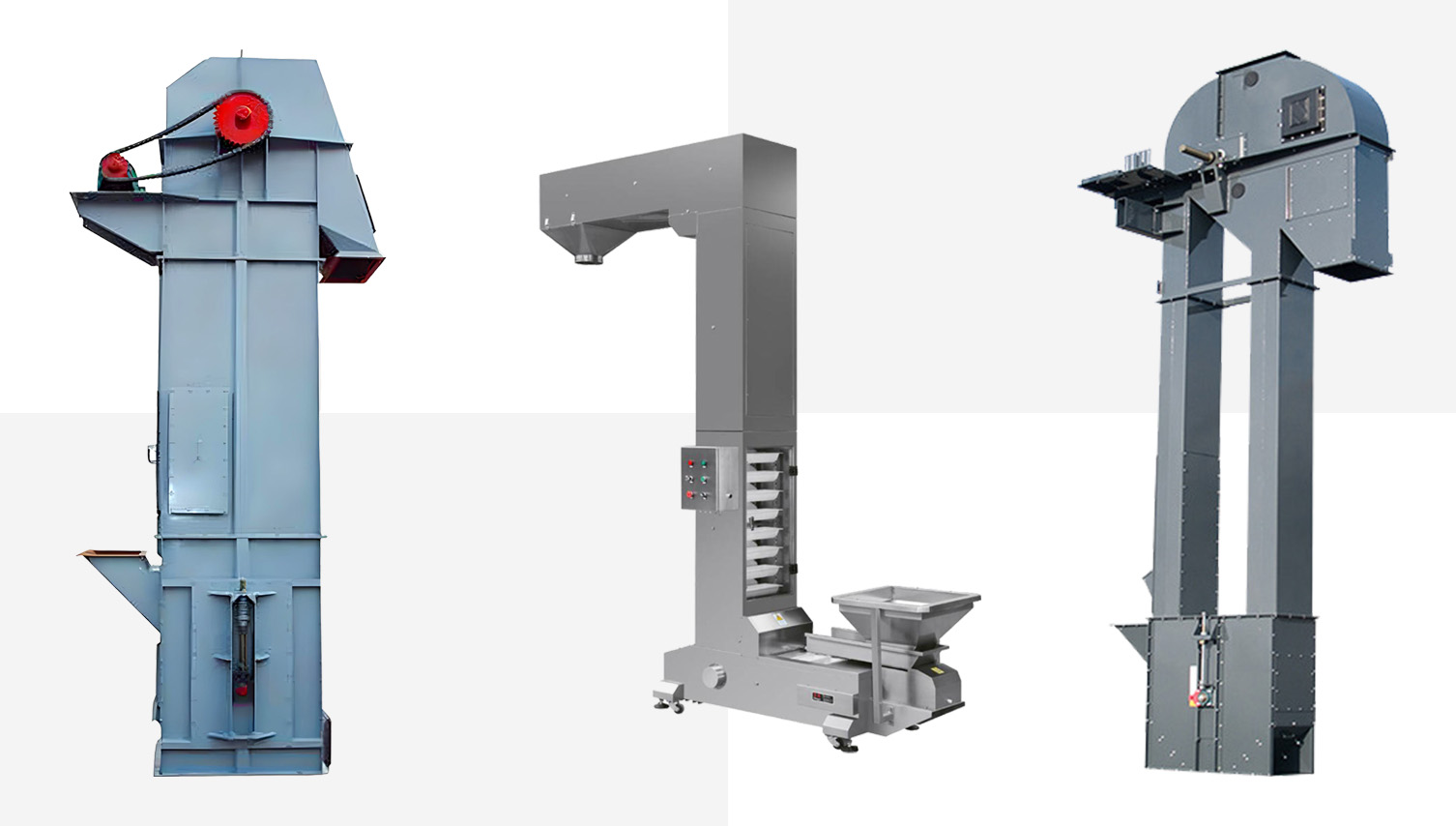
Vertical elevators perfectly solve this problem with their unique "vibration" or "entrainment" conveying principle. For vibrating vertical elevators, the excitation force generated by the vibrating motor causes the material to continuously and smoothly jump or slide upwards on the spiral groove. The material and the conveying surface have flexible contact, without relative sliding or compression, preserving the original particle size and surface integrity of the material to the greatest extent. This "zero-breakage" conveying characteristic ensures that the quality of the finished product after screening is fully preserved, directly improving the yield of high-quality products.
Its core advantage lies in achieving "three-dimensional" material conveying. By precisely docking with the screening machine, the vertical elevator can directly and vertically lift the discharge from the lower screening machine to the upper screening equipment or the inlet of the next process stage, completely replacing the cumbersome inclined conveyor belt. This "converting length into height" design allows the entire production line to be arranged in a compact modular layout around the vertical elevator, significantly reducing the equipment's footprint and enabling the use of multi-story factory buildings, effectively reducing infrastructure investment costs.
Furthermore, the vertical elevator demonstrates a high degree of adaptability to the screening process during conveying. Its uniform and stable vertical conveying method avoids rolling, slippage, and secondary mixing of materials during long-distance belt conveying, ensuring clear particle size boundaries of materials at each stage after screening and preventing "material cross-contamination."
As the vertical feeding equipment at the front end of the screening production line, the vertical elevator, with its significant advantages of space saving, flexible feeding, and closed environmental protection, provides strong support for the scientific layout and efficient operation of the entire production line. It is not only an efficient tool for vertical material conveying, but also a key piece of equipment for realizing the transformation of the screening process from "planar extension" to "three-dimensional integration", opening up new possibilities for the refined design of modern production lines.