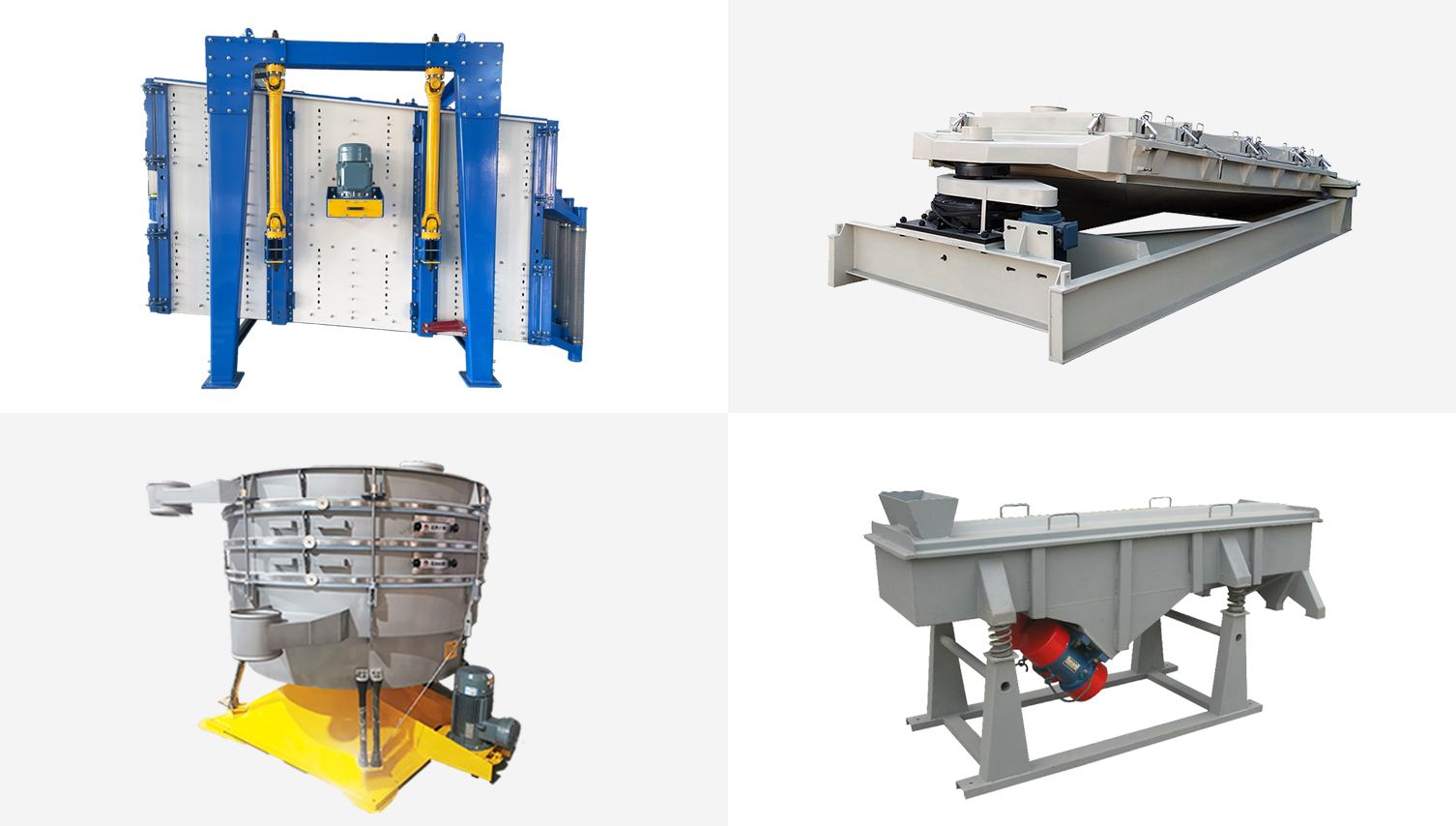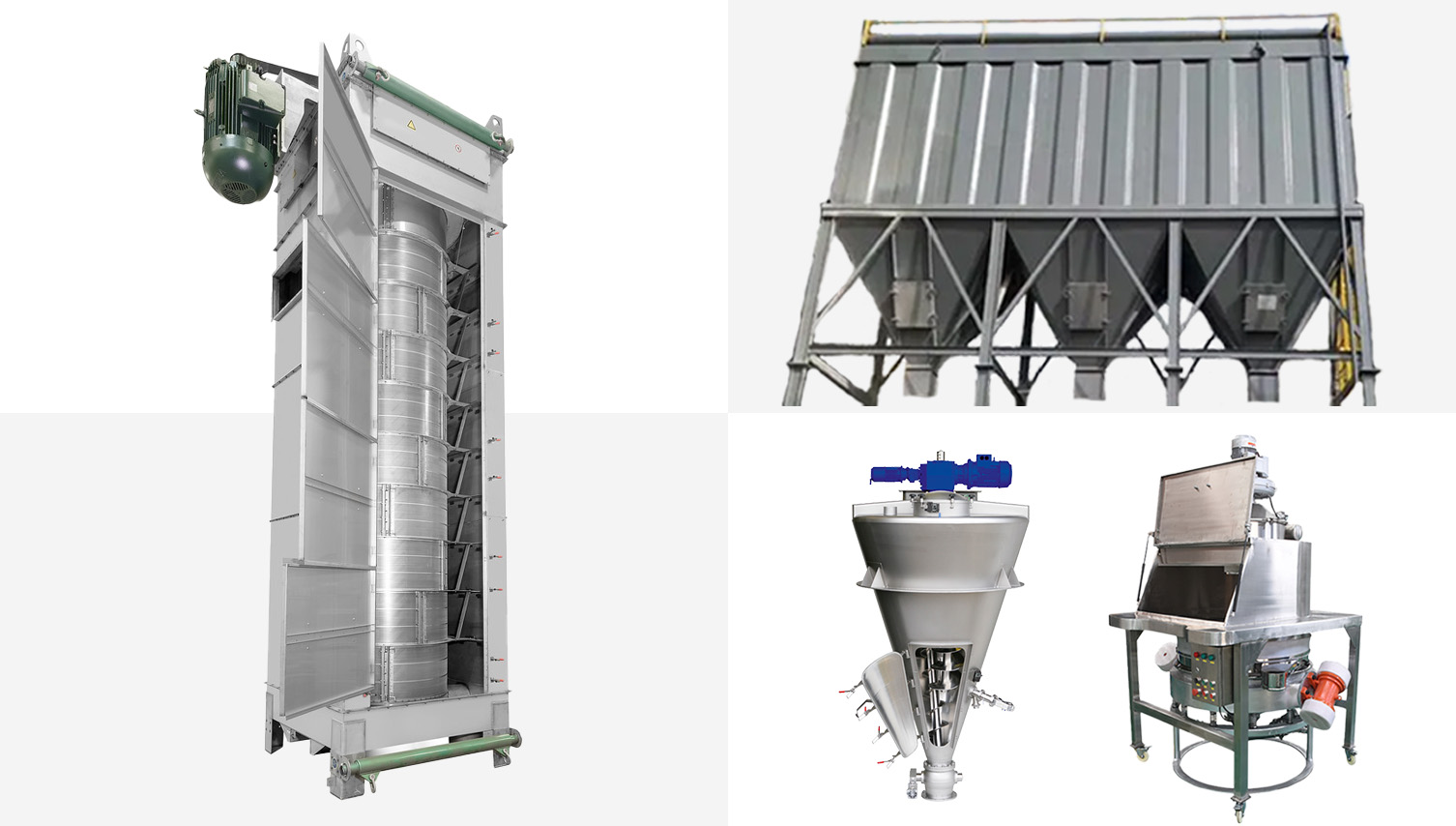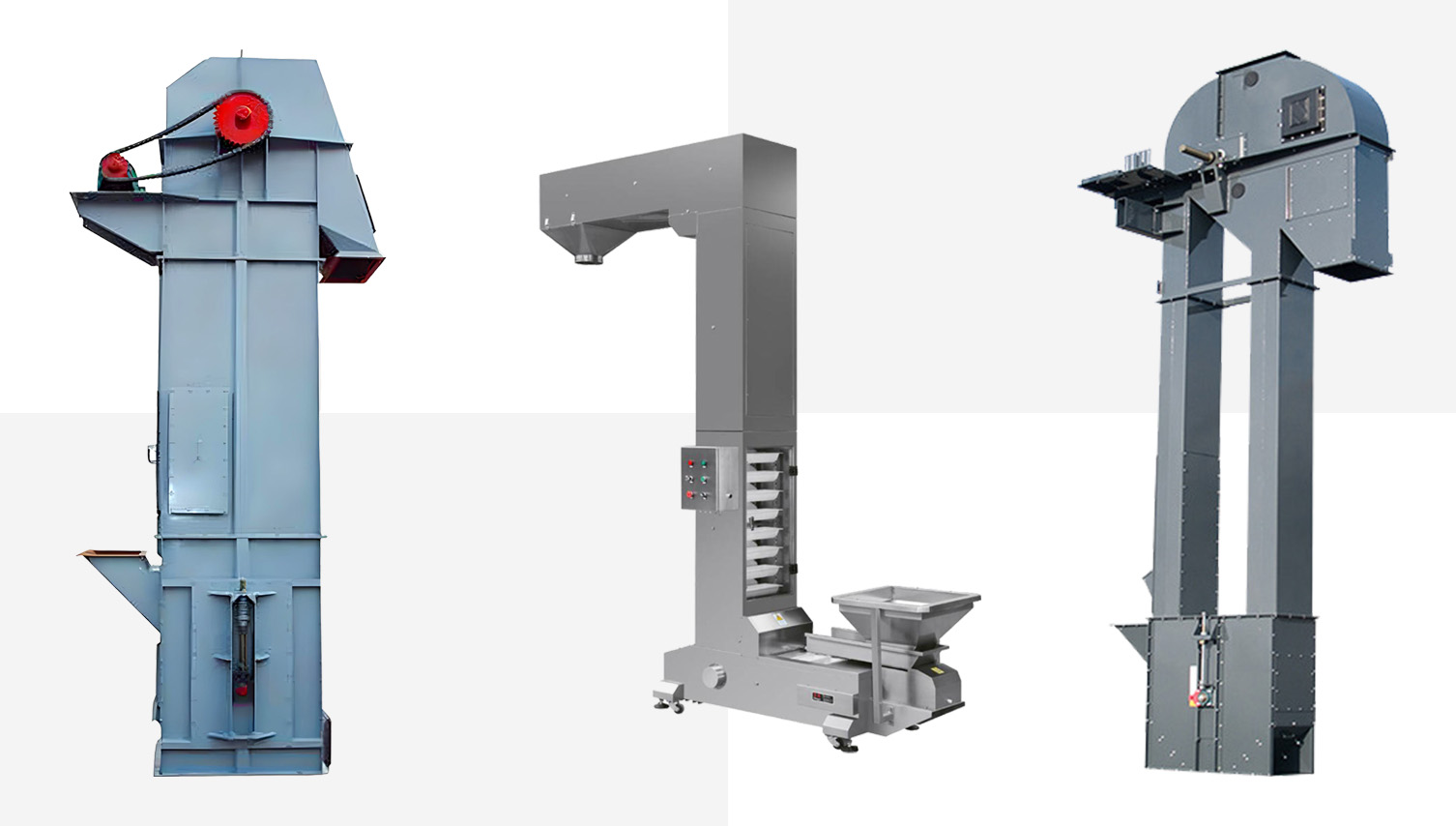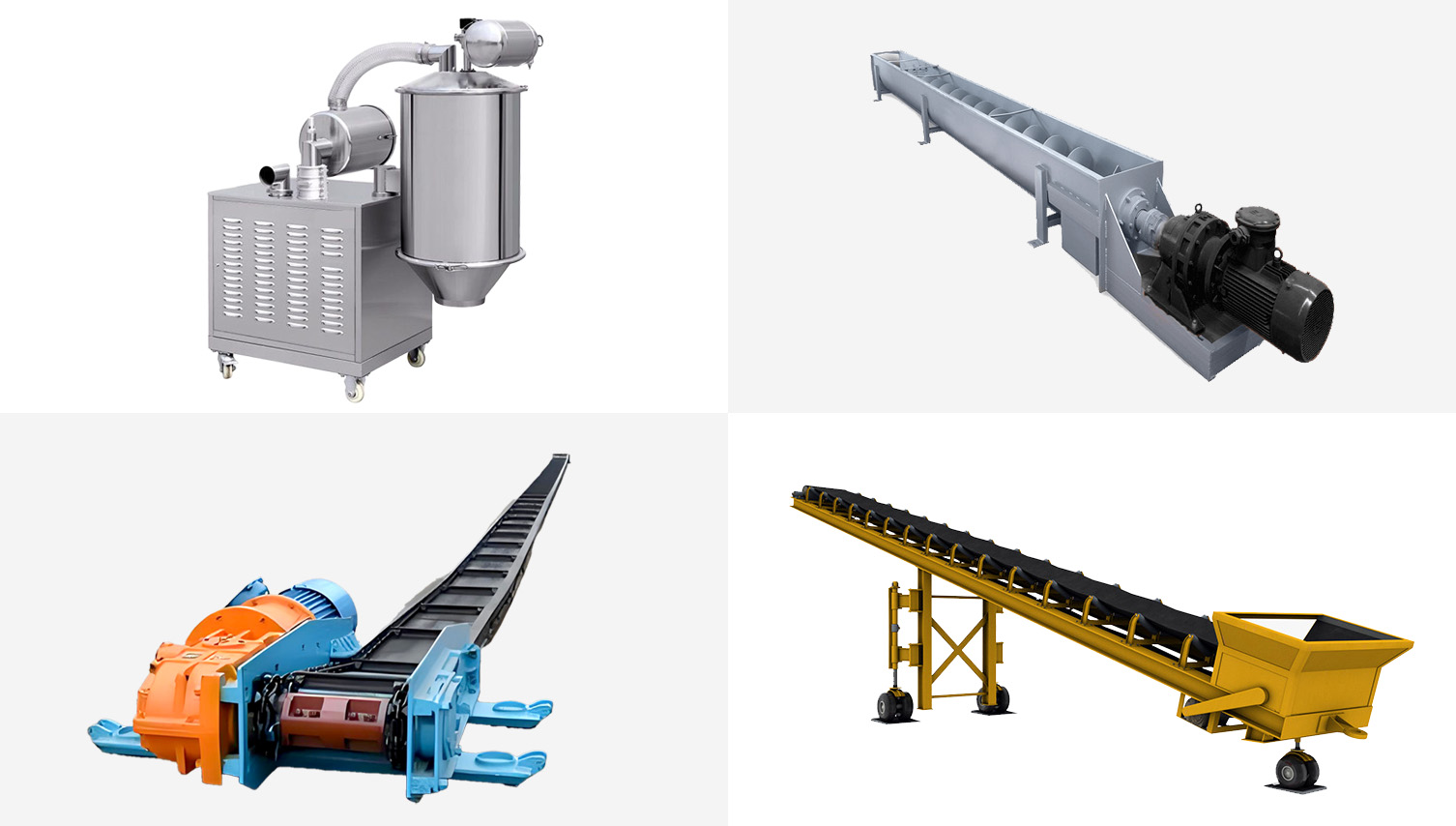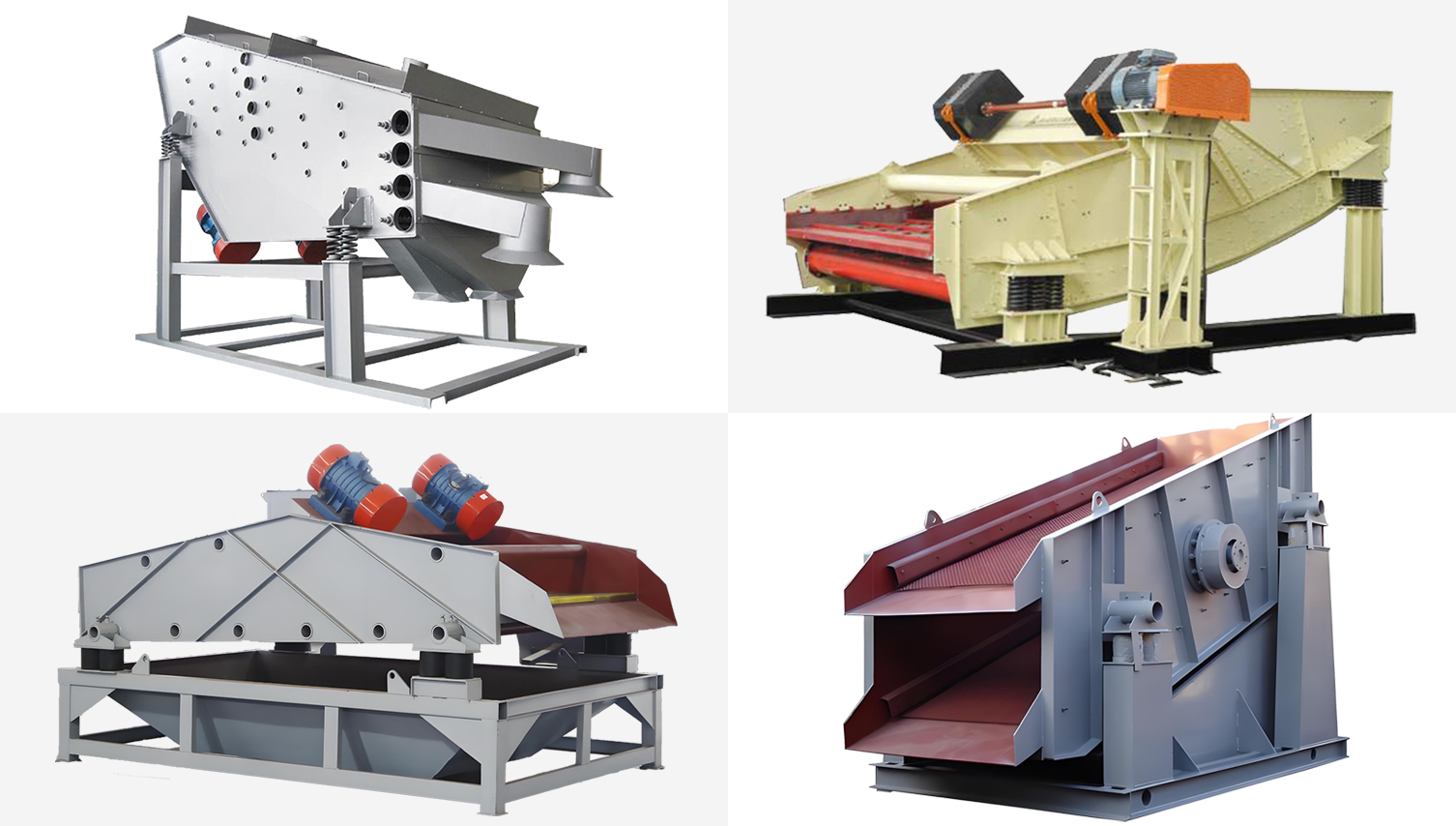
Traditional screening production lines suffer from two long-standing pain points for managers: high equipment failure rates and material breakage. While seemingly independent, these issues stem from the same underlying technology – high-frequency, high-intensity vibration. Vibrating screens rely on high-frequency vibrations generated by the vibrator to propel materials forward. During this process, the equipment endures continuous high stress loads, causing key components such as the connection between the screen and frame, spring supports, and vibrator bearings to experience fatigue and frequent failures. Simultaneously, repeated impacts of material particles on the screen during throwing result in high breakage rates, especially for brittle materials or those requiring intact surfaces, directly impacting product quality and economic efficiency.
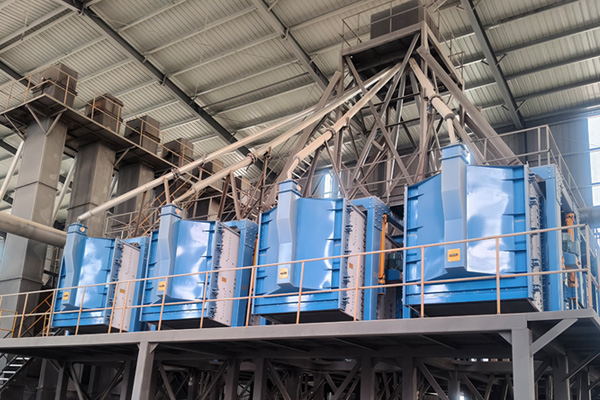
The square gyratory screen, with its "soft screening" mechanism, fundamentally solves these dual problems. Its core characteristics are "low frequency, stability, and controllability." During operation, the material is not thrown up on the screen surface but rather slides and rolls slowly under the traction of the screen. The contact between particles and the screen changes from "point impact" to "surface friction," significantly reducing impact energy. Taking the screening of brittle materials as an example, the breakage rate of traditional vibrating screens is often between 3% and 8%, while that of square gyratory screens can be controlled to within 0.5%. This difference translates into considerable economic benefits for high-value-added products.
In terms of equipment durability, square gyratory screens also offer significant advantages. By eliminating the high-frequency excitation structure, the stress mode of the equipment changes from high-frequency alternating stress to low-frequency stable load, resulting in a substantial reduction in stress levels in key components such as the screen box, screen frame, and support structure. The wear pattern of the screen mesh also undergoes a fundamental change: under traditional vibrating screens, the screen mesh mainly fractures rapidly due to high-frequency impact, with replacement cycles typically measured in hours or days; while on square gyratory screens, screen wear is primarily uniform surface wear, extending the service life to 3-5 times that of traditional equipment. Complementing this is a comprehensive reduction in maintenance costs—including expenditures on screen spare parts, labor costs for downtime maintenance, and production interruption losses due to equipment failure—all are effectively controlled.
From the perspective of production line operation, the upgraded value of this "flexible screening" is reflected on two levels. Firstly, production stability is significantly improved. The reduced equipment failure rate means the production line can maintain a higher continuous operating rate, avoiding production plan disruptions and order delivery delays caused by sudden shutdowns. Secondly, product quality consistency and reliability are guaranteed. The reduced material breakage rate not only decreases defective product losses, but more importantly, ensures the stability of product particle shape and size. This directly impacts the stable operation of downstream processes and the quality performance of the final product. In short, the square gyratory screen, through a redesign of its motion mechanism, achieves "dual protection" for both equipment and materials, transforming the screening process from a "vulnerable point" in the production line into a "stabilizer."
Clearly separated particles, intelligent screening – Mirant Xinxiang Machinery Equipment Co., Ltd.