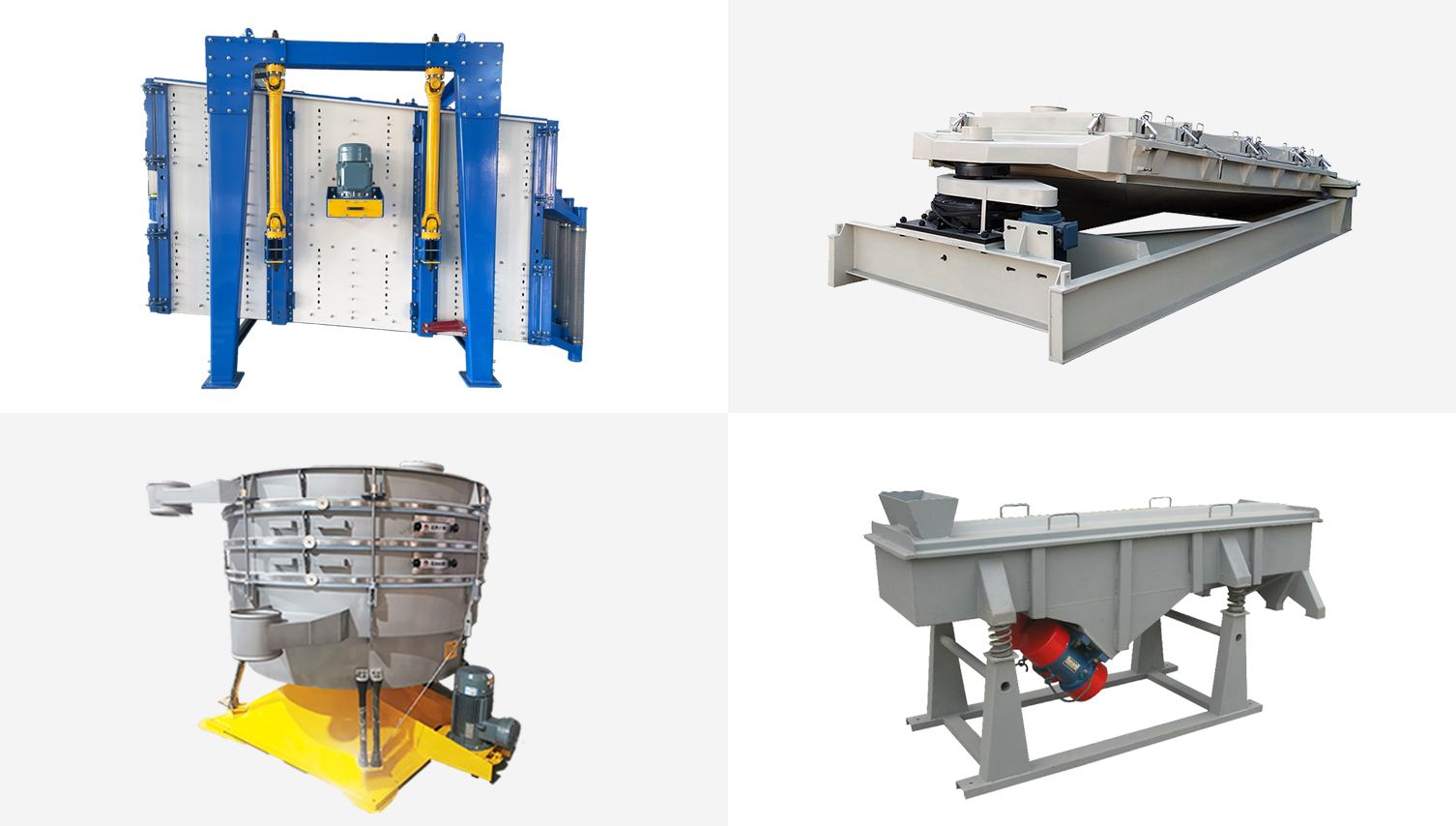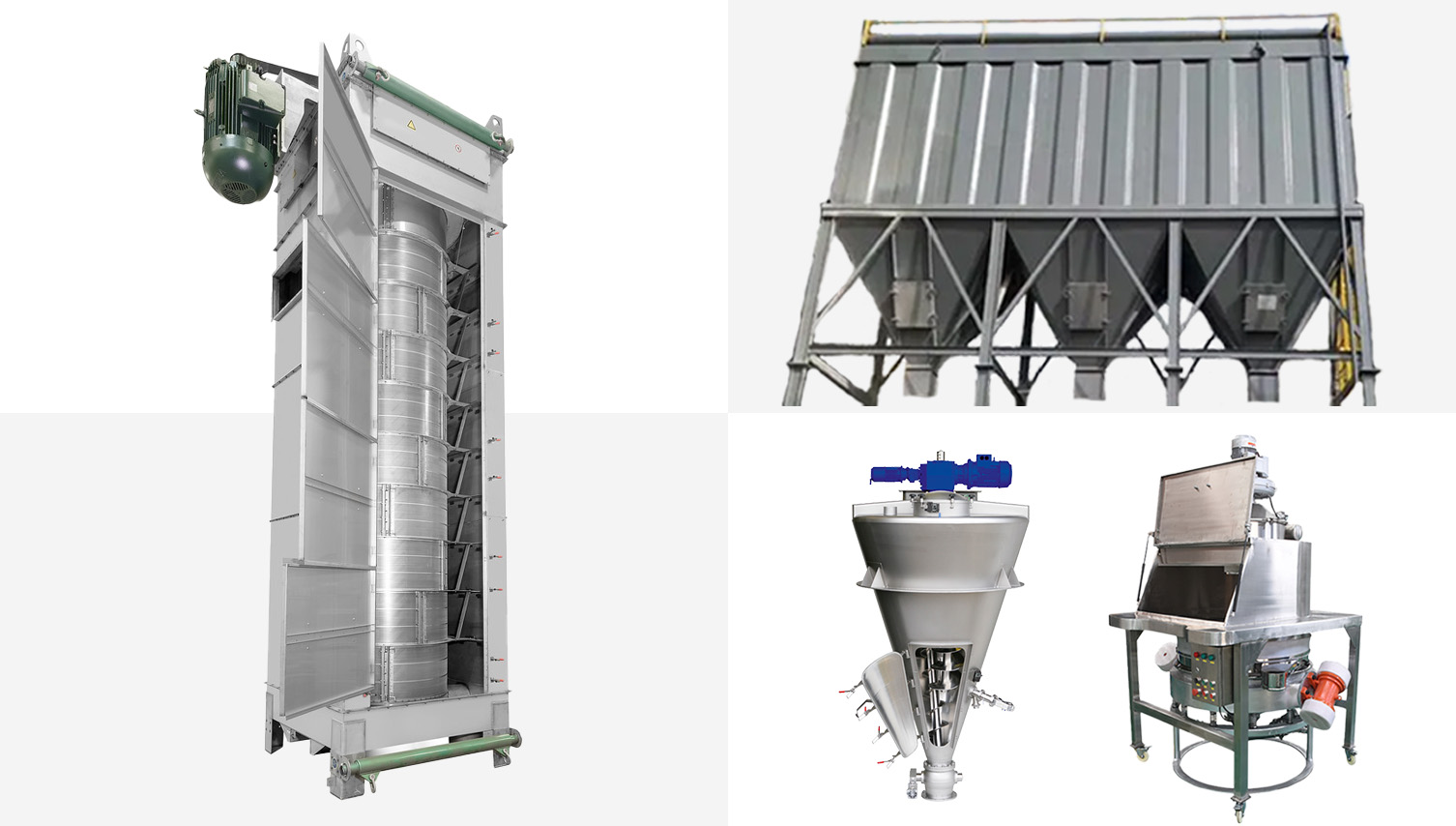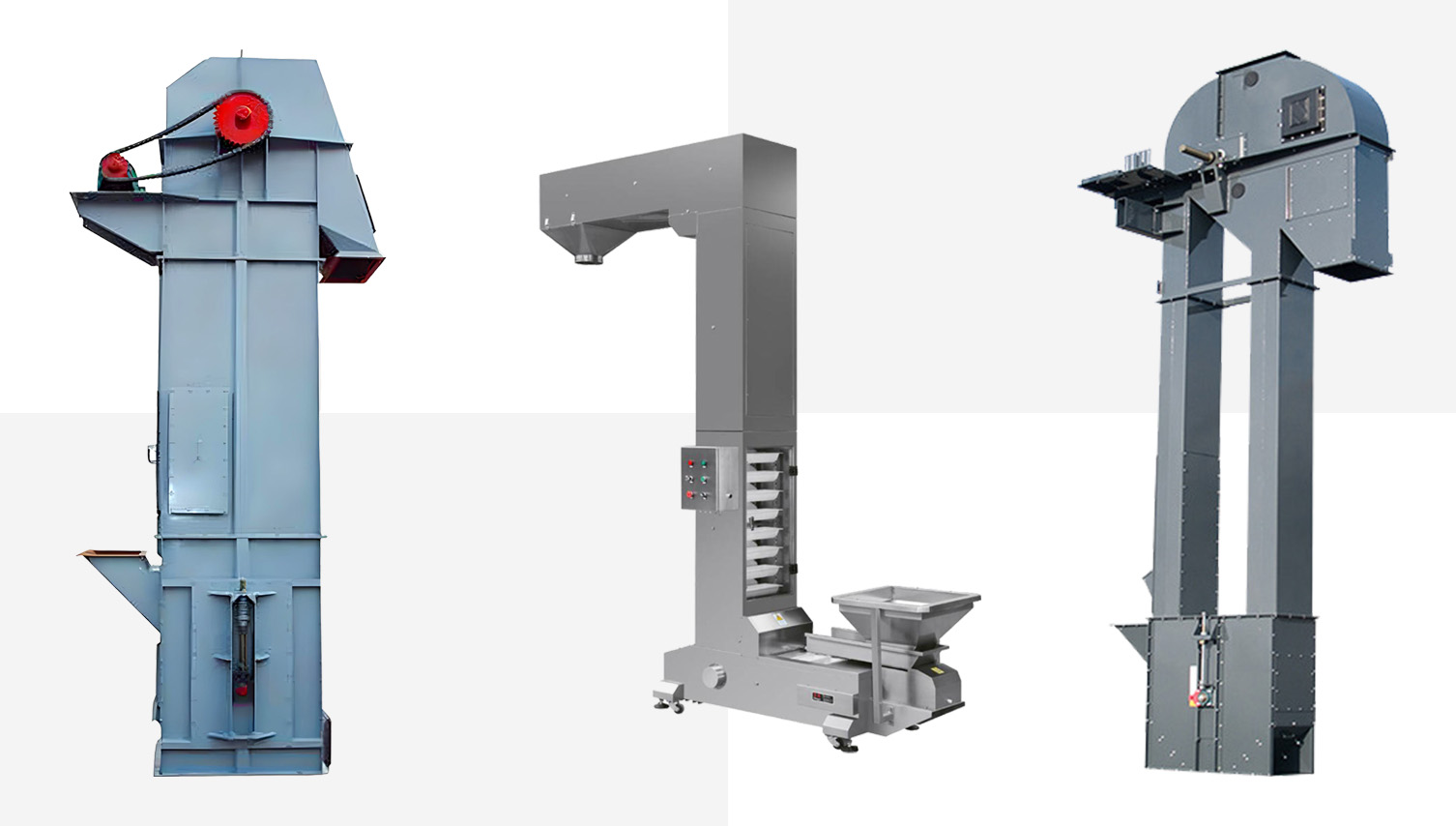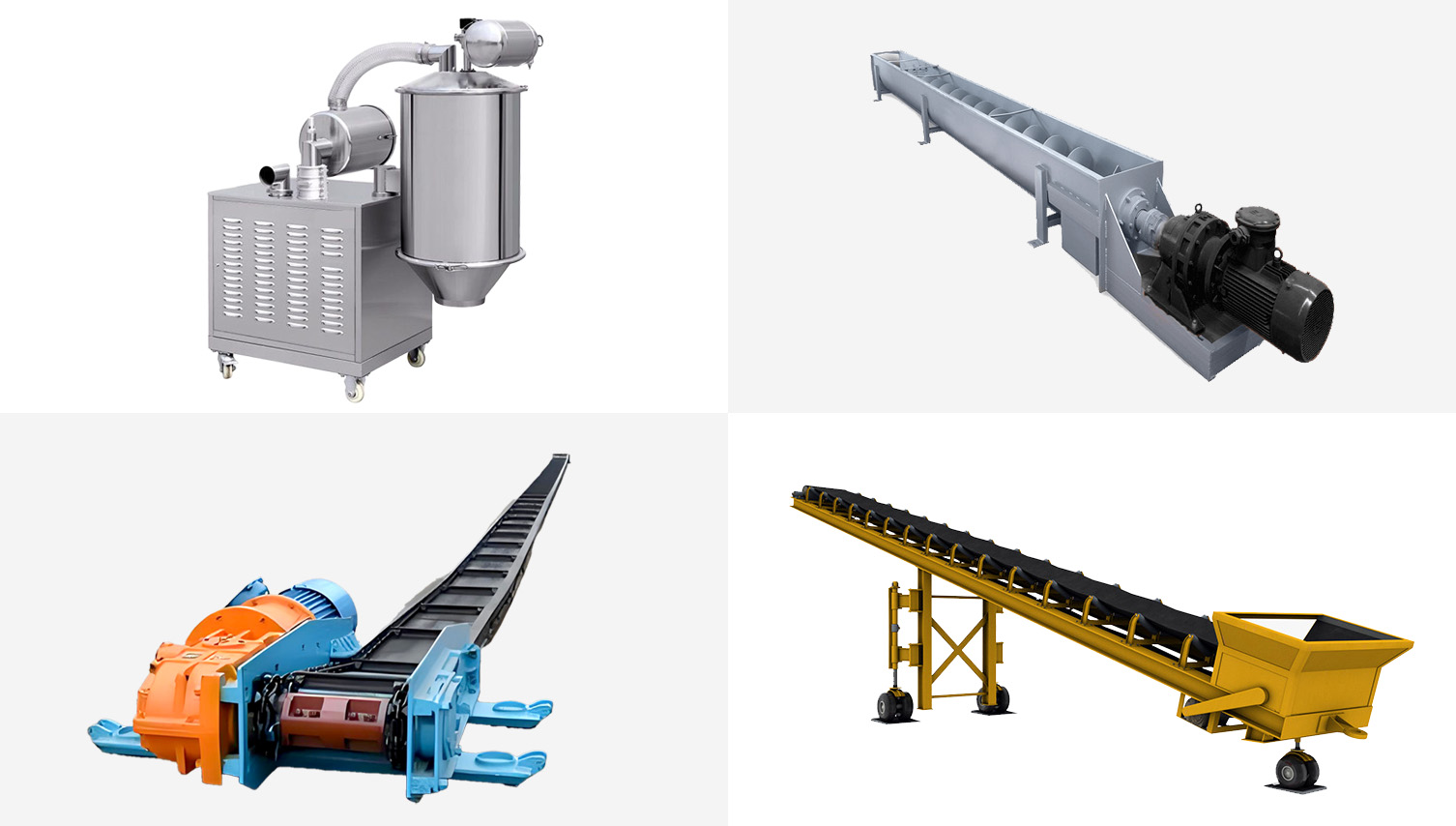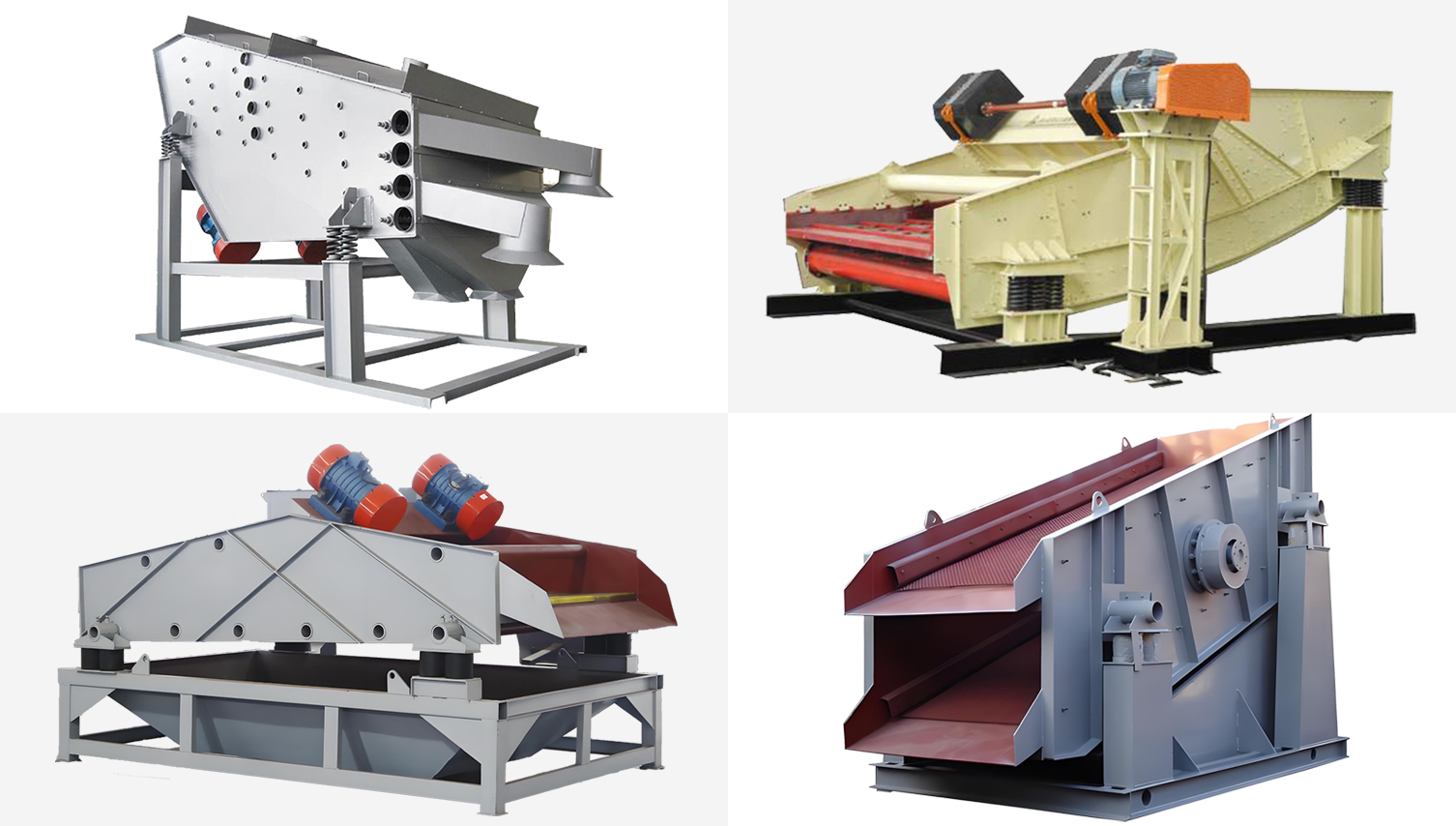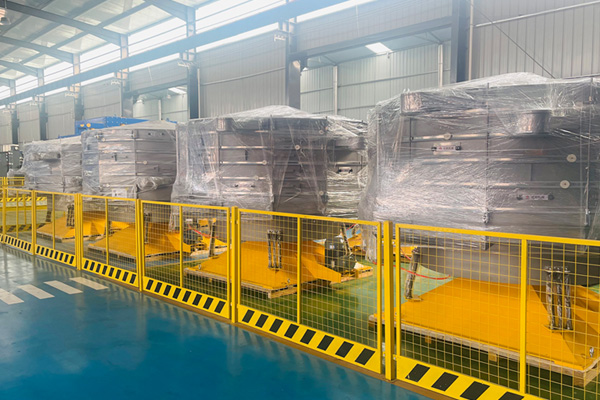
For businesses, equipment upgrades should not only focus on technological advancement but also on economic viability. In the long run, upgrading a screening production line from traditional equipment to circular gyratory screens is a highly rewarding investment. This return is reflected in the comprehensive optimization of energy consumption, maintenance, labor, and overall operating costs.
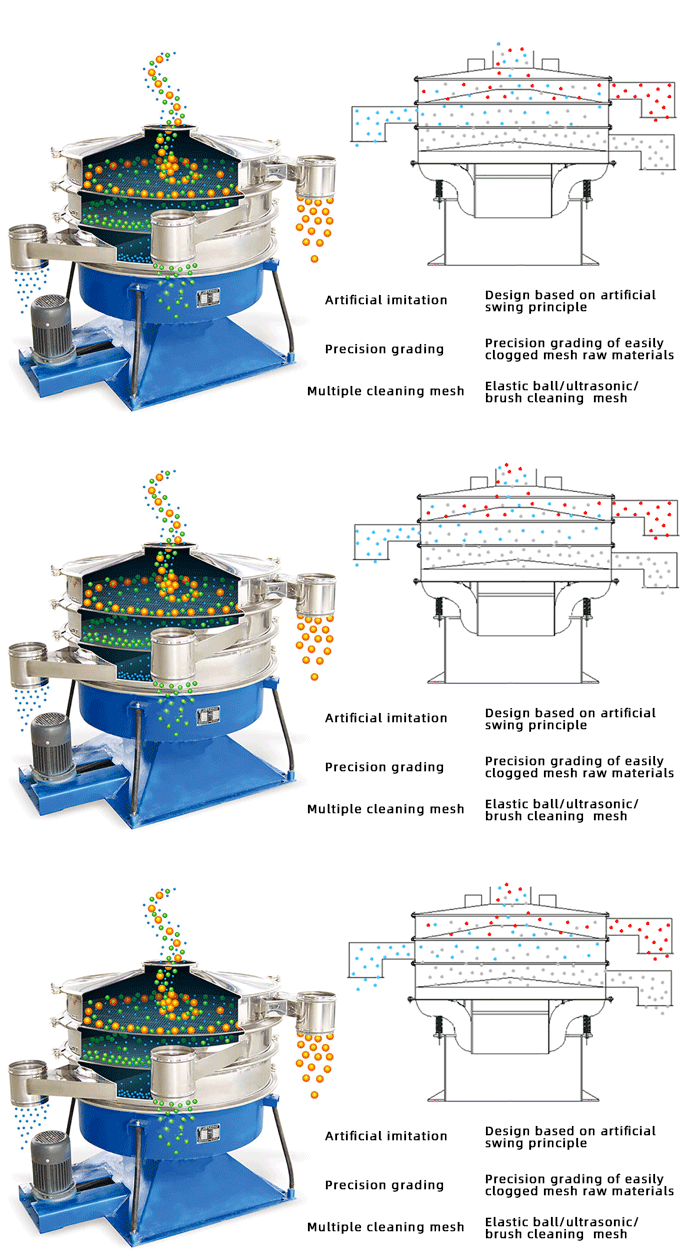
Operating Principle: Low-Energy "Flexible" Transmission
The operating principle of the tumbler screen determines its energy consumption is far lower than traditional equipment. Traditional vibrating screens rely on high-power motors to drive eccentric blocks to generate violent vibrations, resulting in high motor power and high starting current. In contrast, the tumbler screen uses a low-power motor drive, storing and amplifying the gyratory torque through pulleys and an inertial flywheel. This "small horse pulling a large cart" drive method means that the installed power of a tumbler screen for the same screening area is typically only 1/2 or even 1/3 of that of a traditional vibrating screen. Under long-term continuous operation, considerable cost savings can be achieved in electricity alone.
Core Advantages of the Upgraded tumbler Screen:
1. Extremely Low Structural Loss: High-frequency vibration not only consumes electrical energy but also translates into destructive forces on the equipment itself. Traditional vibrating screens often face problems such as beam breakage, side plate cracking, and spring fatigue during use. Due to its low motion frequency and small impact force, the circular gyratory screen experiences uniform stress throughout the machine, resulting in almost no fatigue damage to the main structure. The overall service life is typically 8-10 years or more, significantly reducing the depreciation and replacement costs of fixed assets. 2. Significantly Reduced Maintenance Costs: The most significant advantage lies in screen replacement. In traditional screening, screen replacement is a frequent and labor-intensive task, and improper operation can easily damage the screen. The circular gyratory screen uses a unique screen clamping structure, allowing screen replacement to take only a few minutes. Furthermore, due to its low-wear characteristics, the screen replacement cycle is significantly extended. In addition, the equipment does not require complex vibrating motors for regular maintenance; daily maintenance only requires checking fasteners and lubrication points, reducing maintenance workload by approximately 70%.
3. Quiet and Clean Operating Environment: The operating noise of the circular gyratory screen is typically below 75 decibels, far lower than the 85-95 decibels of traditional vibrating screens, greatly improving the working environment on the production floor. Simultaneously, its fully enclosed structure and smooth movement prevent dust leakage, easily meeting stringent environmental emission requirements and reducing the burden on dust collection systems and environmental treatment costs.
From a life-cycle cost perspective, while the initial investment in a circular gyratory screen may be slightly higher than that of low-end traditional equipment, the comprehensive benefits it brings in terms of energy consumption, wear parts, labor maintenance, and environmental compliance typically cover the cost difference within 1-2 years of equipment deployment, achieving the upgrade goal of "cost reduction and efficiency improvement."
Clearly separated particles, intelligent screening -- Mirant Xinxiang Machinery Equipment Co., Ltd.