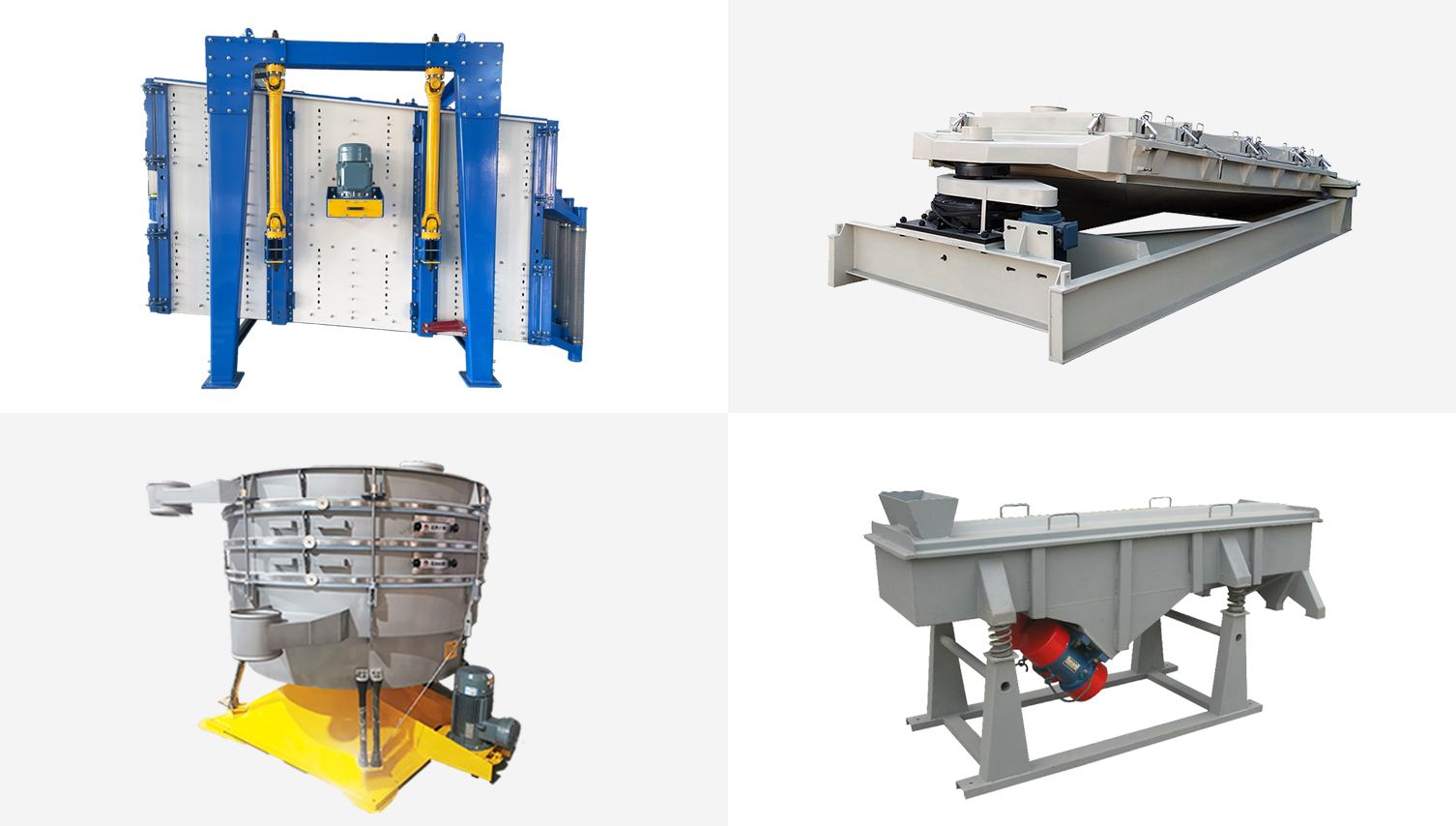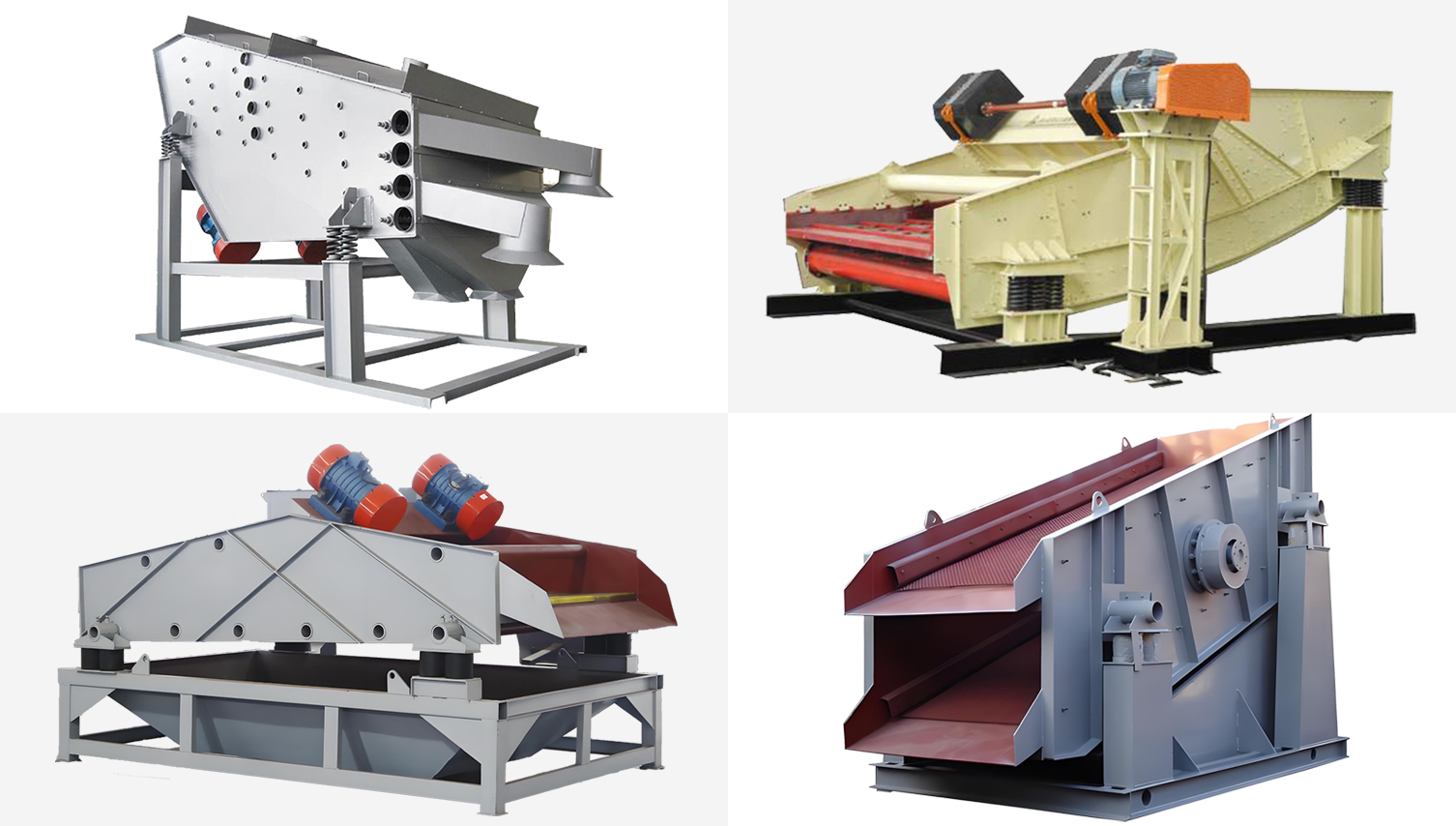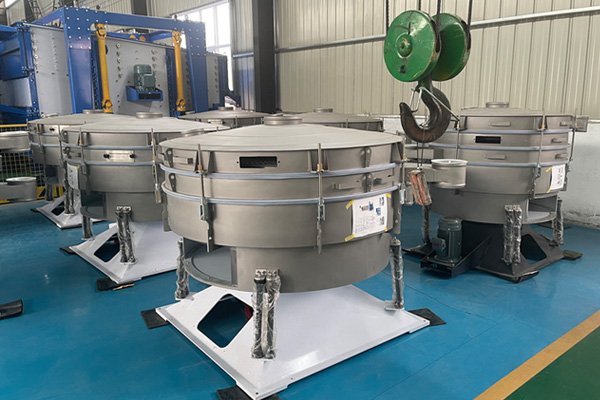
In actual production, many users purchase high-performance circular tumbler screens, only to experience a significant reduction in screening efficiency due to improper feeding methods and unsuitable screen configurations. Compared to adjusting motion parameters such as amplitude and frequency, feeding control and screen optimization are more easily overlooked yet far-reaching factors. Scientific and reasonable feeding management and screen selection can often bring about immediate improvements in screening efficiency.
Feeding control is a fundamental factor affecting screening efficiency.
Uniform and stable feeding is a prerequisite for ensuring rated output. Inconsistent feeding will severely disrupt the screening process, resulting in substandard output and accuracy. Excessive feeding creates an overly thick material layer on the screen surface, preventing the lower layer from contacting the screen and completing the screening process. Fine materials are "pressed down" by the upper layer and cannot pass through, significantly reducing the screening rate. Insufficient feeding wastes equipment capacity and fails to achieve economies of scale. The correct approach is to rationally control the feeding speed according to the specifications and processing capacity of the circular tumbler screen, and to use a combination of buffer bins and feeders to ensure that the material is evenly distributed on the screen surface, avoiding localized overload. Simultaneously, appropriately raising the height of the feed inlet or lowering the discharge outlet height reduces the screen surface inclination angle, which helps reduce material thickness, achieving thin-layer screening and thus improving the screening efficiency of fine materials.
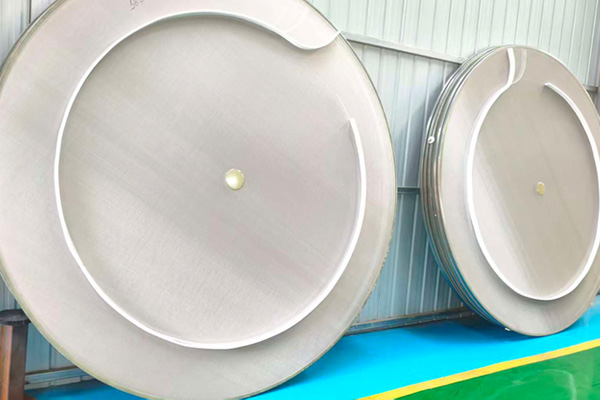
Screen selection and maintenance also significantly impact screening efficiency.
While ensuring screen aperture accuracy, use screens with finer wire diameters to increase the screen's open area ratio—the higher the open area ratio, the more channels for fine materials to pass through, naturally leading to higher screening efficiency. Multi-layer screen configurations (2-5 layers) can achieve multi-stage grading in a single pass, meeting the sorting needs of complex materials. Of particular note is the close relationship between screen lifespan and screening efficiency. Data shows that the lifespan of a circular tumbler screen is 5-10 times that of conventional screening equipment. This is due to its low-speed, low-load operating mode—the acceleration is only about one-quarter that of a regular vibrating screen, significantly extending the lifespan of screening parts and greatly reducing maintenance frequency. Therefore, regularly checking the screen condition, promptly clearing clogged materials, and immediately replacing any damaged or deformed screens are fundamental guarantees for maintaining high-efficiency screening.
Efficiency data confirms: the results of scientific control and optimization
The superior performance of the circular gyratory screen is clearly demonstrated in the data. When screening fine materials from 30 to 500 mesh, the output of a tumbler screen can be 5-10 times that of a conventional vibrating screen. Taking a 1200mm diameter tumbler screen (screening area approximately 1.1m²) as an example, when screening 80-mesh starch, the output per unit area is approximately 200kg/h/m², with an hourly output of approximately 220kg per unit; while when screening 30-mesh plastic granules, the output per unit area can reach 800kg/h/m², with an hourly output of approximately 880kg. These figures are typical results achieved with proper feeding and high-quality screen configuration, fully demonstrating that scientific feeding control and screen optimization can fully unleash the screening potential of a circular gyratory screen.
The efficiency improvement of a circular tumbler screen cannot be achieved automatically solely by the equipment itself; feeding control and screen optimization are two easily overlooked but crucial practical aspects. The "gentle, long-range, and gradual" screening characteristics of the tumbler screen dictate that uniform feeding is a prerequisite for maintaining its orderly spiral motion, while the long screen life resulting from low acceleration creates conditions for selecting a high-aperture fine screen. Uniform feeding ensures a reasonable distribution of material on the screen surface, while the selection of a fine screen determines the quality of the separation effect. These two aspects work together synergistically, forming a practical closed loop for improving screening efficiency. For modern enterprises pursuing lean manufacturing, emphasizing these two "fundamental engineering" aspects often yields more stable and lasting efficiency gains than simply adjusting motion parameters.
Clearly Separated Particles, Intelligent Screening – Mirant Xinxiang Mailang Machinery Equipment Co., Ltd.