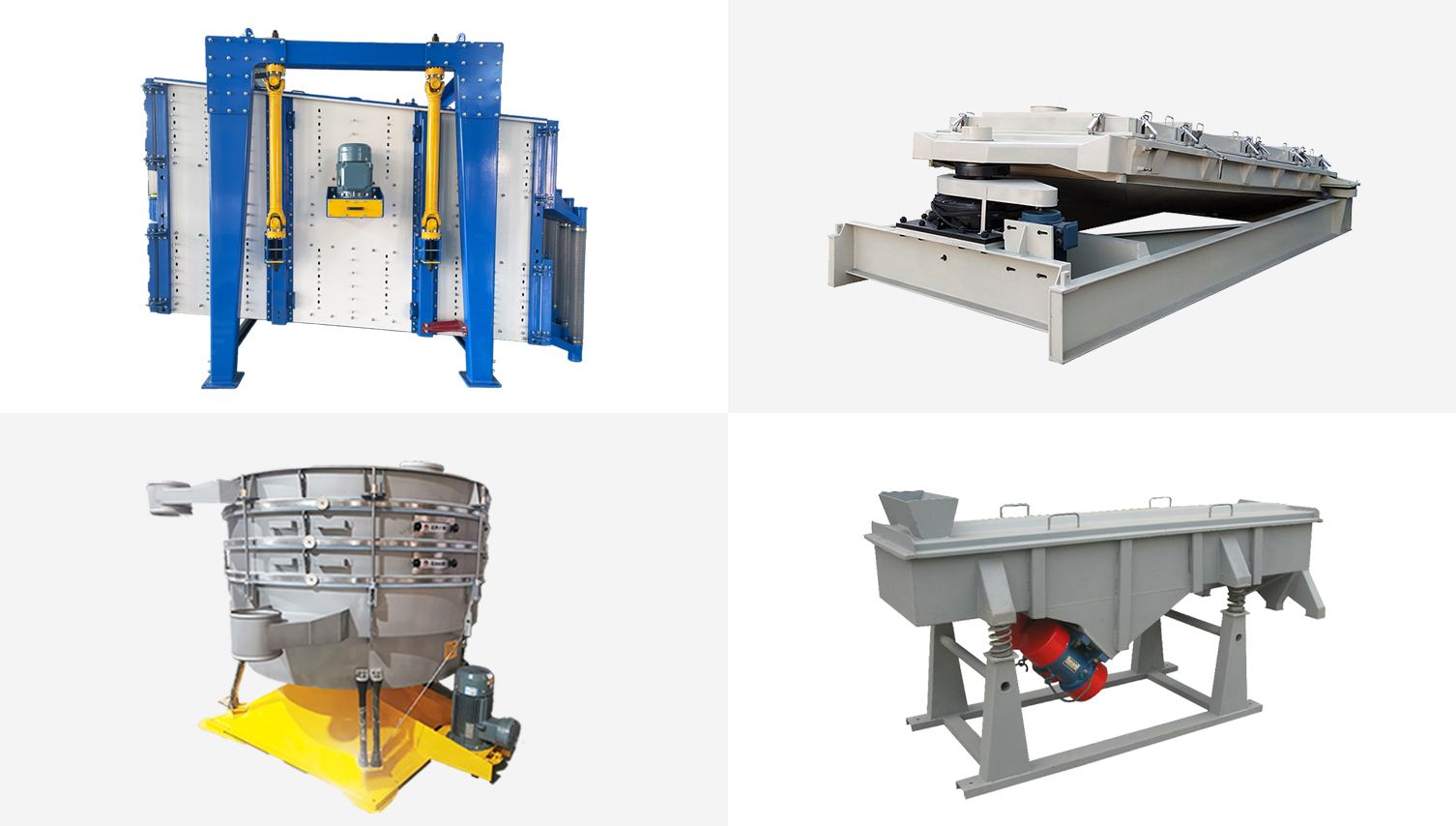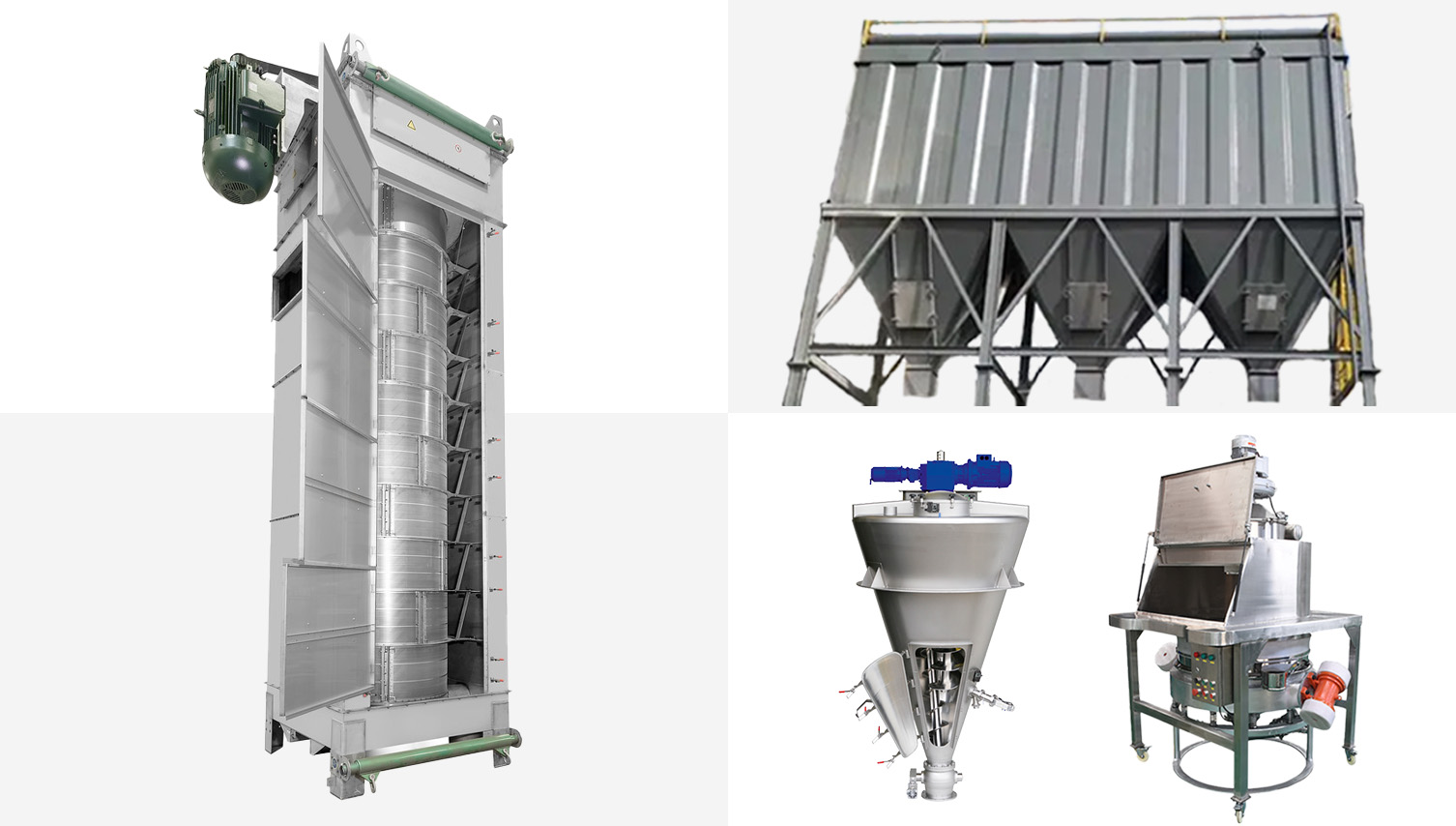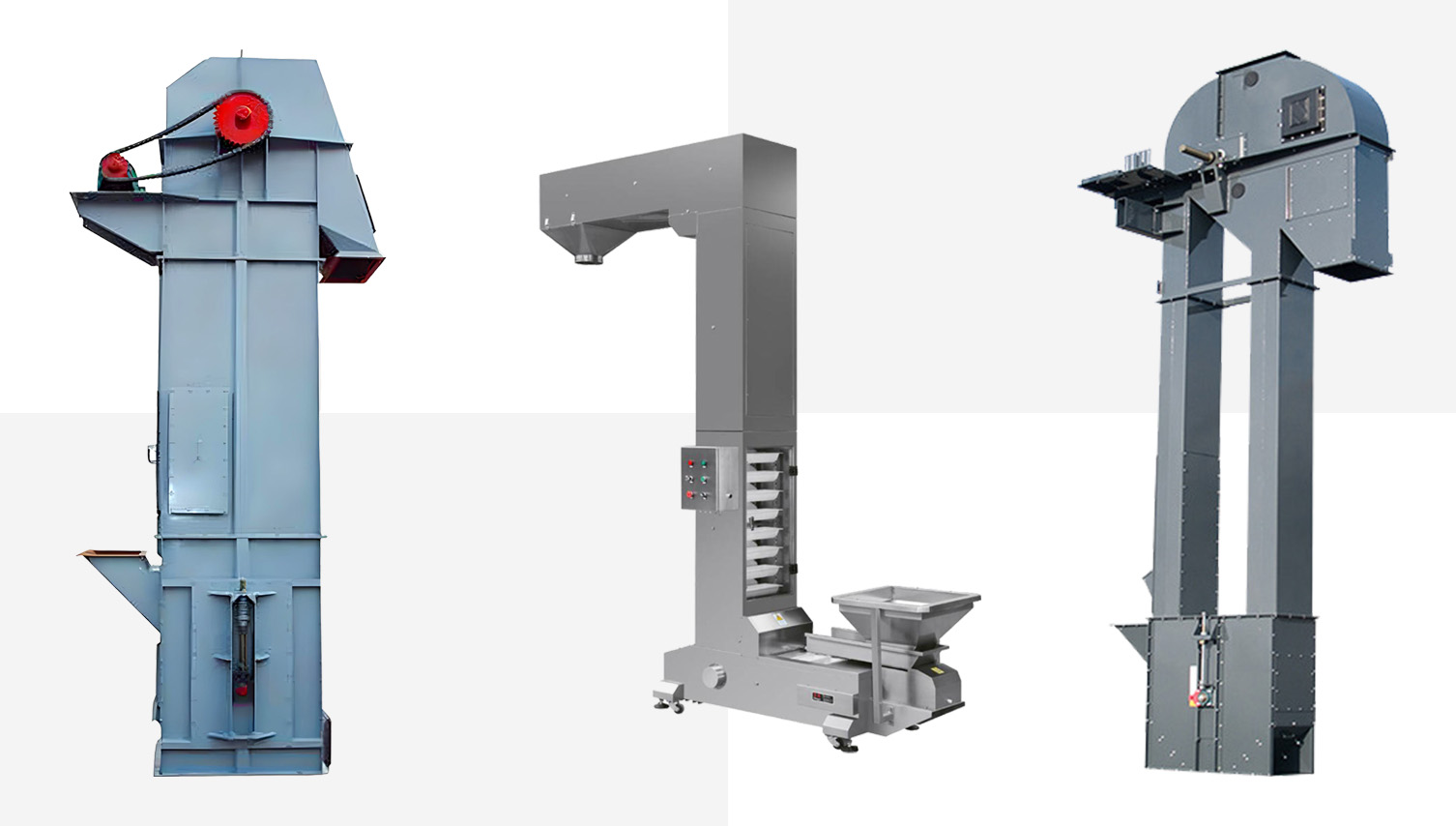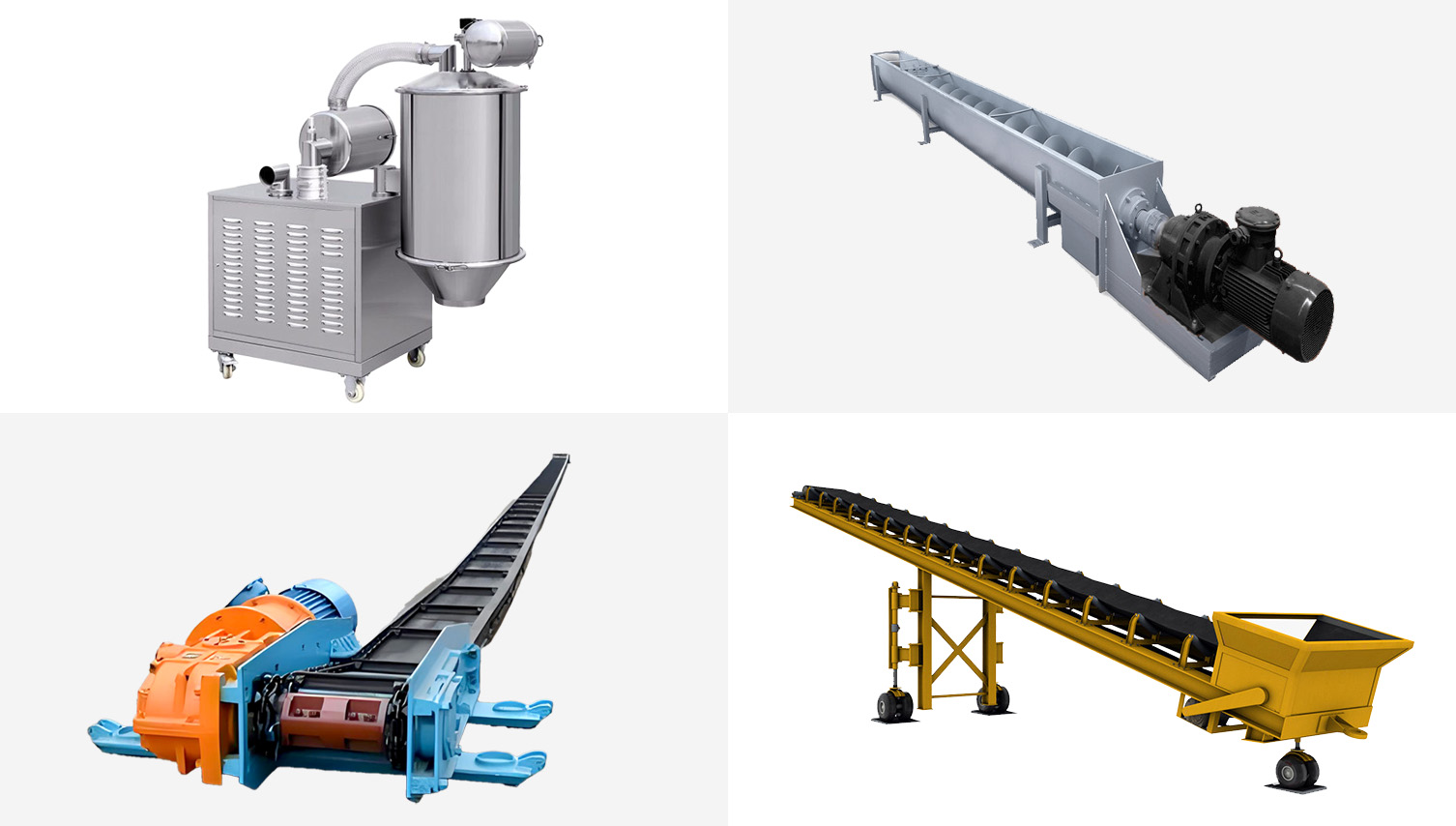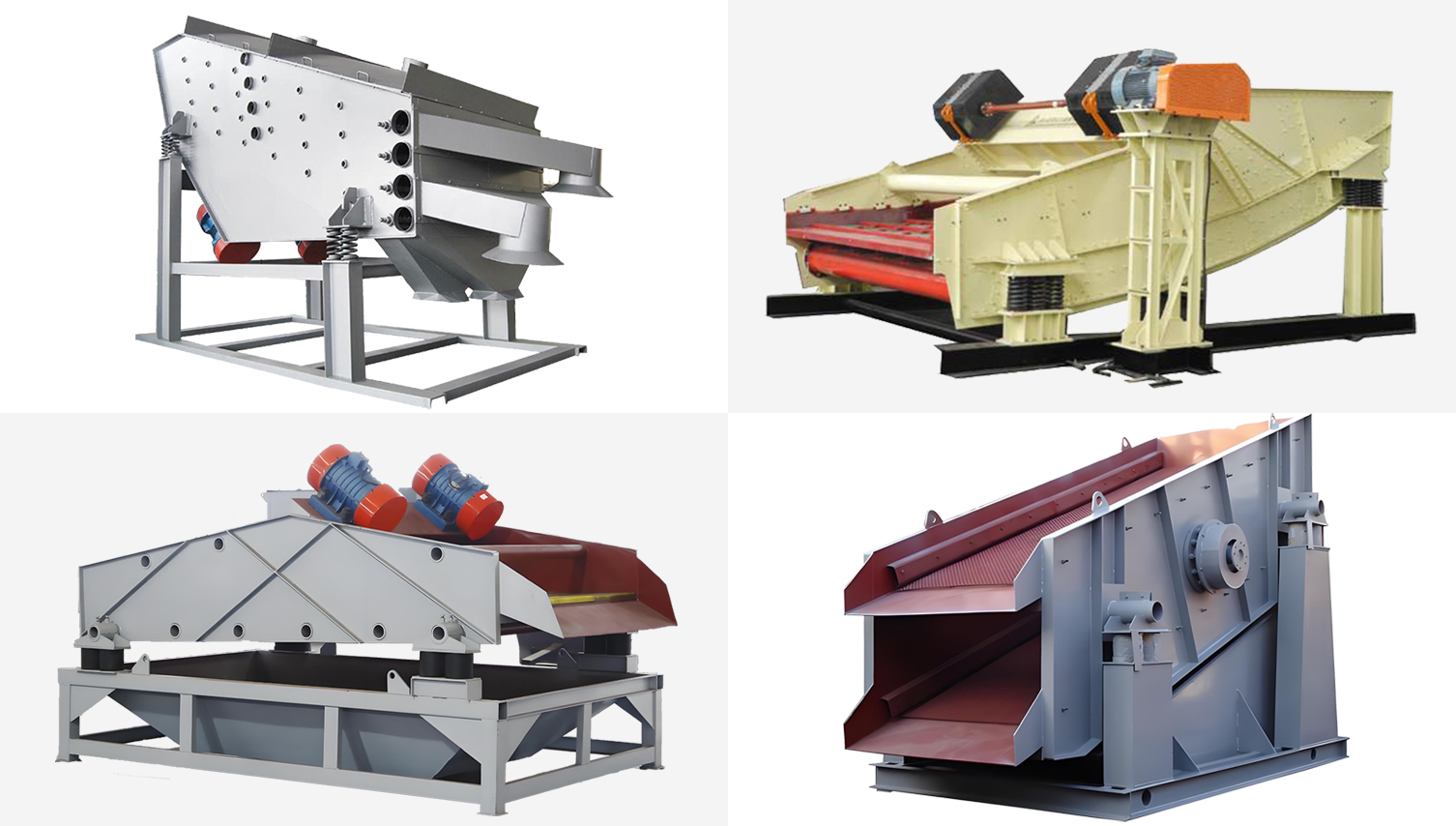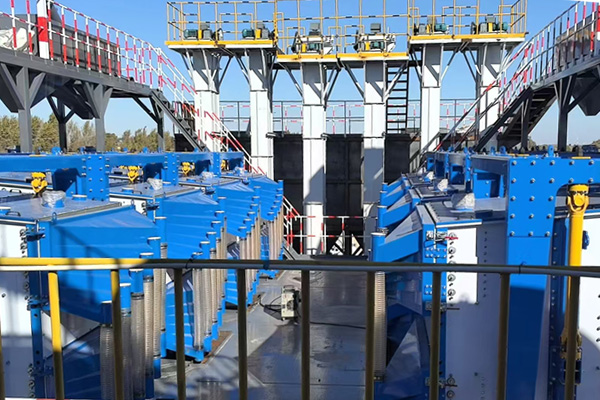
With the deepening of Industry 4.0, artificial intelligence, and sustainable development concepts, screening technology is undergoing a profound transformation. Looking ahead to the future development trends of screening systems, this paper focuses on intelligent operation and maintenance, digital twin technology, new materials and structural innovation, and green screening solutions for the circular economy and low-carbon emission reduction, outlining a technological blueprint for intelligent screening systems.
From Automation to Intelligence: Data-Driven Screening Systems
Traditional screening systems already have a high degree of automation, but intelligence is the inevitable direction for the next stage.
1. Intelligent Sensing and Edge Computing:
- Deploying more high-precision sensors in key locations: In addition to traditional vibration and temperature sensors, this includes high-definition cameras (visual analysis of material flow and clogging status), noise analysis microphones (monitoring bearing status), and online particle size analyzers (real-time feedback on screening effects).
- Edge computing gateways process data directly on the equipment side, judging equipment status in real time (such as screen damage, changes in vibrator eccentric force), achieving millisecond-level fault early warning, rather than simple threshold alarms.
2. AI-Based Predictive Maintenance and Process Optimization:
- Utilizing machine learning algorithms, historical and real-time data from equipment operation are analyzed to establish a fault prediction model. Potential faults such as bearing failure and structural cracking can be predicted weeks or even months in advance, transforming "planned maintenance" or "reactive maintenance" into precise "predictive maintenance," significantly reducing unplanned downtime.
- Adaptive Control: Based on online particle size analysis results, the system can automatically adjust the feeder speed, vibrating screen frequency, or amplitude in reverse, ensuring product quality (particle size distribution) remains stable within a set range, addressing the challenges posed by fluctuations in ore properties.
Digital Twin: A "Mirror Image" and Simulation in the Virtual World
Digital twin technology will revolutionize the design, commissioning, and operation of screening systems.
1. Design Simulation: A digital model perfectly corresponding to the physical entity is constructed in a virtual environment. Through multiphysics (structural mechanics, discrete element method (DEM), fluid dynamics (CFD) coupled simulation, stress distribution, material movement trajectory, screening efficiency, and energy consumption under different operating conditions can be predicted before manufacturing, optimizing the design scheme.
2. Virtual Commissioning and Operator Training: Control systems can be commissioned and tested in a virtual environment, shortening on-site commissioning time. Operators can conduct troubleshooting and emergency drills in the virtual environment, with no safety risks and extremely low cost.
3. Operation Mapping and Optimization: Real-time data from physical equipment continuously drives the digital twin model, making it a perpetually operating "shadow system." Engineers can perform "if-how" analyses in the digital world, test optimization strategies, and then apply them to the physical equipment to achieve continuous improvement in operational efficiency.
The screening system of the future will no longer be a bulky, heavy-duty "vibrating machine," but a refined, intelligent, and green material handling hub integrating intelligent sensing, advanced materials, digital simulation, and green concepts. It will serve a wide range of fields, from traditional mining to the emerging circular economy, in a more efficient, reliable, and environmentally friendly manner, becoming an indispensable cornerstone of smart factories and green manufacturing.
Clearly Separated Particles, Intelligent Screening -- Mirant Xinxiang Machinery Equipment Co., Ltd.