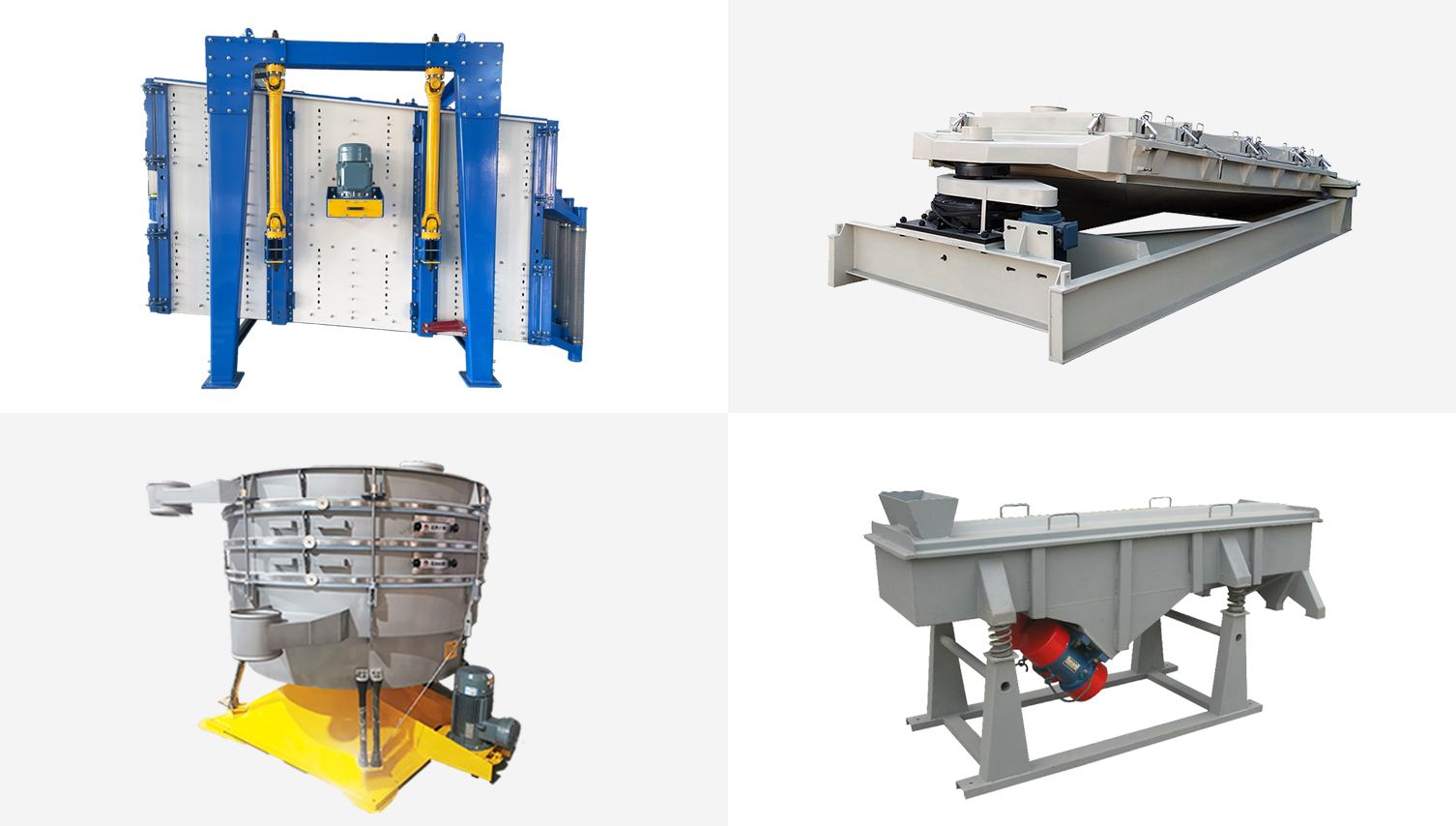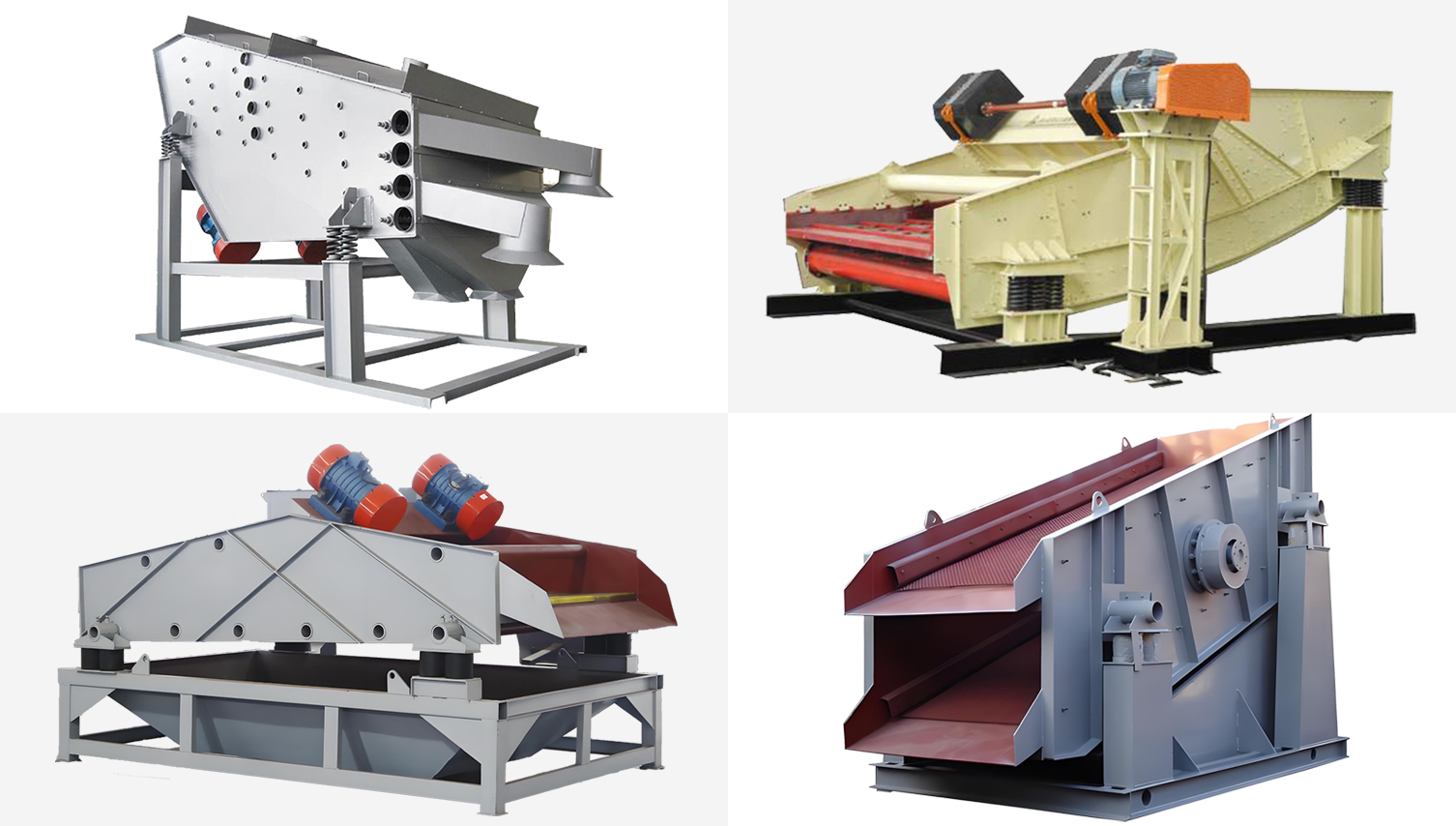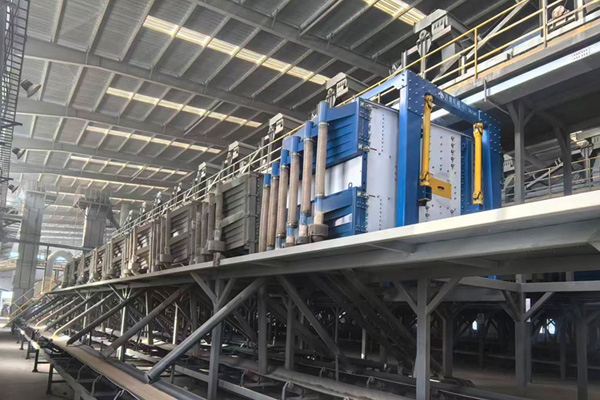
Screening, as the core physical process of material classification, is widely used in many industries such as mining, building materials, chemicals, food, and environmental protection. Vibrating screens are the absolute mainstay of screening systems, and their performance is determined by a series of dynamic and structural parameters. This article focuses on the core technology of vibrating screens, deeply analyzing the influence of key parameters such as amplitude, frequency, vibration direction angle, and screen inclination angle on the screening process, providing theoretical reference and practical guidance for equipment selection, process debugging, and performance improvement.
I. The "Symphony" of Dynamic Parameters: Amplitude, Frequency, and Vibration Direction Angle
The performance of a vibrating screen is essentially determined by its motion characteristics, much like a symphony where all parameters must coordinate.
1. Amplitude (A) and Frequency (f):
These two parameters together determine the maximum acceleration of the screen box (Aω², where ω=2πf) and the throwing intensity of the material (Kv).
- Large amplitude, low frequency: High material throwing height and large falling impact force, which helps prevent clogging and is suitable for screening large, wet, and sticky materials.
- Small amplitude, high frequency: Material contacts the screen surface more frequently, increasing the chance of material passing through the screen, which is beneficial for screening and dewatering fine materials, but the conveying speed is slower.
- Optimized balance: Generally, for coarse materials, a larger amplitude (3-5mm) and a lower frequency (800-1000rpm) are suitable; for fine materials, a smaller amplitude (1-3mm) and a higher frequency (1200-1500rpm) are suitable.
2. Vibration direction angle (β):
This is the angle between the vibration direction line and the screen surface. It is crucial in determining the material conveying speed and screening efficiency.
- Large β angle (e.g., 45°-60°): Large vertical vibration component, high material throw, good stratification and screening, but slow conveying speed. Suitable for difficult-to-screen materials or conditions where screening is the primary function.
- Small β angle (e.g., 30°-45°): Large horizontal vibration component, fast material conveying speed, large throughput, but low material throw. Suitable for easily screened materials or applications primarily involving conveying and dewatering. Linear screens typically use a standard orientation angle of 45°.
II. Detailed Design of Structural Parameters: Inclination Angle and Screen Surface Length
1. Screen Inclination Angle (α):
The angle between the screen surface and the horizontal plane. A larger inclination angle increases material flow rate and processing capacity, but shortens the material's residence time on the screen surface, reducing screening efficiency. Conversely, a smaller inclination angle has the same effect. A compromise must be made based on material properties and screening requirements (typically 15°-25° for circular vibrating screens and 0°-10° for linear screens). Innovation in screening equipment lies in using multiple inclination angle variations to achieve rapid stratification and dispersion at the feed end with a large inclination angle, and to ensure fine screening at the discharge end with a small inclination angle.
2. Screen Surface Length and Width:
-Width: Primarily determines processing capacity. Within permissible limits, increasing width is the most effective way to increase output.
-Length: Primarily determines screening efficiency. The longer the screen surface, the longer the material residence time, the more opportunities for material to pass through the screen, and the higher the efficiency. However, excessively long screen surfaces increase equipment size and cost, and the efficiency improvement has diminishing returns. The appropriate length is usually determined based on the required screening efficiency.
III. System Matching and Intelligent Control
Modern high-performance vibrating screens are no longer isolated devices. Their drive motors (often employing dual-motor self-synchronization technology), vibration damping systems, feeding devices (requiring uniform feeding), and screen hoppers must be integrated into a single design. Furthermore, sensor-based (vibration sensors, temperature sensors) and PLC-based status monitoring and intelligent control systems are becoming increasingly common. These systems can monitor equipment health in real time and automatically adjust vibration frequency or feed rate based on material changes, achieving energy saving, high efficiency, and predictive maintenance.
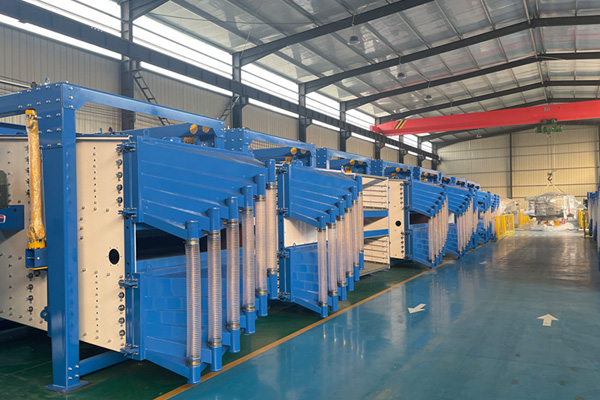
Optimizing the performance of a vibrating screen is a systematic project that requires a deep understanding of the coupling relationship between materials, equipment, and processes. Through meticulous design and control of dynamic parameters, structural parameters, and screen technology, the equipment's potential can be maximized, achieving optimal overall screening efficiency, processing capacity, and service life.
Clearly separated particles, intelligent screening – Mirant Xinxiang Machinery Equipment Co., Ltd.