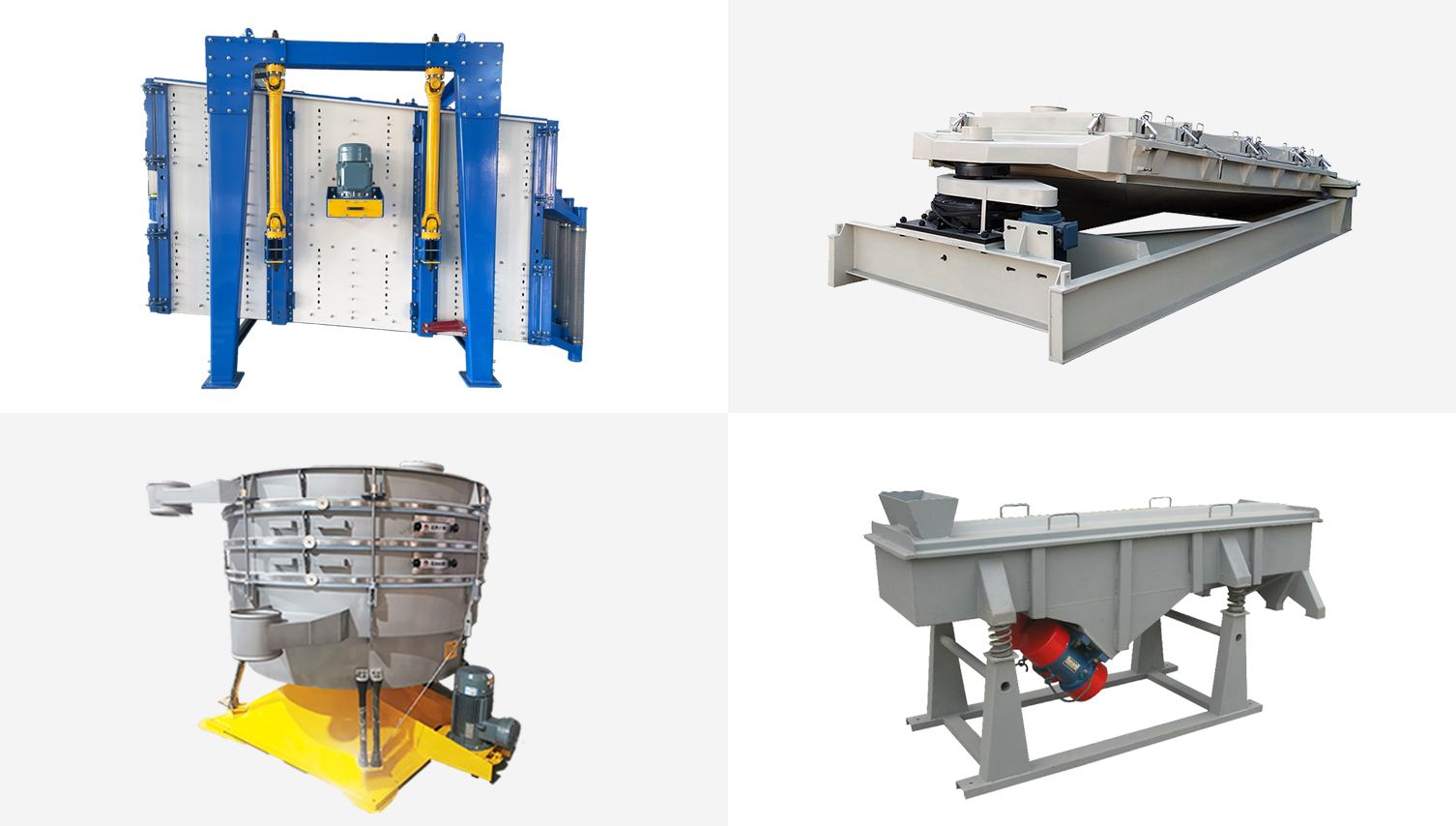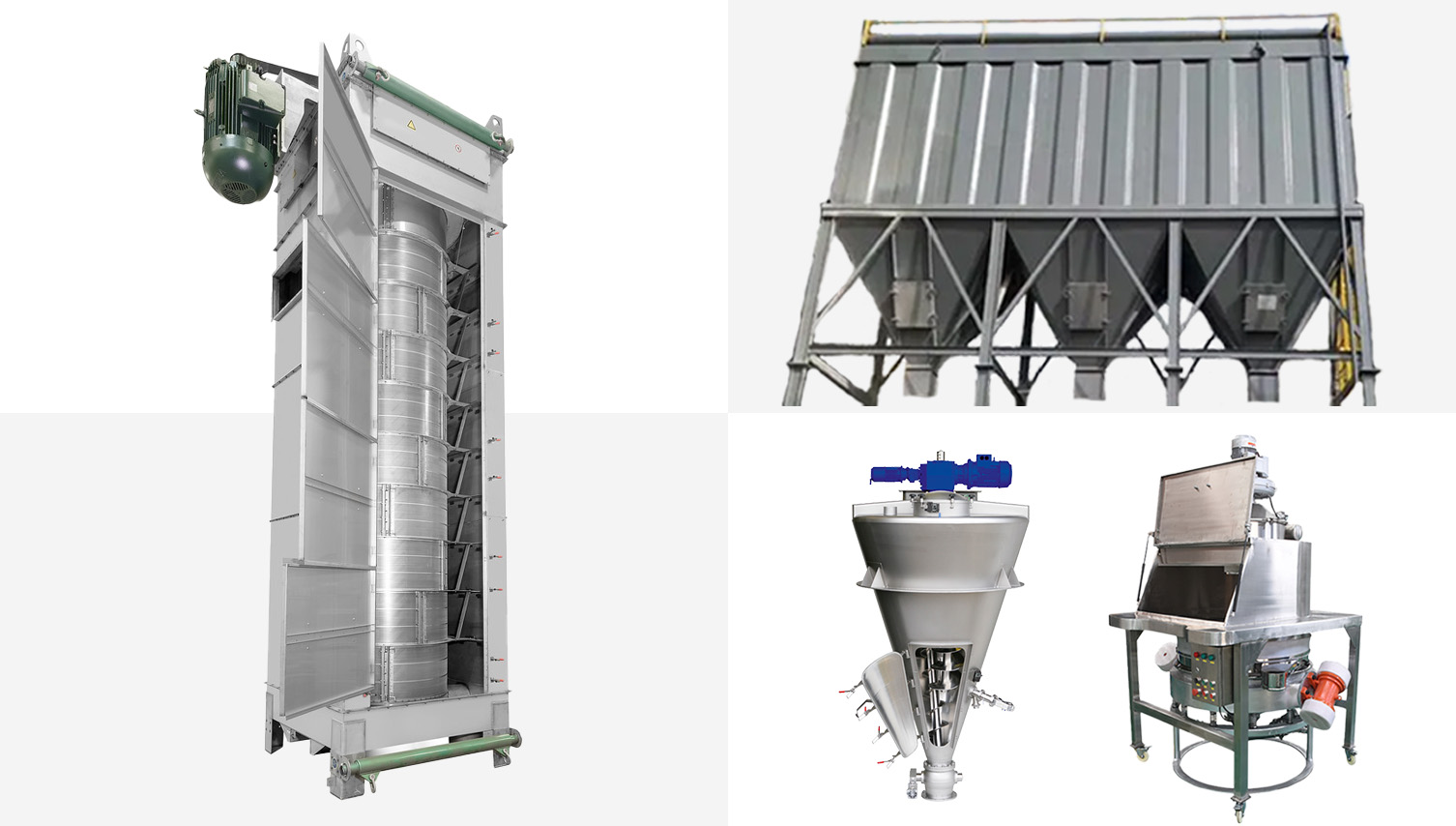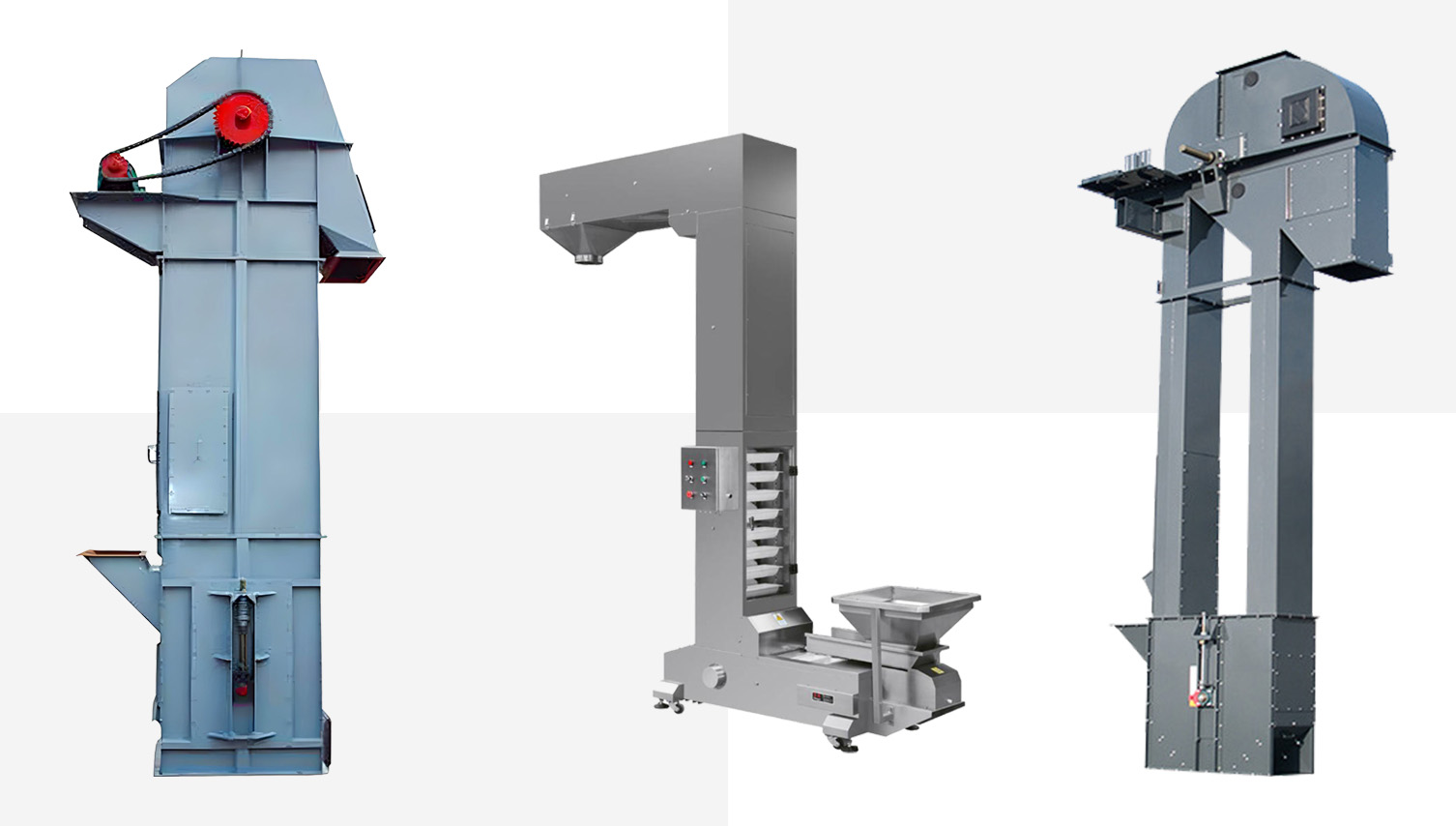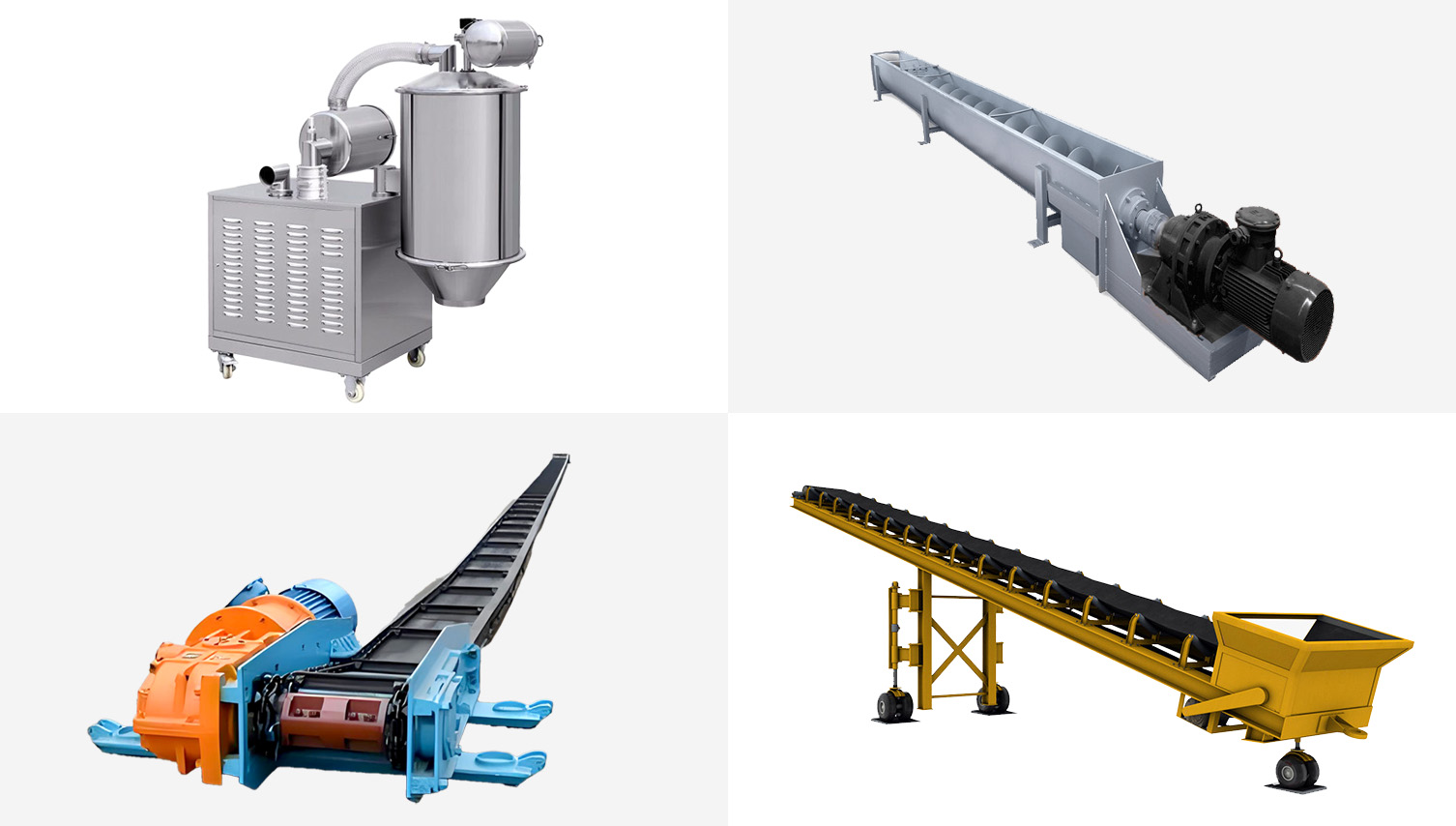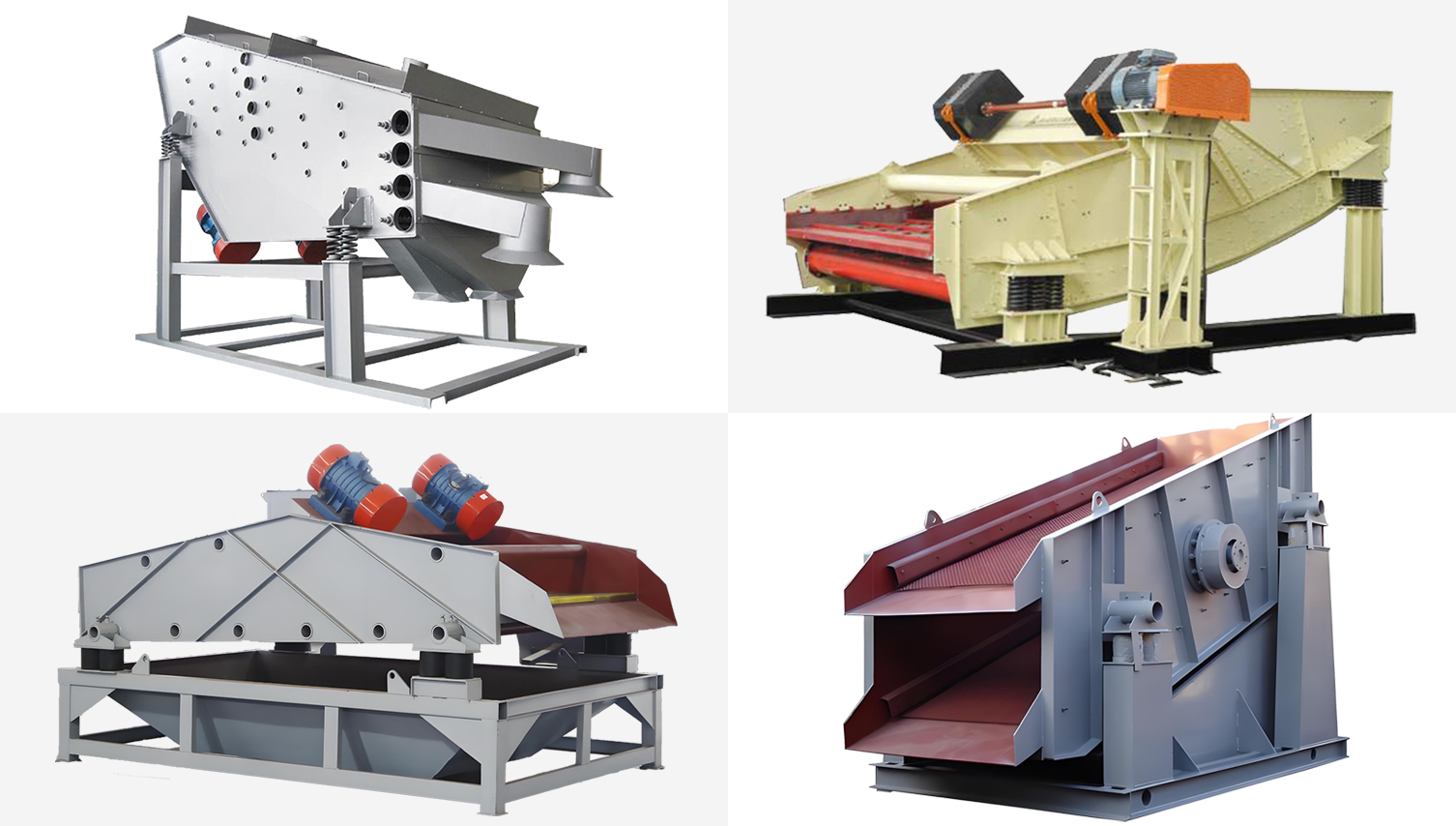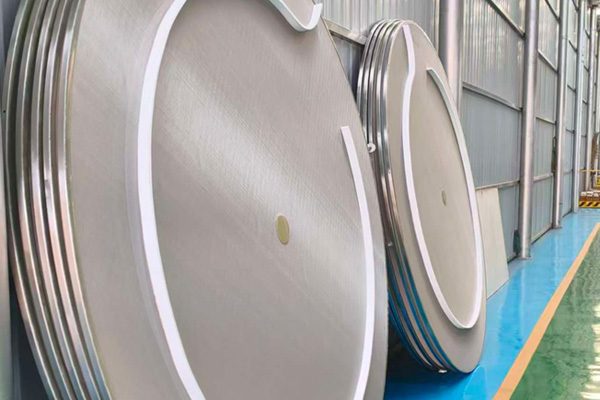
Screening, in essence, is a technology for separating and classifying particulate materials based on their geometric dimensions (length, width, and thickness, usually expressed as particle size). Its core principle is to use screening equipment with one or more screens, allowing the material to move across the screen. Particles smaller than the screen aperture (called undersize) pass through the apertures and fall, while particles larger than the aperture (called oversize) remain on the screen surface or are discharged at the end of the screen, thus achieving the separation of materials of different particle sizes. The screen is the working surface that directly contacts the material, and its selection directly affects the screening effect and lifespan.
Screen Types:
- Woven Screen: Woven with metal wire, high open area, lightweight, and good air permeability, suitable for fine-grained, lightweight materials. However, its lifespan is relatively short.
- Perforated Screen Plate: Perforated steel plate, sturdy and wear-resistant, suitable for large, heavy, and impact-sensitive materials. However, it has a lower open area and is heavier.
- Polyurethane screen: Excellent overall performance, wear resistance 3-8 times that of steel screens, lightweight, low noise, and good anti-clogging performance. However, high initial cost, suitable for medium to fine particles and corrosive environments.
- Rubber screen plate: Good impact resistance and noise reduction, suitable for large-scale, high-impact applications.
Wear Mechanism and Life Extension Measures:
Main Wear Forms: Impact and chiseling wear (large materials), micro-cutting wear (small, sharp particles), corrosion wear, fatigue fracture.
Optimization Strategies:
- Pre-tensioning technology: Ensures uniform tension at all points on the screen, preventing early fatigue fracture caused by localized vibration and secondary vibration.
- System Vibration Reduction: Install high-performance vibration damping springs or rubber composite springs between the screen box and the foundation to reduce ineffective vibration energy transmitted to the screen.
- Online screen cleaning devices: Such as bouncing balls, ultrasonic screen cleaners, airflow screen cleaners, etc., effectively prevent particle clogging and keep the screen openings clear.
When selecting screen material, it is necessary to consider the material's hardness, viscosity, temperature, corrosiveness, and other characteristics, as well as the required screening accuracy. A suitable material ensures stable screening results, while an unsuitable material may lead to decreased accuracy, reduced efficiency, or even equipment failure. High-quality screen installation and normal operation are crucial for the stable operation of screening equipment. This maximizes the overall optimization of screening efficiency, processing capacity, and service life.
Clearly Separated Particles, Intelligent Screening – Mirant Xinxiang Machinery Equipment Co., Ltd.