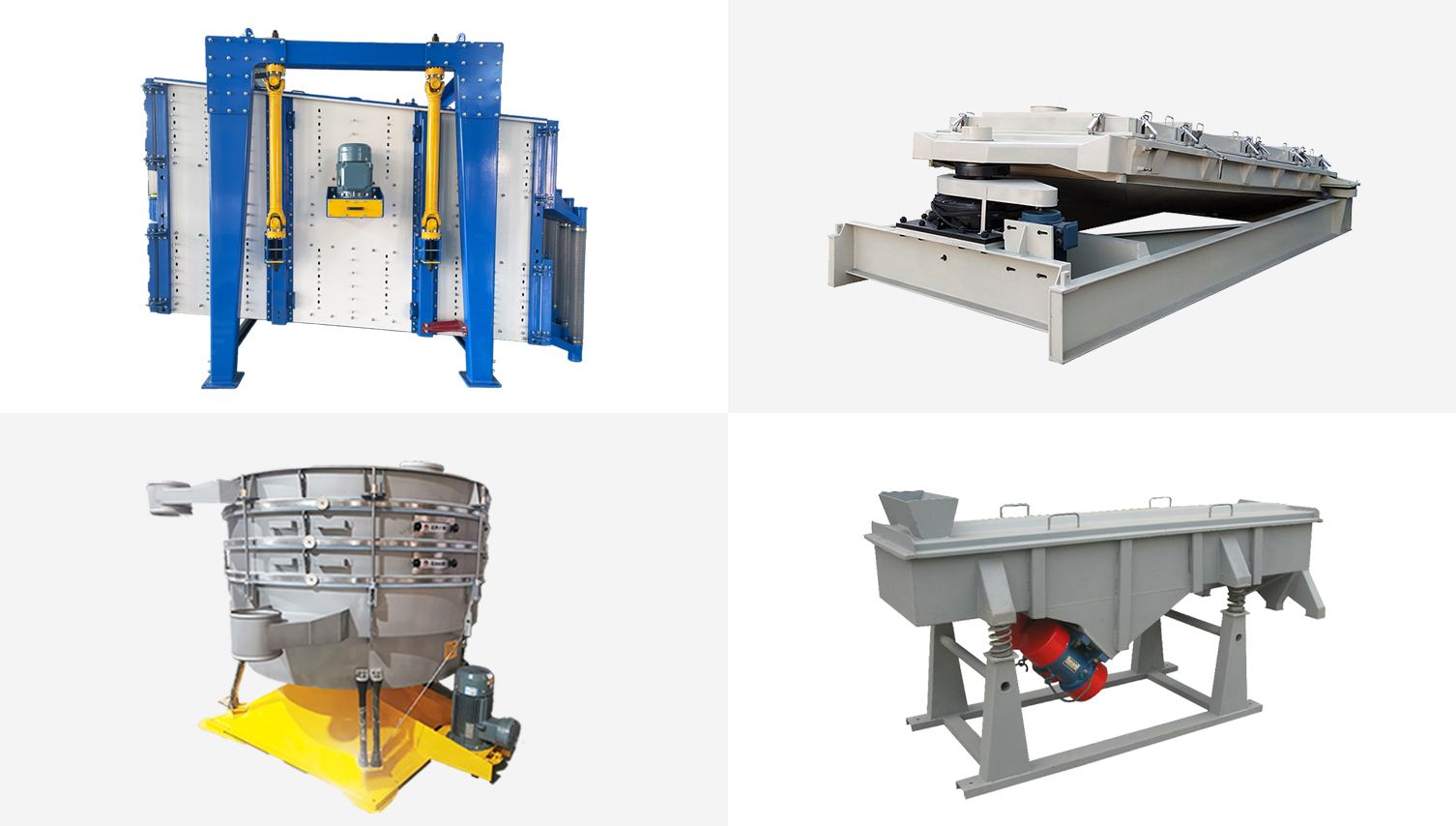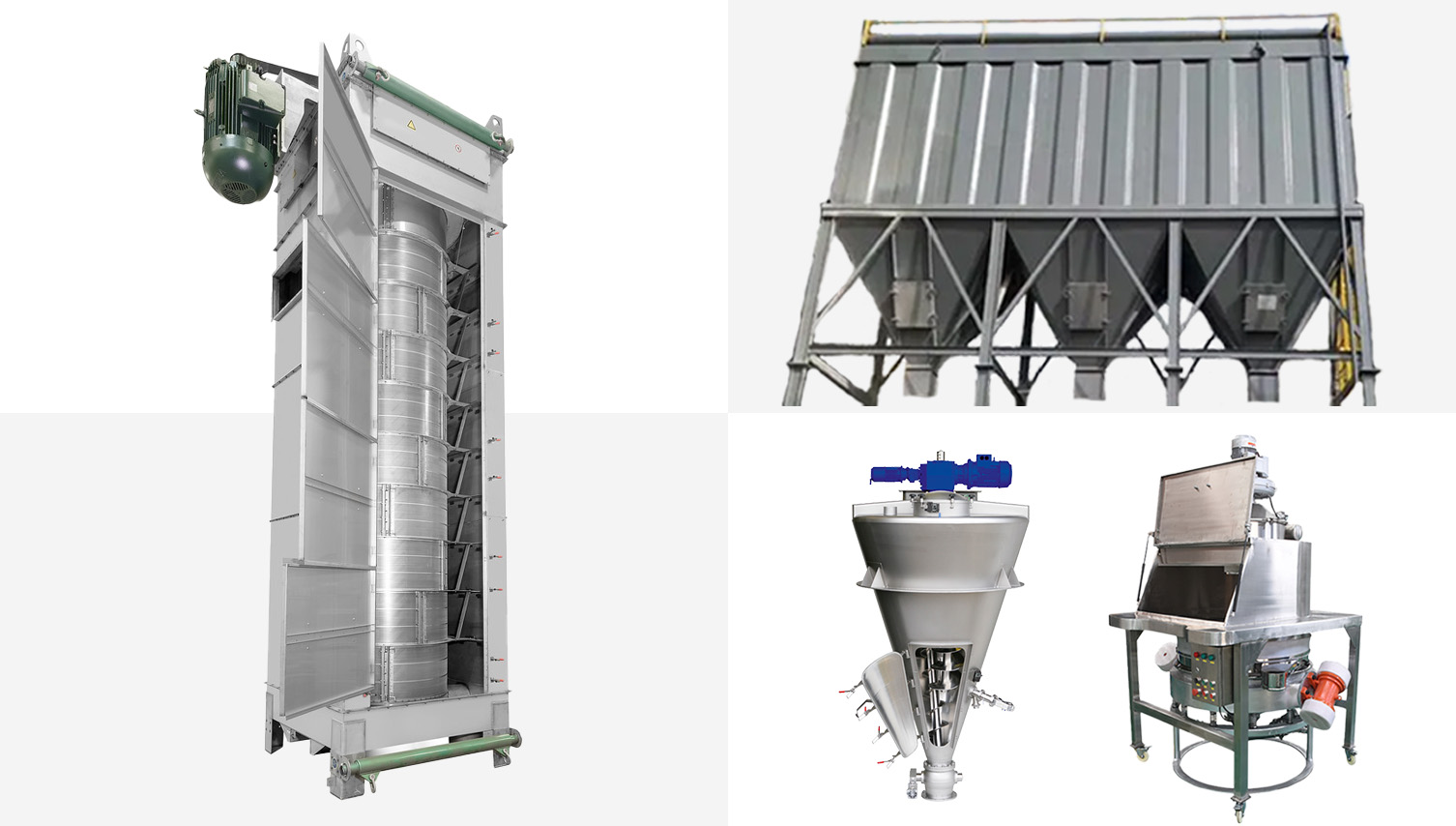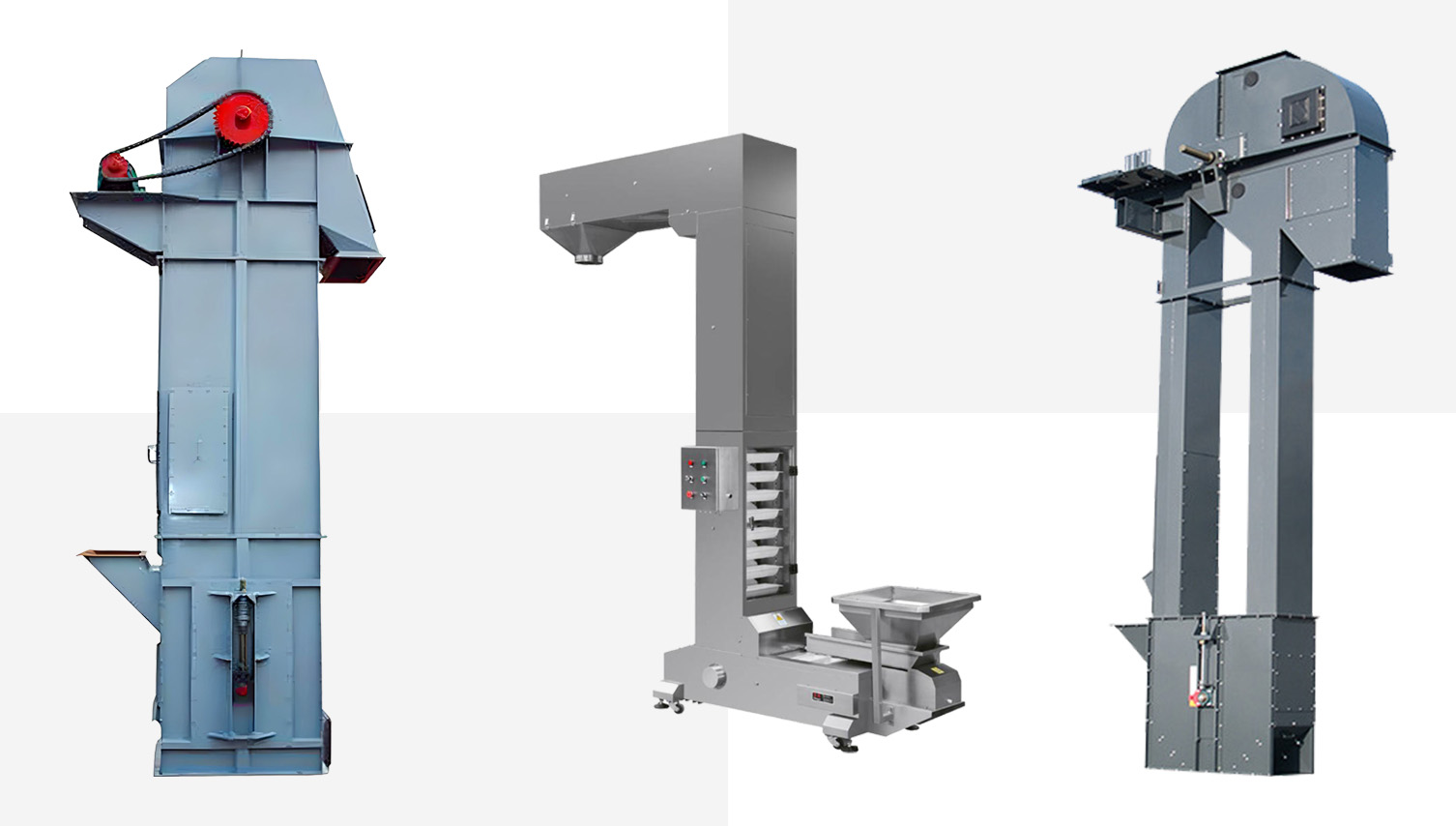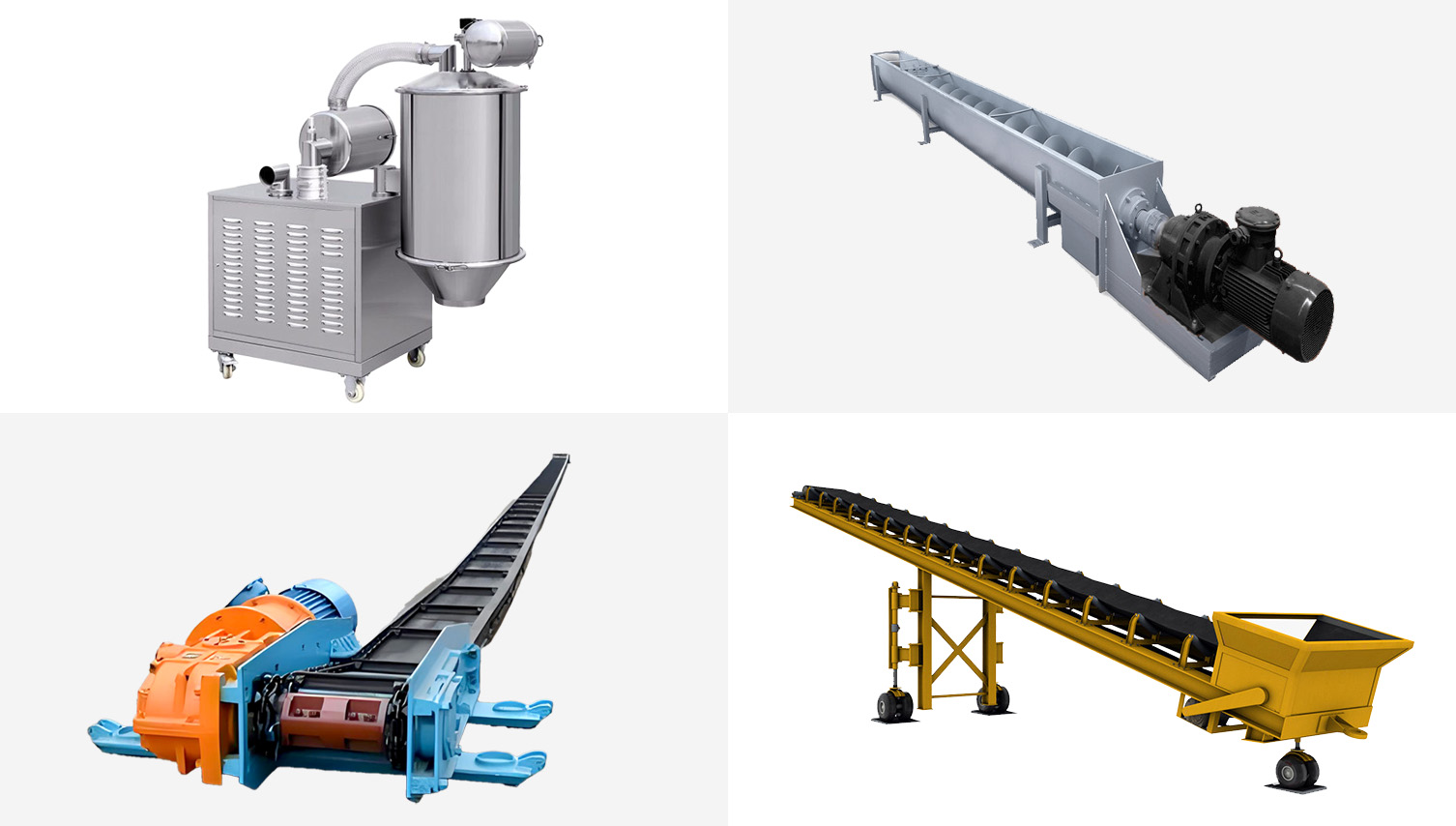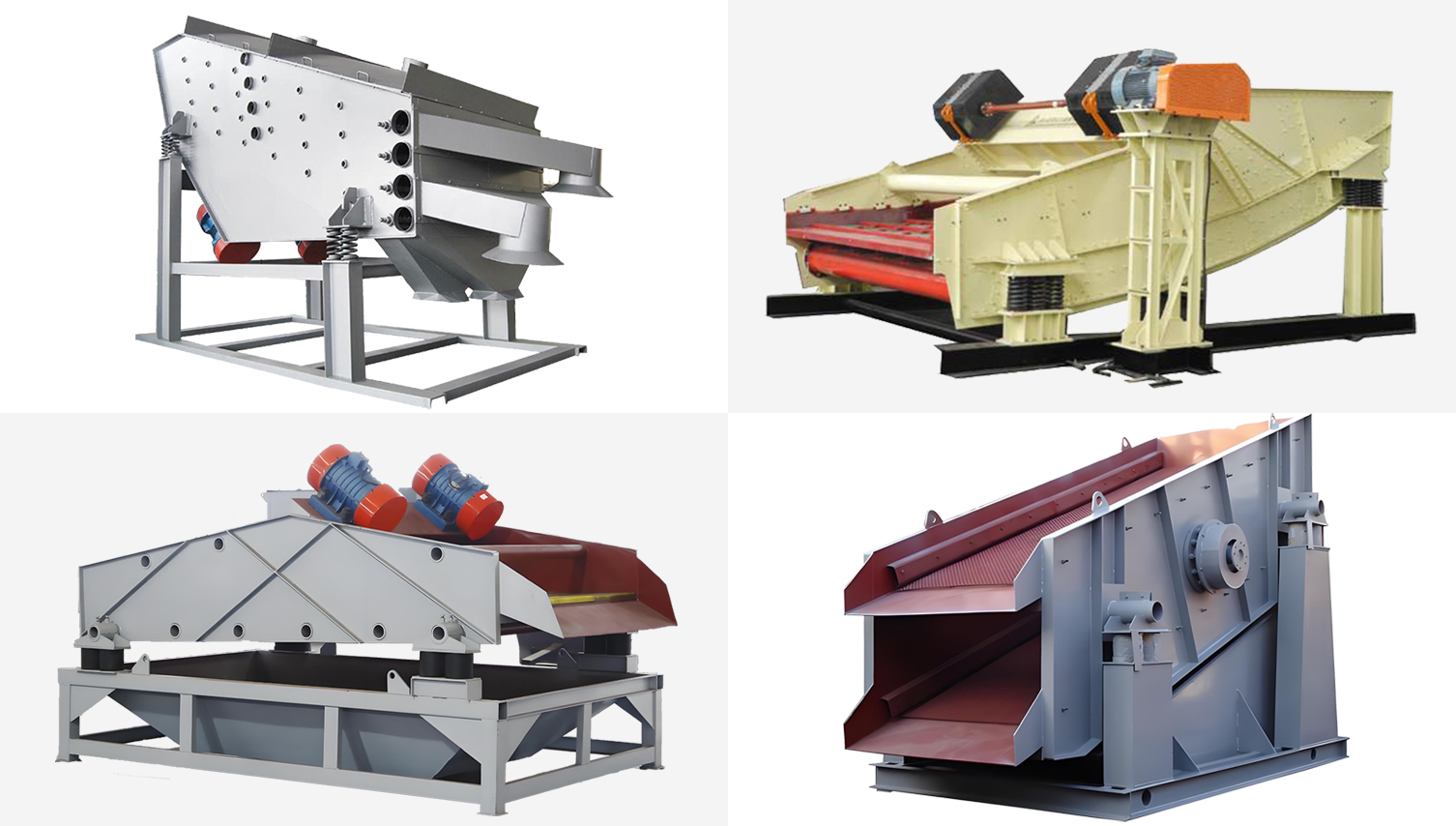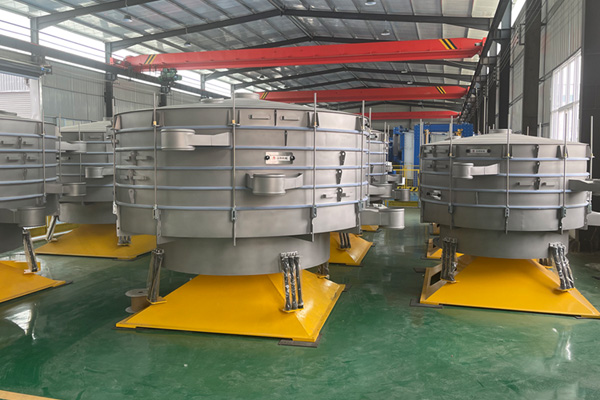
After using the equipment for over half a year, the novelty wore off, and what remained was a rational judgment. Looking back at the initial decision to choose the circular gyratory screen, the head of one of the user companies believes it was not just a purchase of equipment, but an investment based on "long-termism." From performance and maintenance costs to employee feedback, the circular gyratory screen has proven its value with concrete data.
More Than Just Screening: The Surprising Low Breakage and Long Lifespan
One user company had a brittle crystalline material that consistently suffered from a high breakage rate under the high-speed impact of a regular vibrating screen, directly affecting the product's appearance and selling price. After switching to a circular gyratory screen, this situation was fundamentally changed.
Because its acceleration is 4.5 times lower than that of a vibrating screen, the material almost "jumps" and "rolls" on the screen surface, rather than "collides." This reduced the breakage rate of fragile materials to an all-time low, increasing the yield by nearly 3 percentage points. The sales department reported that our crystal integrity is better than competitors, making customers more willing to place orders.
At the same time, this "gentle" approach also extends the lifespan of the equipment itself. Because of the balanced force and minimal impact, the screen no longer breaks down every three to five days as it used to. Statistics show that our screen replacement cycle has increased from an average of 7 days to over 30 days. This not only saves on consumable costs, but more importantly, it reduces downtime for screen replacements, allowing the production line to operate continuously and stably.
The Calculations Behind Low Operating Costs
Initially, the circular gyratory screen was more expensive than ordinary screening machines, leading to several meetings with the user company to discuss the budget. However, in the end, it's actually the more cost-effective option.
Firstly, there's energy consumption. It operates at low speed, with even the largest models requiring only 5.5 kilowatts or less in power. Compared to screening machines that rely on high-powered motors, this results in significant savings on electricity bills over a year.
Secondly, there's maintenance. The simplified structural design makes disassembly and assembly exceptionally easy. A skilled worker can now replace a screen in just 15 minutes. The lifespan of easily worn parts like bearings has also been greatly extended, almost eliminating the need for frequent major overhauls. Employees generally report that the new equipment is "worry-free," with a low failure rate, a quieter working environment, no more dust, and stable workshop turnover.
Real Feedback from the Front Lines
The best advertisement isn't a manufacturer's brochure, but the operators' word-of-mouth.
When the company's manager inspected the workshop, Lao Wang, who was in charge of the screening station, told me, "Factory manager, this new machine is really good. After a day's work, I don't feel itchy or choked. I even have an appetite for dinner when I get home." Another young mechanic chimed in, "Yes, it's easy to repair too. Before, disassembling a screening machine required a crane and wrenches, which took half a day. Now it's done in a few seconds."
Hearing these simple words, I knew we made the right choice. For us, the circular gyratory screen is not just a piece of equipment that increases production capacity and precision, but also a "green engine" that improves employee well-being, reduces environmental impact, and enables the factory's sustainable development.
If you are also facing screening challenges, why not step out of the noisy vibrations and see this solution that "treats you gently"? After all, the ultimate goal of industrial manufacturing should be to make production more efficient and the world quieter and cleaner.