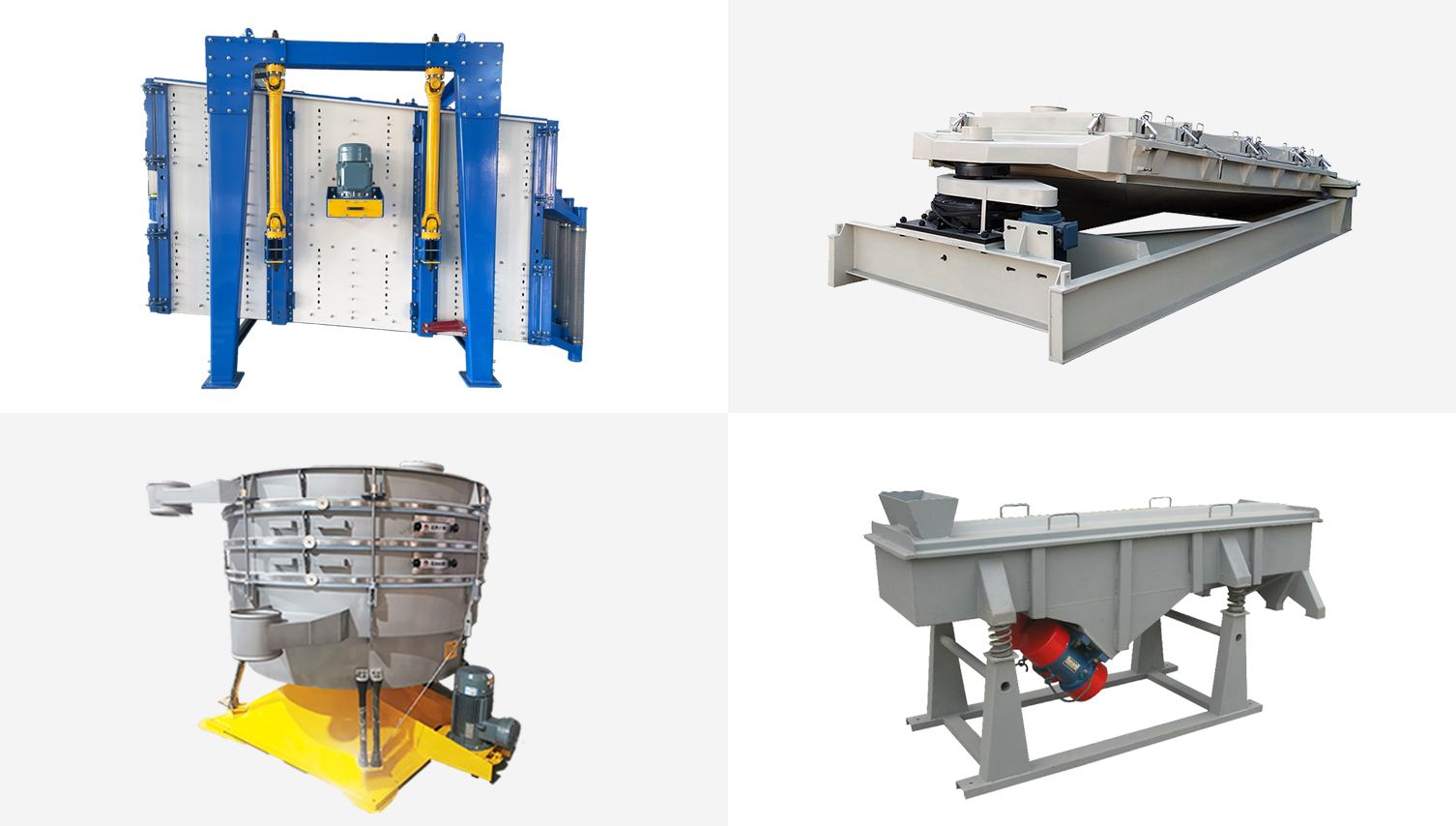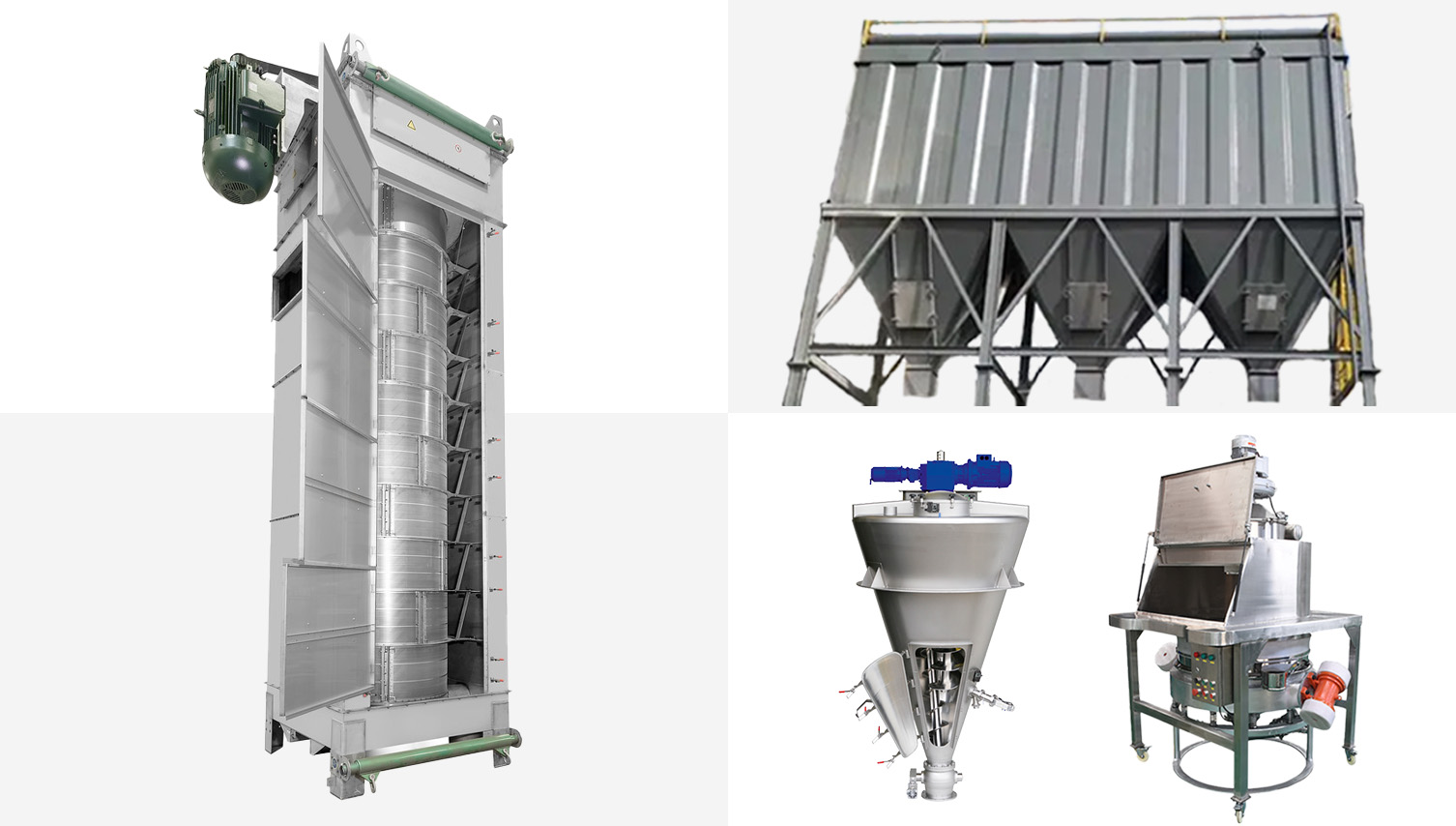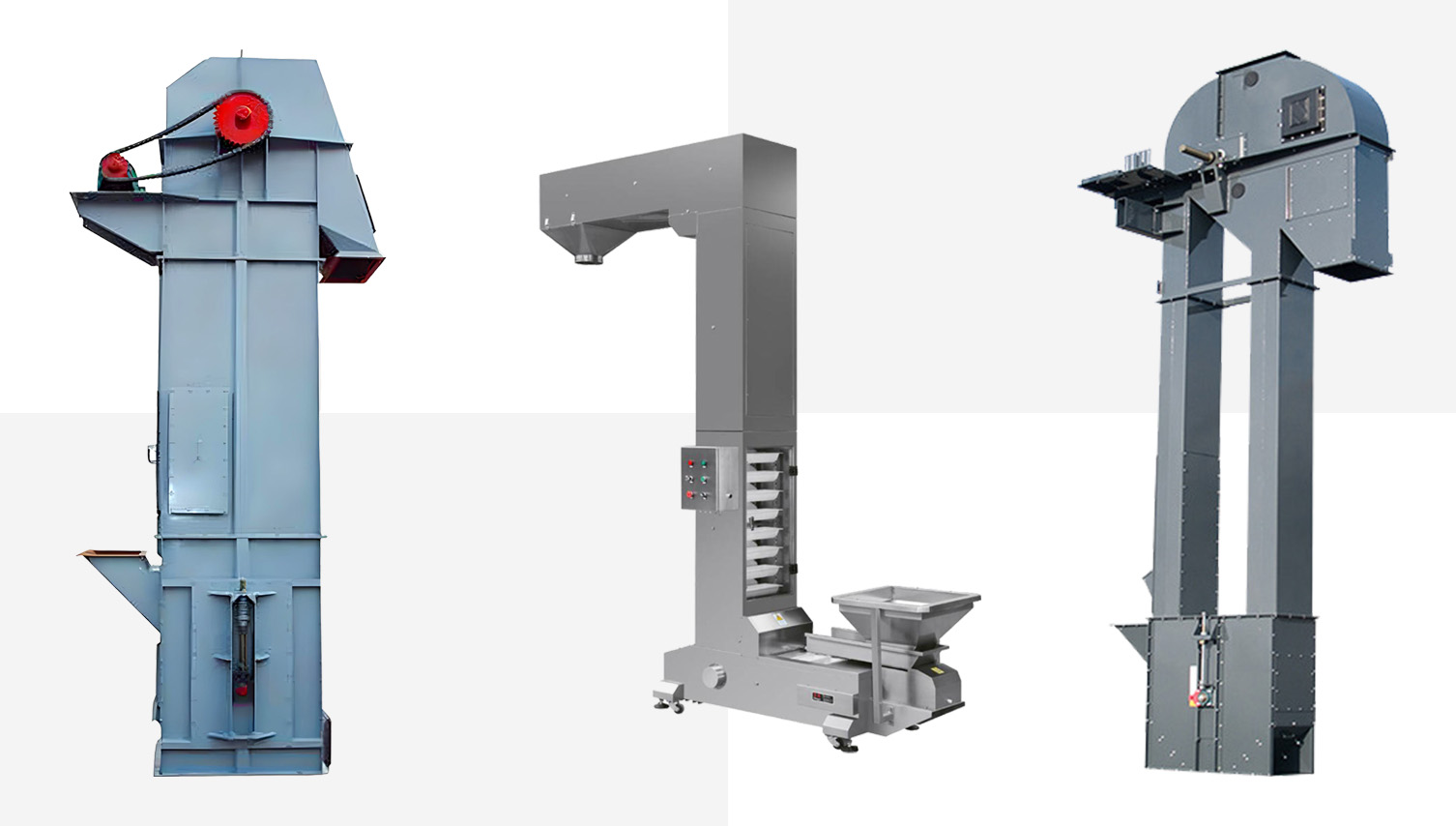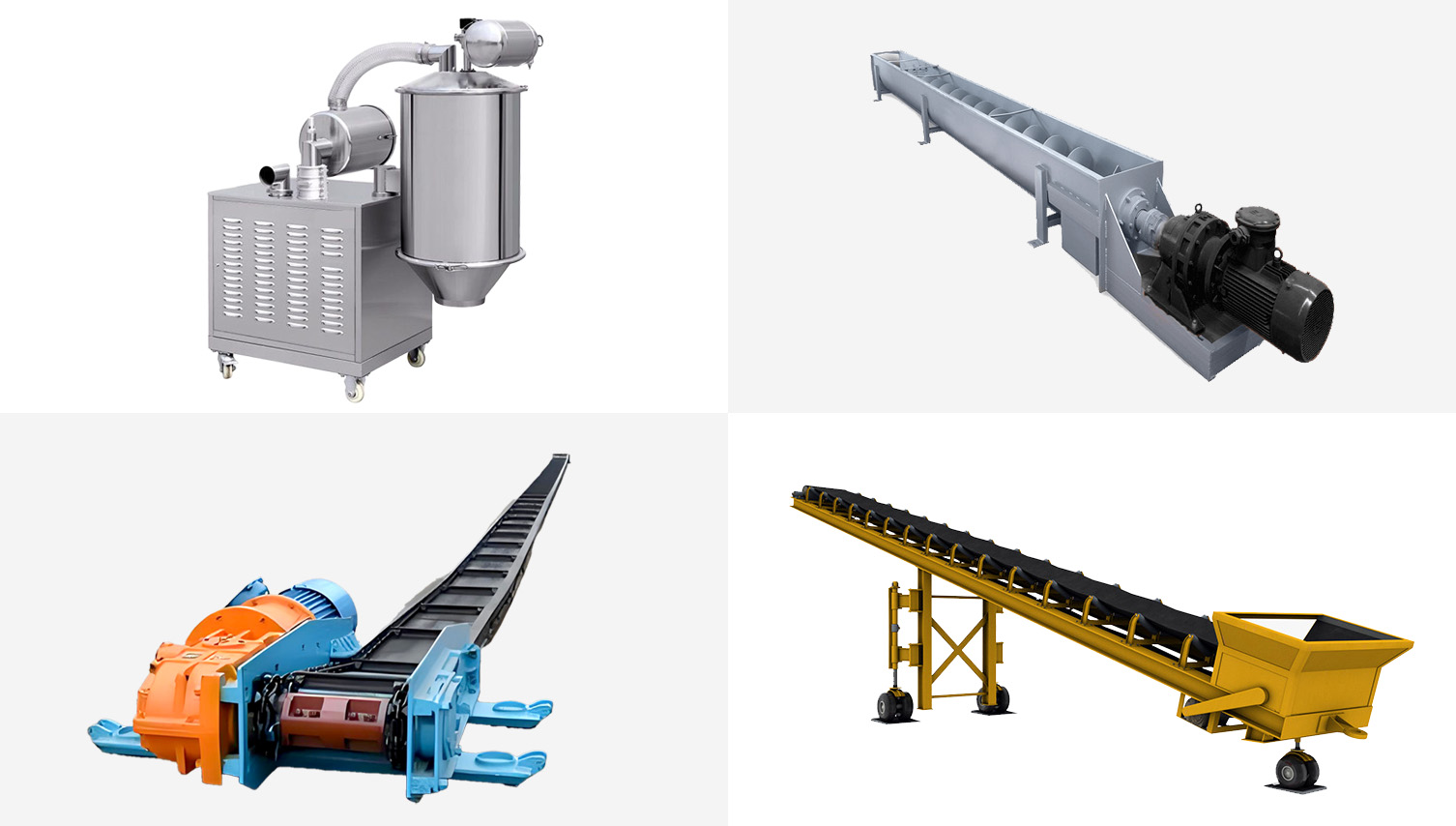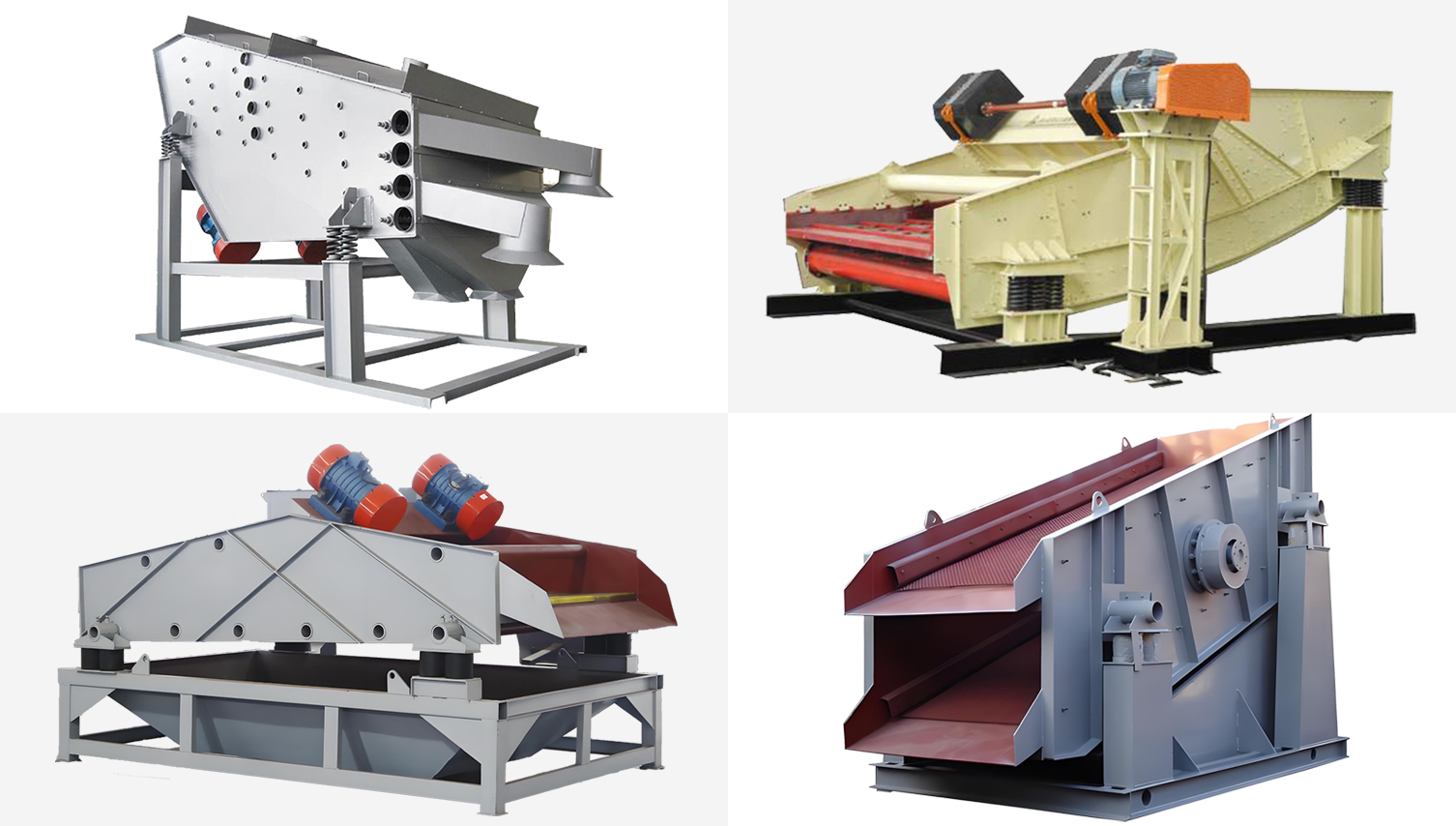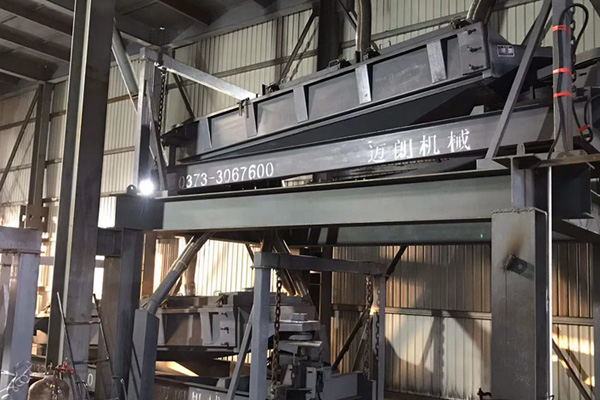
Even the finest equipment will fail if operated without proper upkeep. For the plane rotary sieve, maintenance is just as critical as its design and manufacturing. In fact, proper routine maintenance can greatly extend its service life and cut maintenance costs significantly.
Routine maintenance for the plane rotary sieve is not complicated, yet consistency is key.Daily inspections: Check the equipment’s exterior, listen for abnormal noise or vibration, and verify that foundation bolts are tight.Weekly and monthly inspections: Focus on screen conditions — look for tears or severe wear; check drive‑belt tension; and clean material buildup inside and outside the machine, especially around sealing components. These seemingly trivial tasks help catch minor issues early and contribute to long‑term operation free from major overhauls.
The motor and eccentric‑shaft bearings are the main wearing parts of the plane rotary sieve, and regular lubrication is essential for prolonging their service life. Do not fill more than two‑thirds of the bearing cavity with grease; over‑lubrication will cause motor overheating. For the vibrator at the feed end and drive‑plate bearings of the sieve machine, use No. 2 lithium‑based grease. Add 40‑50 mL once per week. After six months of drive‑unit operation, inspect grease quality. Clean and replace the grease promptly if it dries out or develops hard lumps. Lubrication costs are minimal, only dozens of yuan per year, yet this simple measure keeps core components functional for years.
With standardized operation and maintenance, annual major overhauls are not mandatory for the plane rotary sieve. Instead, thorough inspections should be performed according to actual wear conditions. A full disassembly and inspection includes replacing aged sealing strips, checking wear clearances of bearings and eccentric blocks, and conducting structural flaw detection for the sieve body when necessary. If routine maintenance is well‑executed, most of these tasks can be deferred for three years: bearing clearances remain normal, sealing strips stay intact, and no structural damage occurs to the sieve body, so major overhaul can be postponed. User feedback confirms that with proper daily care, extended equipment service life is achievable. “Three‑year operation without major overhaul” is not mere marketing hype, but a realistic outcome of standardized maintenance.
Starting and stopping under no‑load conditions is a basic requirement. Starting with material on the sieve causes motor overload and sieve‑body damage. Feeding must be continuous and uniform across the full width of the screen surface to prevent local material accumulation and overloading of partial screen sections. Check screen tension regularly; slack screens reduce screening efficiency and trigger abnormal wear. If abnormal noise occurs, immediately investigate possible causes: worn or poorly‑lubricated bearings, or loose fasteners. Resolve minor faults in time to prevent them from escalating into failures requiring major overhaul.
Long service life for the plane rotary sieve stems not from any single “black‑technology” feature, but from a combination of force‑balanced design, wear‑resistant component selection, and consistent day‑to‑day maintenance. Three‑year operation without major overhaul is less an innate advantage of the machine, and more the reward for careful attention to every detail.
Separate grains, intelligent screening
Mirant Xinxiang Machinery Co., Ltd.